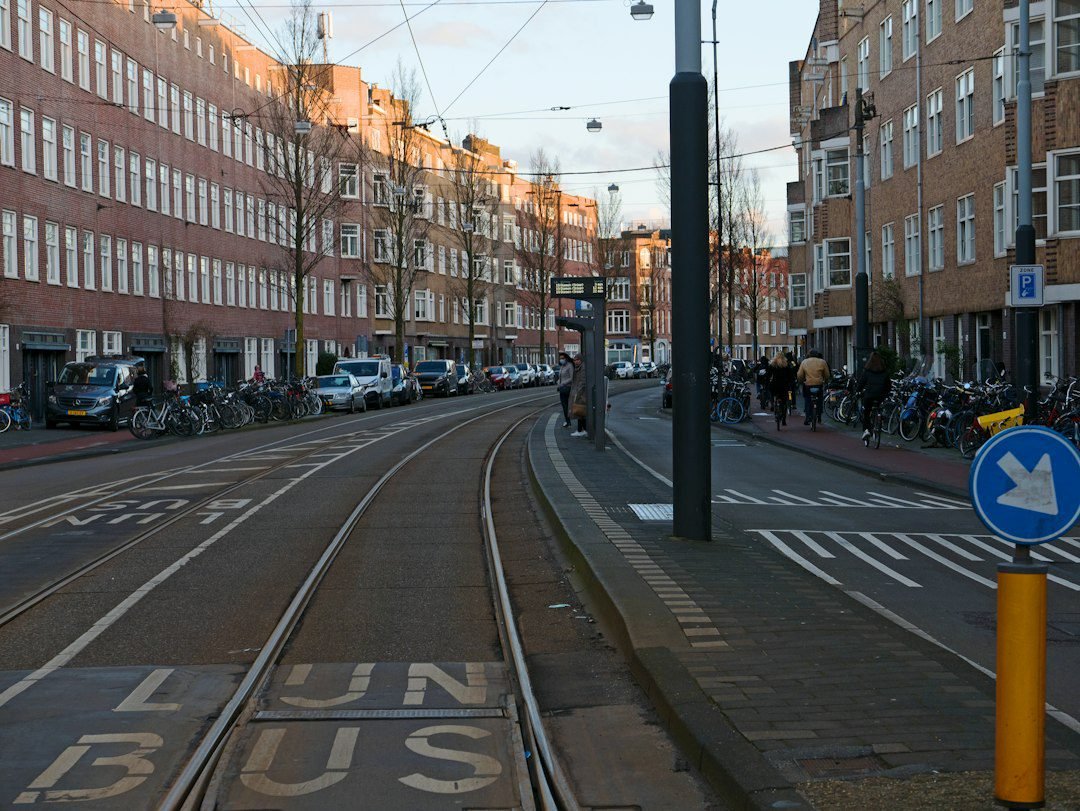
Editorial — A city’s transport system should be judged by a simple question: can people move around safely and with dignity? New roads may help traffic flow, but road construction alone does not answer the needs of pedestrians, public-transport passengers, cyclists or people with disabilities.
Design for the people who use streets
A street is more than a route for vehicles. It is where children walk to school, shopkeepers meet customers, workers reach bus stops and families cross between neighborhoods. Broken pavements, missing crossings and poor lighting can turn ordinary journeys into difficult ones.
Better planning starts with identifying these daily challenges. Safe crossings near schools, consistent footpaths, accessible ramps and visible bus stops are practical improvements. Their value is not always captured by how quickly cars travel through a junction.
Public transport needs reliability
Public transport becomes a genuine alternative when people can count on it. Predictable services, clear routes, reasonable fares and safe waiting areas matter as much as the vehicles themselves. When buses are unreliable or difficult to access, passengers may have little choice but to use more expensive or less convenient alternatives.
Investment decisions should therefore consider the full journey: getting to a stop, waiting, travelling, changing services and safely reaching the final destination.
Maintenance is public policy
Even well-designed infrastructure loses value without upkeep. A damaged pedestrian crossing, a blocked drain or a dark walkway can undo the benefits of an earlier project. Cities need visible systems for inspections, repairs and public reporting, with responsibility assigned to the agencies that can act.
Public consultation is also essential. Residents can explain where crossings are dangerous, where congestion affects local businesses and where services fail people who depend on them.
Make everyday safety the measure of progress
The most successful urban projects are not necessarily the largest. Sometimes an accessible sidewalk, a repaired streetlight or a reliable bus connection improves more daily lives than an impressive construction announcement. Cities should prioritize outcomes residents can experience, not only projects they can photograph.