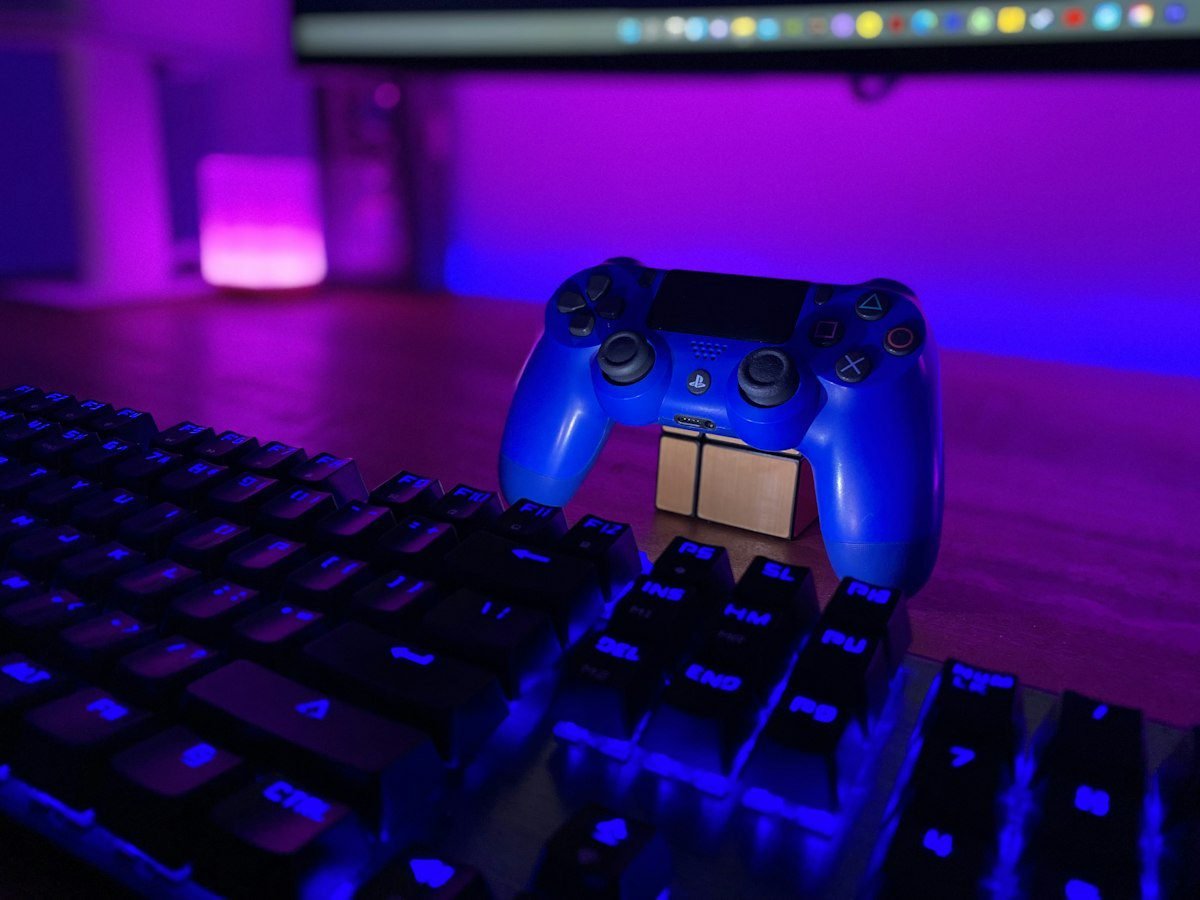
A game can look impressive and still feel difficult to use. Player experience often depends on details such as readable text, responsive controls and clear feedback when an action succeeds or fails. Understanding these design choices helps explain why some games feel welcoming while others create avoidable frustration.
Clarity matters more than decoration
Menus should communicate available options without overwhelming the screen. Tutorials work best when players can practice what they have learned. Sound and visual cues can reinforce an action, provided important information is not conveyed through only one channel.
Accessibility widens participation
Adjustable controls, readable subtitles and flexible difficulty options can make games more usable for different players. Designers benefit from testing with people who have varied experiences and abilities rather than assuming everyone interacts with a game in the same way.
Thoughtful game design pays attention to the moments between headline features, where players spend much of their time.