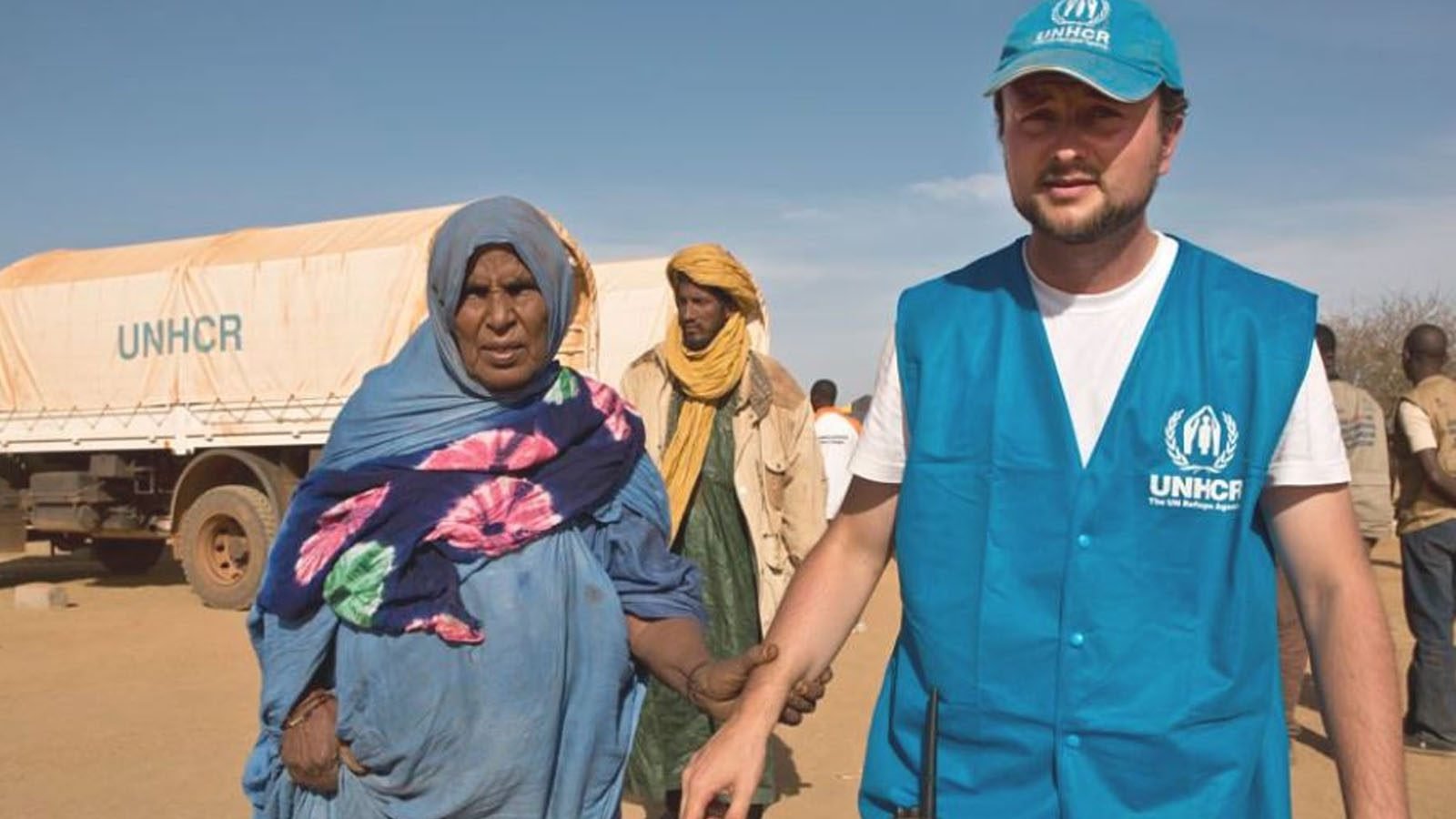
BRUSSELS: European Commission, Irish Presidency convene international conference as violence against humanitarian personnel reaches alarming levels
The European Union has warned of mounting dangers facing humanitarian workers worldwide after a record 1,187 aid workers were killed, injured, kidnapped or detained in 2025, as European officials convened an international conference to strengthen protections for personnel delivering life-saving assistance in conflict zones.
The European Commission and Ireland’s Presidency of the Council of the European Union are hosting the first International Conference on the Protection of Humanitarian Aid Workers on October 15 and 16, bringing together governments, humanitarian organisations, frontline responders and survivors of attacks.
The conference aims to strengthen practical safeguards for humanitarian personnel, reinforce international humanitarian law and address accountability for attacks against aid workers.
The EU has mobilised €3.5 million in funding for 2026 through its Protect Aid Workers initiative, which provides protection measures, post-incident assistance and legal support to humanitarian personnel exposed to threats and violence.
European Commissioner for Crisis Management Hadja Lahbib is scheduled to deliver a keynote address at the conference, highlighting the growing risks faced by those providing essential assistance to people caught in humanitarian crises.
“Travelling from crisis to crisis around the globe, I have met aid workers. I know what their everyday life looks like. They wake up each morning asking one question: how can I help?” Lahbib said.
“They risk their lives in some of the deadliest places to save others. I cannot think of a more noble calling,” she added, warning that even the skies above humanitarian workers were becoming increasingly dangerous, with drones killing personnel delivering essential supplies such as bread and vaccines.
“We owe them more than a minute of silence. That is why we are bringing together partners, mobilising resources, and fighting to end impunity. Their safety must be our top priority,” Lahbib said.
“Humanitarian workers are not the collateral damage of war. No one should pay with their life for trying to save someone else,” she added.
The conference will seek to build momentum behind Australia’s initiative on the protection of humanitarian personnel and the Global Initiative on International Humanitarian Law, while reaffirming the EU’s commitment to humanitarian diplomacy.
Participants are also expected to explore ways to strengthen practical protection measures, share existing initiatives and improve accountability for attacks against humanitarian personnel.
The gathering comes amid growing international concern over the dangers faced by aid workers operating in conflict zones and other emergencies, where personnel delivering food, medical supplies and other essential assistance can themselves become targets of violence.
Through the conference and its funding initiatives, the EU aims to strengthen international cooperation and build a broader coalition committed to protecting humanitarian personnel and ensuring they can deliver life-saving assistance without fear of attack.