BRUSSELS: The European Union has agreed to postpone key methane reporting requirements for oil, natural gas and coal imports by two years, giving energy suppliers and member states additional time to comply with the bloc’s emissions regulations amid concerns over global market volatility and energy security.
The Council of the European Union and the European Parliament reached a provisional agreement on targeted amendments to the EU Methane Regulation, delaying the application of specific monitoring, reporting and verification obligations for fossil fuel imports.
The agreement aims to ease compliance pressures on producers, importers, traders and national authorities while maintaining the EU’s broader commitment to reducing methane emissions and meeting its climate objectives.
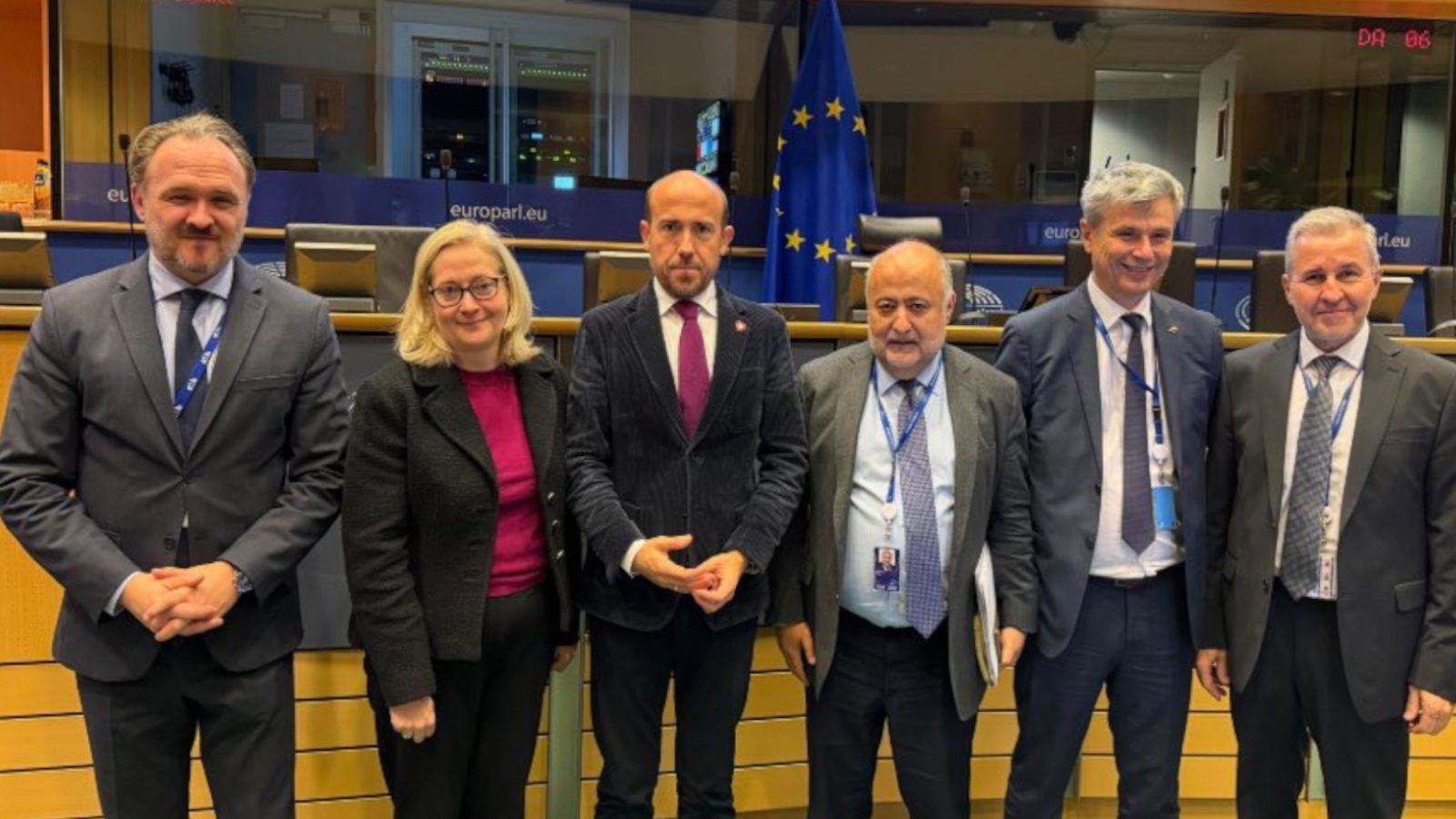
Ireland’s Minister for Climate, Energy and the Environment, Darragh O’Brien, welcomed the deal, describing it as a pragmatic compromise between addressing pressures in energy markets and maintaining Europe’s climate leadership.
“Tonight, we achieved a pragmatic balance on the methane regulation, addressing the pressures in the energy market while maintaining the EU’s leadership in reducing methane emissions,” O’Brien said.
He added that the agreement would support efforts to reduce harmful emissions while helping protect consumers from high energy prices.
Two-year delay for energy importers
Under the provisional agreement, monitoring, reporting and verification requirements for importers of natural gas, crude oil and coal will now apply from January 1, 2029, instead of the previously scheduled January 1, 2027.
Methane-intensity reporting requirements for both importers and EU-based producers will also be postponed until August 5, 2030, two years later than the original deadline of August 5, 2028.
The additional time is intended to allow countries, energy companies and other market participants to establish the systems and technical arrangements needed to meet the regulation’s requirements.
The decision follows conclusions adopted by EU leaders on October 15 and 16, 2026, which welcomed the European Commission’s proposal to postpone certain obligations. Leaders cited the impact of geopolitical developments on global supply chains, energy security and energy and fuel prices.
Brussels to review implementation
Despite the extended deadlines, the agreement retains the EU’s commitment to ensuring that methane emissions from fossil fuel production and imports are measured and reported accurately.
The European Commission will review the regulation’s implementation by January 1, 2028, with particular attention to the development of transparent and reliable measurement, reporting and verification requirements.
The review will also assess whether sufficient independent third-party verifiers are available to examine emissions reports and identify any potential consequences for the security of energy supplies.
The assessment is intended to ensure that the revised timetable does not undermine the regulation’s effectiveness or weaken the EU’s efforts to address methane emissions across the energy sector.
Balancing climate targets and energy security
Methane is a particularly powerful greenhouse gas, responsible for approximately 30 per cent of global warming. Reducing its emissions is considered an important part of international efforts to limit climate change.
The EU Methane Regulation was adopted in May 2024 and entered into force in August of the same year. It established a framework for measuring, reporting and verifying methane emissions across the energy sector, alongside transparency requirements affecting fossil fuel imports.
The latest agreement reflects the EU’s attempt to balance its climate commitments with the practical challenges facing international energy markets, particularly as geopolitical uncertainty continues to affect supply chains and energy costs.
Formal approval still required
The provisional agreement must now be endorsed by the Council and the European Parliament before the amendments can be formally adopted.
The institutions intend to complete the legislative process before the end of 2026, allowing the targeted changes to enter into force before the year’s conclusion.
The revised timetable will give energy suppliers additional preparation time while keeping methane emissions monitoring and reporting within the EU’s wider climate policy framework.