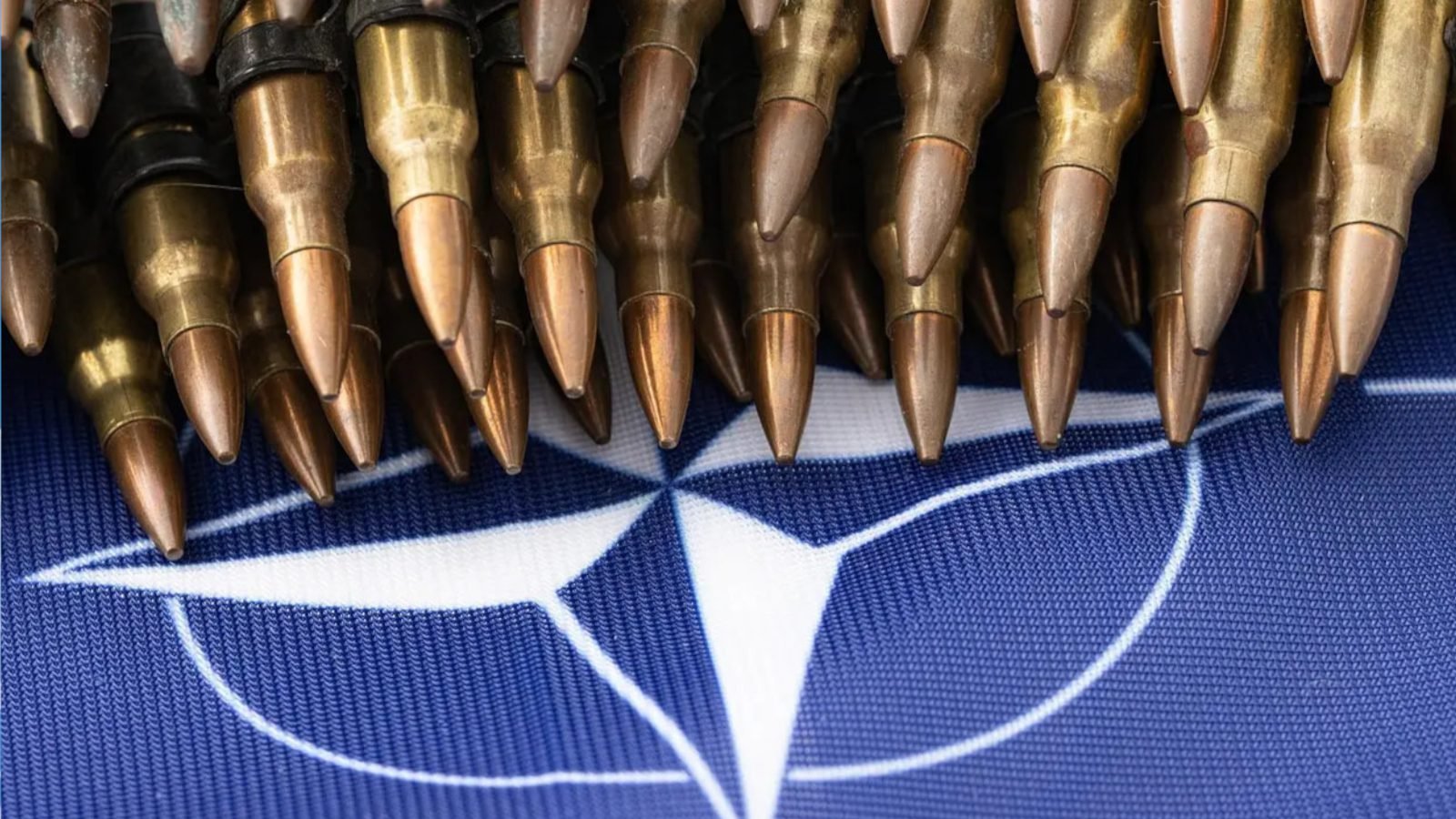
MOSCOW: Russia has accused NATO of preparing for a possible military confrontation with Moscow within the next three to five years, while insisting that it has no intention of attacking alliance member states and wants peaceful relations with its neighbours.
Russian Foreign Ministry spokeswoman Maria Zakharova made the allegations during a briefing on November 21, arguing that NATO’s expanding military capabilities, defence planning and development of long-range weapons indicated preparations for a potential conflict with Russia.
Zakharova questioned what Moscow described as a contradiction between NATO’s public statements that it does not seek confrontation and the alliance’s growing military readiness.
She also criticised NATO’s military planning and highlighted remarks by Supreme Allied Commander Europe General Alexus Grynkewich, who outlined the alliance’s approach to defending its territory against a potential attack.
According to Zakharova, the strategy could involve strikes against targets deep inside Russian territory. She also raised concerns about cooperation among defence manufacturers and the development of advanced long-range weapons.
The Russian spokeswoman maintained that Moscow did not intend to initiate a conflict with NATO countries, presenting Russia’s position as one of peaceful coexistence and opposition to further military escalation.
NATO strengthens its defence posture
NATO has significantly expanded its military preparedness in response to the changing European security environment, particularly following Russia’s full-scale invasion of Ukraine in February 2022.
The alliance says its measures are intended to strengthen deterrence and protect member states rather than prepare for an offensive against Russia.
According to NATO’s published defence policy, the alliance has increased multinational forces along its eastern flank, strengthened air and missile defence, expanded military exercises and developed more comprehensive regional defence plans.
At the 2025 NATO Summit in The Hague, member states also agreed to increase annual defence and security-related investment towards five per cent of gross domestic product by 2035.
NATO describes itself as a defensive alliance, with collective security under Article 5 of the North Atlantic Treaty at the centre of its military strategy.
NATO says no immediate attack is expected
NATO Secretary General Mark Rutte has previously stressed that the alliance does not see an imminent military threat against its territory.
During an October 14 press conference with Estonian Prime Minister Kristen Michal, Rutte said NATO had no indication of an immediate threat but remained prepared to respond if Russia attempted to attack an alliance member.
He reiterated that NATO would defend every part of allied territory and emphasised that the organisation was defensive rather than seeking to attack another country.
In a separate October statement, Rutte said Russia was testing European countries through airspace violations, sabotage, arson and other hostile activities, while insisting that NATO remained prepared to address such threats.
European officials raise longer-term security concerns
While NATO has denied expecting an imminent Russian attack, several European officials and security assessments have warned that Moscow could rebuild its military capabilities and pose a greater threat to alliance members in the coming years.
German officials have previously suggested that Russia could potentially be in a position to attack a NATO country by 2029, while other European security assessments have warned of increasing risks from hybrid operations, cyberattacks and sabotage.
However, such assessments describe potential future risks and military preparedness scenarios rather than establishing that a war between Russia and NATO is inevitable.
The opposing positions underline the growing security divide between Moscow and Western capitals, with NATO insisting that its military expansion is necessary for deterrence while Russia portrays the alliance’s growing capabilities as a threat to its security.
As the war in Ukraine continues to shape European defence policy, diplomatic efforts to reduce tensions and prevent a wider confrontation remain a major challenge for both sides.