Ireland’s worsening road safety record has prompted calls for sweeping reforms, including the appointment of an independent Road Safety Commissioner, a major increase in traffic policing and the introduction of a default 30km/h speed limit in built-up areas.
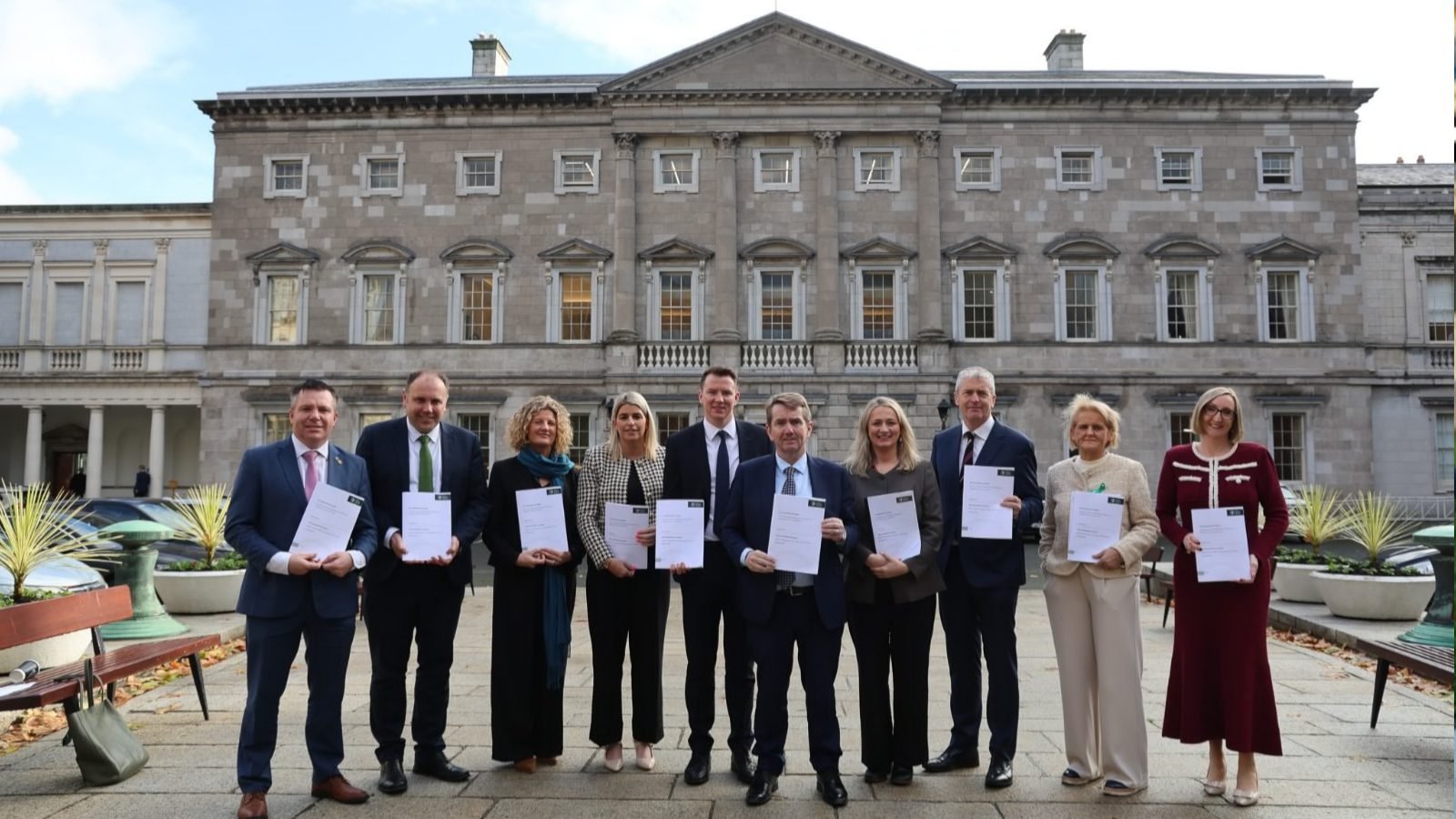
The Oireachtas Joint Committee on Transport has published a report containing 52 recommendations after highlighting a stark contrast between Ireland’s road fatalities and the wider European trend.
According to the report, road deaths in Ireland increased by 31 per cent between 2019 and 2025, while fatalities across the European Union fell by 15 per cent over the same period.
Ireland recorded 183 road deaths in 2025, compared with 140 in 2019. The report also warned that fatalities in 2026 had again exceeded the corresponding figures for the previous year. By November 19, 162 people had been killed on Irish roads this year.
Committee chairman Michael Murphy described the situation as a major public safety crisis, warning that behind every fatality were families and communities facing devastating consequences.
The report, titled Road Safety: The Urgent Need for Action, follows 12 public hearings involving road safety organisations, An Garda Síochána, government departments, experts and representatives of bereaved families.
Independent commissioner and stronger Garda presence
At the centre of the recommendations is the proposed establishment of an independent Road Safety Commissioner on a statutory basis.
The proposed office would coordinate road safety work across government departments, agencies and local authorities, monitor the implementation of policies and publicly report where progress falls short.
The committee also called for the strength of the Garda Roads Policing Unit to be restored to its 2009 level. The unit currently has approximately 660 members, compared with more than 1,000 in 2009.
It argued that reduced visible enforcement has weakened road safety efforts and called for a clear plan to increase staffing and improve the detection of traffic offences.
Another major recommendation is to reverse the decision not to introduce a default 30km/h speed limit in built-up areas, while allowing clearly justified exceptions.
The committee also called for faster deployment of safety cameras and improvements in the use of technology to detect speeding, red-light violations and mobile phone use while driving.
Tougher penalties and changes to driver training
The report proposes a range of additional measures targeting dangerous driving and repeat offenders.
Among them is a new graduated penalty-point system that would reflect the seriousness of individual driving offences.
The committee also recommended examining a specific offence for deliberately driving the wrong way on a motorway, potentially carrying significantly stronger custodial penalties.
Other proposals include considering an increase in the maximum prison sentence for dangerous driving causing death or serious bodily injury from 10 to 14 years.
It also called for driving disqualification periods to begin when offenders are released from prison rather than running concurrently with their custodial sentences.
The committee further recommended reviewing penalties for driving under the combined influence of alcohol and drugs, strengthening learner-driver training through motorway and rural-road experience, and considering supervised driving requirements for novice motorists.
Families and victims at the centre of reforms
The report places particular emphasis on the experiences of families affected by fatal road collisions, calling for better communication, support and access to information throughout investigations and legal proceedings.
During the report’s launch, bereaved mother Joanne McLaughlin described the devastation caused by the deaths of her daughter Natalie and granddaughter Ella in a collision in Donegal in July 2025.
The tragedy, in which Natalie McLaughlin, a 27-year-old nurse, and her six-year-old daughter were killed, illustrated the lasting impact of road deaths on families.
The committee’s recommendations are intended to strengthen accountability, improve enforcement and address weaknesses in the implementation of road safety policies.
The report now places pressure on the Government to consider how its 52 proposals can be translated into practical measures, as Ireland seeks to reverse the rise in fatalities and make progress towards its 2030 road safety targets.