Dublin: A stark new warning over violence against women has renewed calls for stronger protections, early intervention and greater accountability in Ireland, after figures revealed that 291 women have died in violent circumstances over the past three decades, including 13 so far in 2026.
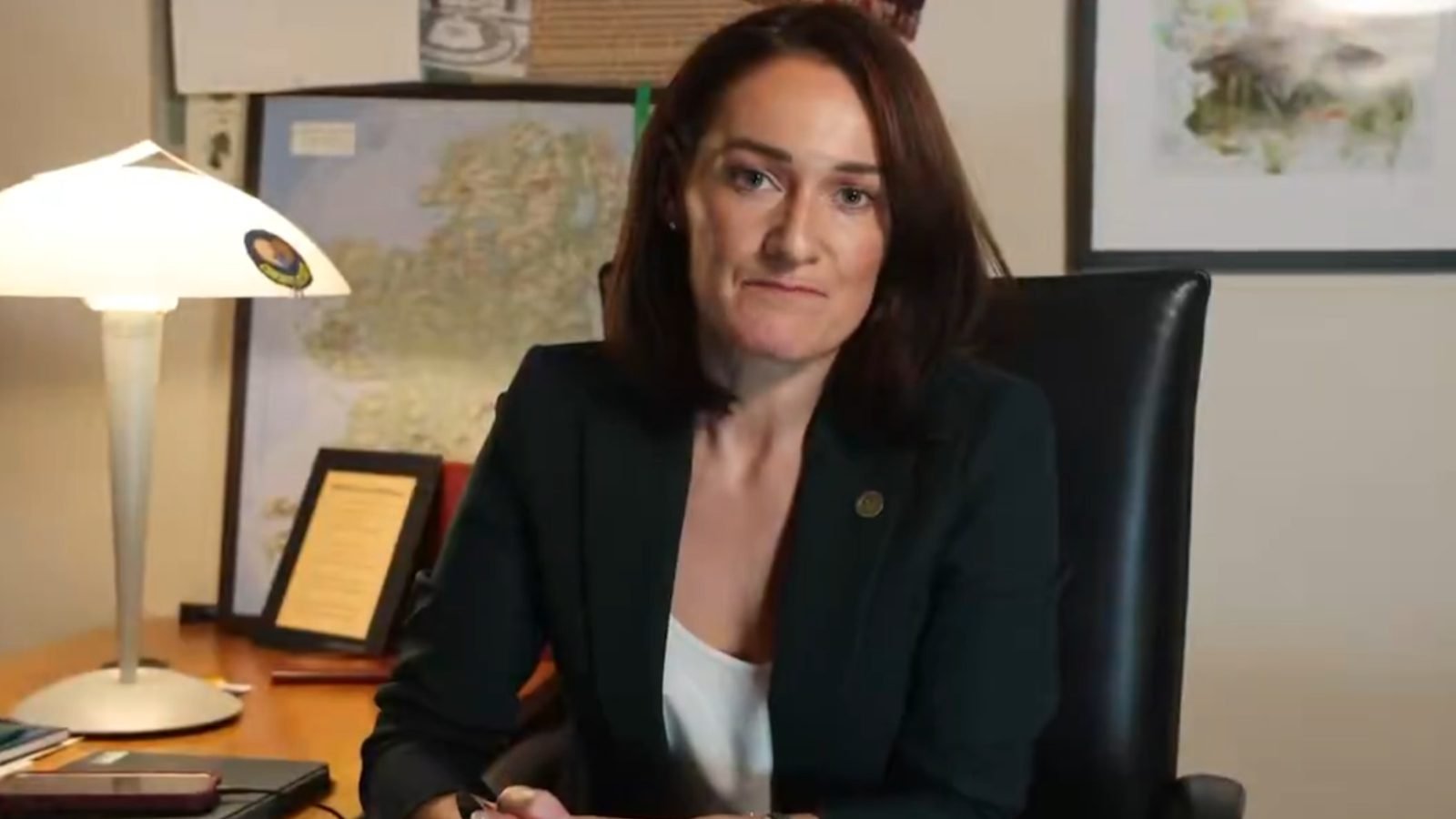
The figures were highlighted on the International Day for the Elimination of Violence against Women, November 25, as Fianna Fáil TD Erin McGreehan called for urgent action to identify warning signs of domestic abuse and prevent further deaths.
McGreehan drew attention to the recent appearance of Claire Lott before the Oireachtas Domestic Violence Committee. Lott, whose daughter Nadine was murdered by her former partner in County Wicklow in 2019, spoke about the warning signs of controlling and abusive behaviour that can go unnoticed until it is too late.
Her testimony highlighted the importance of recognising coercive control, jealousy, intimidation, excessive monitoring and other forms of psychological abuse as potential indicators of escalating violence.
Nadine Lott, 30, was murdered in her home in 2019 by her former partner, Daniel Murtagh, who was subsequently sentenced to life imprisonment. Her mother has since campaigned for greater awareness of unhealthy relationships and better education for young people about respect, boundaries and controlling behaviour.
“Every one of these deaths is preventable if we act,” McGreehan said, emphasising the need for society and public institutions to take domestic violence warnings seriously.
The latest findings from Women’s Aid’s Femicide Watch Report 1996–2026, which marks 30 years of documenting violent deaths of women in Ireland, underline the scale of the problem. The report found that violent deaths of women increased by 29 per cent between 2016–2020 and 2021–2025, reversing a two-decade decline.
The report also revealed several deeply concerning patterns:
-
89 per cent of women in resolved cases were killed by men they knew.
-
57 per cent were killed by a current or former partner.
-
68 per cent were killed in their own homes.
-
25 children were killed alongside a woman, while another 410 children lost their mothers to femicide.
-
In 32 cases, no one has been held accountable, while nine women remain missing and are believed to have been murdered.
McGreehan said Fianna Fáil is working with Minister for Justice Jim O’Callaghan to deliver a Domestic Homicide Review framework for Ireland. Such reviews are intended to examine the circumstances surrounding domestic violence-related deaths, identify missed opportunities for intervention and establish lessons that could help prevent similar tragedies.
The proposed review system forms part of wider efforts to improve cooperation between State agencies, specialist domestic violence services and other organisations responsible for protecting victims. Women’s Aid has also called for bereaved families and specialist support organisations to play a central role in these reviews.
Women’s Aid chief executive Sarah Benson has warned that intimate-partner femicide rarely happens without preceding indicators of danger. Separation, coercive control, threats to kill, stalking and non-fatal strangulation are among the recognised warning signs that require serious attention.
The organisation is urging the Government to strengthen risk assessment procedures, improve data collection and ensure that lessons from domestic violence-related deaths lead to meaningful changes in policy and practice.
The International Day for the Elimination of Violence against Women serves as a reminder that preventing gender-based violence requires sustained political commitment, effective public services and a society willing to recognise and challenge abusive behaviour.