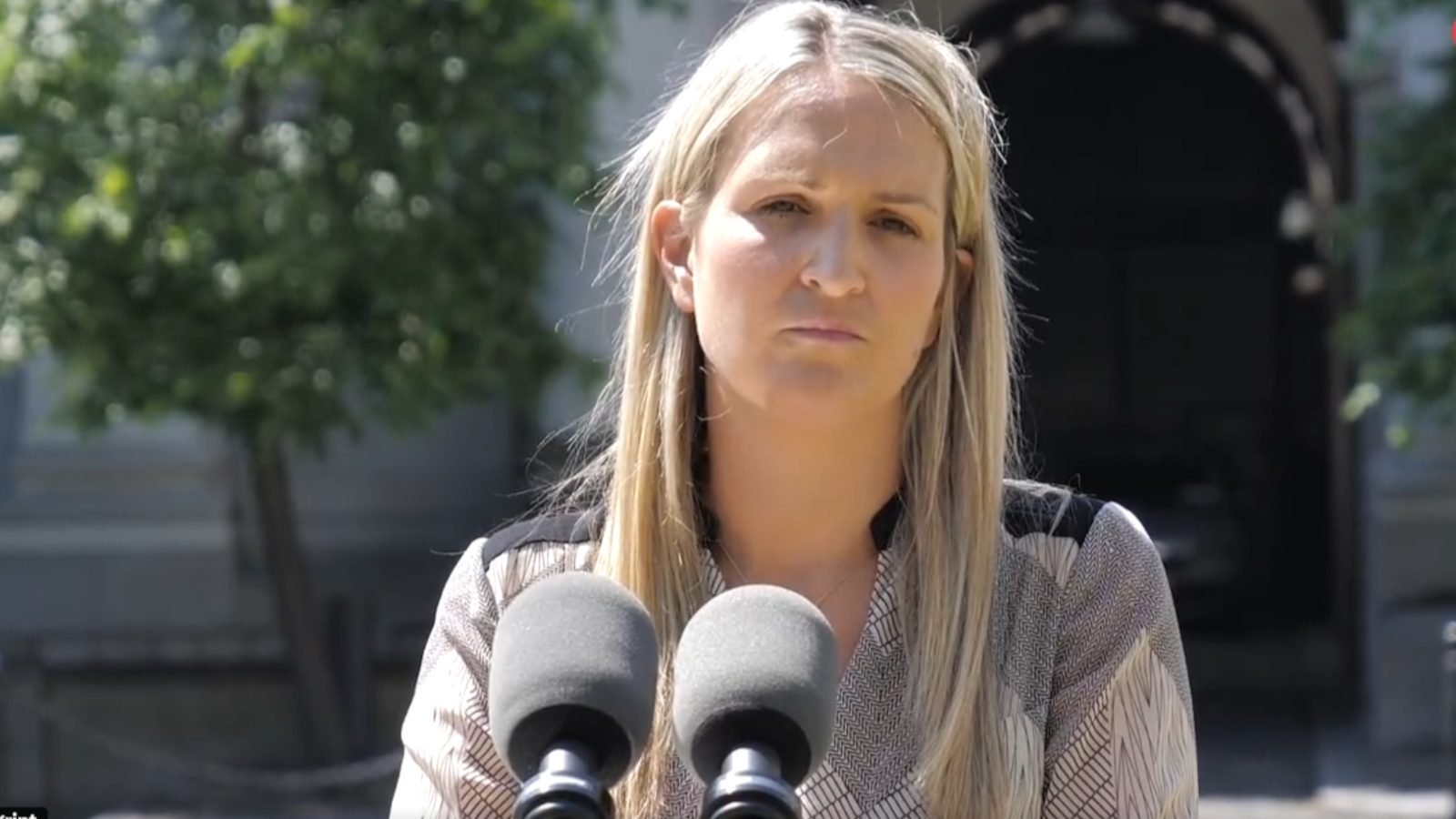
Dublin: Ireland has reaffirmed its commitment to eliminating gender-based violence, with former Minister for Justice Helen McEntee highlighting the importance of supporting survivors, strengthening protections and challenging abusive behaviour as the global 16 Days of Activism Against Gender-Based Violence campaign gets underway.
Marking the beginning of the annual campaign on November 25, McEntee stressed that there can be no justification for violence against women and girls, using the message #NoExcuse to call for greater awareness and collective action.
The campaign runs from November 25, the International Day for the Elimination of Violence against Women, until December 10, Human Rights Day. It aims to mobilise governments, organisations, communities and individuals to prevent violence, protect survivors and promote gender equality.
McEntee said Ireland’s commitment to ending gender-based violence extends beyond its national borders, with efforts focused on addressing the issue both domestically and through international cooperation.
Gender-based violence takes several forms, including domestic abuse, sexual violence, coercive control, harassment, human trafficking and online abuse. Technology-facilitated violence, including cyberstalking, online threats and the non-consensual distribution of intimate images, has also emerged as a growing concern requiring stronger safeguards.
According to the United Nations, approximately 840 million women worldwide have experienced physical or sexual violence during their lifetime, highlighting the scale of the challenge facing governments and communities.
Ireland has introduced a number of measures to strengthen its response to domestic, sexual and gender-based violence. A major development was the establishment of Cuan, the statutory Domestic, Sexual and Gender-Based Violence Agency, in 2024.
The agency coordinates the implementation of the Government’s zero-tolerance strategy, supports specialist services, promotes prevention programmes and works to improve access to safe accommodation for survivors. Its programme includes a commitment to double refuge accommodation to 280 units nationwide by the end of 2026.
The Government’s wider approach also emphasises education, early intervention, improved access to support services and stronger cooperation between public authorities and organisations working with survivors.
The 16 Days of Activism campaign provides an opportunity to highlight the experiences of survivors and recognise the work of organisations supporting women and girls affected by violence.
The message is clear: ending gender-based violence requires sustained action throughout the year, not simply awareness during an annual campaign. Governments, institutions and communities must work together to challenge harmful attitudes, ensure accountability and create safer environments for everyone.