Minister for Justice, Home Affairs and Migration Jim O’Callaghan officially launched the Electronic Monitoring Pilot Project on November 25, introducing electronic ankle tags as an additional tool for monitoring selected offenders in the community.
The initiative will initially involve between 30 and 50 electronic monitoring devices, with the capacity to monitor approximately 90 to 150 individuals over the 12-month period.
The first phase will focus on suitable prisoners granted temporary release, with the programme expected to expand to certain individuals on bail in a designated pilot area early next year.
The electronic devices will use a combination of Radio Frequency (RF) and Global Positioning System (GPS) technology to monitor compliance with specific conditions, including curfews, approved residential addresses and restrictions on entering designated locations.
The system will also generate alerts if an individual breaches imposed conditions or attempts to interfere with the monitoring equipment, allowing relevant authorities to respond.
According to the Department of Justice, the initiative is intended to modernise Ireland’s criminal justice system by introducing technology-assisted supervision while providing suitable alternatives to custody in carefully assessed cases.
Prison overcrowding remains a major concern
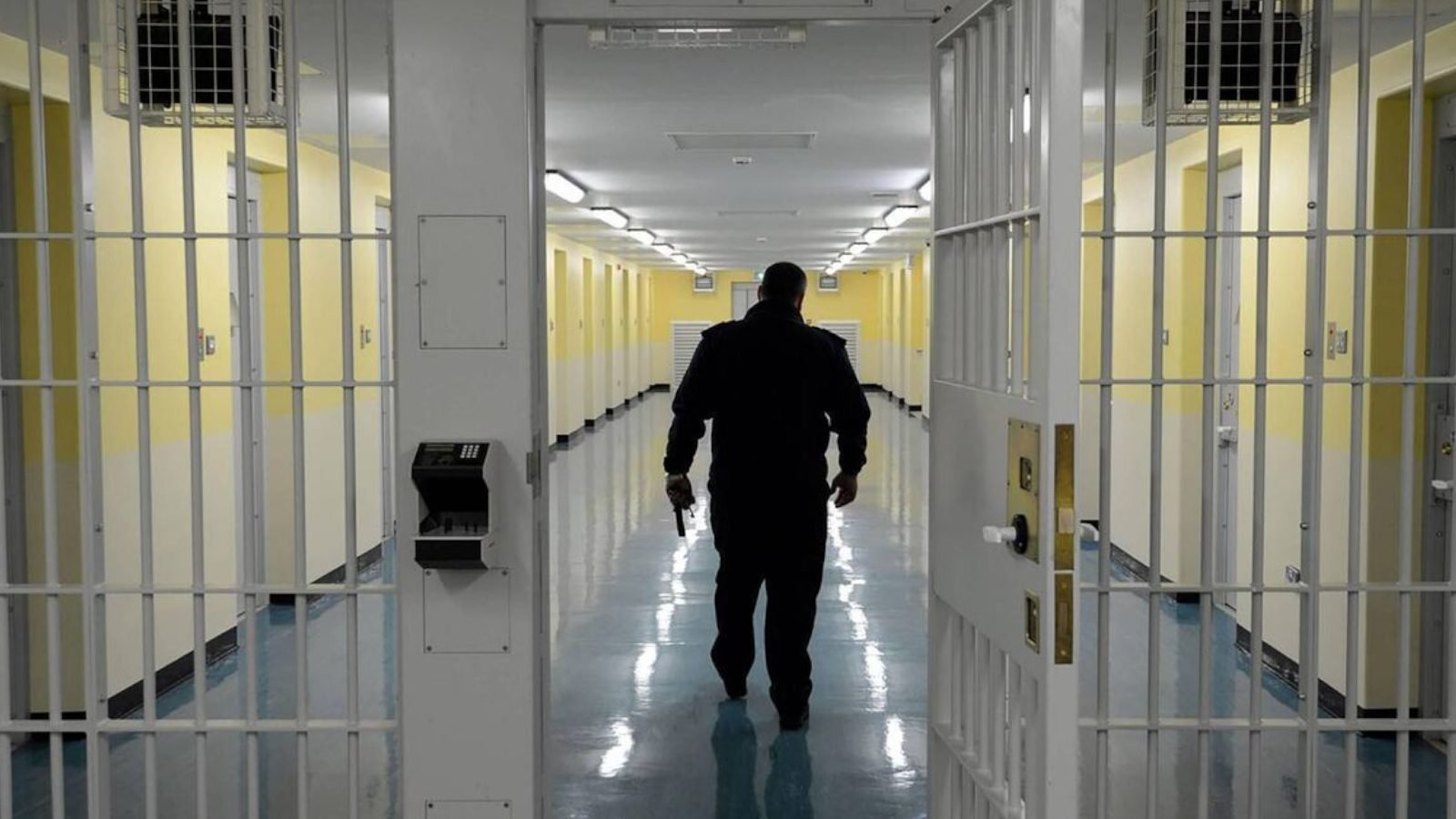
The launch comes amid mounting pressure on Ireland’s prison system, which has been operating significantly above its available capacity.
Recent figures indicate that the prison population has exceeded available accommodation by approximately 700 inmates, with around 225 prisoners sleeping on mattresses. Overall occupancy has reached approximately 116 per cent of capacity.
The Government hopes electronic monitoring could help manage suitable offenders outside prison while maintaining oversight and compliance with court-imposed conditions.
However, O’Callaghan stressed that electronic tagging would not replace custodial sentences or existing supervision arrangements. Decisions on eligibility will take account of the nature and seriousness of offences, individual risk assessments and the behaviour of prisoners.
Sex offenders and individuals considered unsuitable for community monitoring will not be included in the relevant temporary-release arrangements.
€2.1 million allocated for the initiative
The pilot has received €2.1 million in funding under Budget 2026, with an additional €1.5 million earmarked for 2027 to support its continued operation.
The electronic monitoring service will be operated by Allied Universal Electronic Monitoring, which was selected following a public procurement process.
A dedicated Electronic Monitoring Unit has also been established within the Department of Justice to oversee the programme and coordinate its implementation with An Garda Síochána, the Irish Prison Service, the Probation Service and the courts.
O’Callaghan said the initiative represented an important step towards modernising penal policy and introducing practical measures to improve offender management.
The Government believes the pilot will help assess the effectiveness of electronic monitoring before considering any wider expansion across the criminal justice system.