

European countries must develop a unified position on future security arrangements as US President Donald Trump advances efforts to negotiate an end to Russia’s war against Ukraine, Finnish foreign policy analyst Joel Linnainmäki has warned.
In an analysis shared on social media, Linnainmäki, a former special adviser to Finland’s foreign minister and research fellow at the Finnish Institute of International Affairs, said European governments remained concerned that Washington could compromise their long-term security interests in pursuit of a quick agreement with Moscow.
He stressed that Ukraine and European countries wanted the war to end but argued that the terms of any peace agreement would be crucial to preventing further Russian aggression.
Linnainmäki said the central challenge was ensuring that Russian President Vladimir Putin could not launch another war after a settlement was reached.
Assessing recent proposals presented by US officials Jared Kushner and Steve Witkoff, he said their messaging appeared designed to address several European security concerns.
Kushner reportedly emphasised that Washington was engaging with the European Union, NATO, Ukraine and key European countries, while also welcoming proposals from its partners on how to advance peace negotiations.
Trump Pushes New European Security Framework as US Prepares Ukraine-Russia Peace Talks
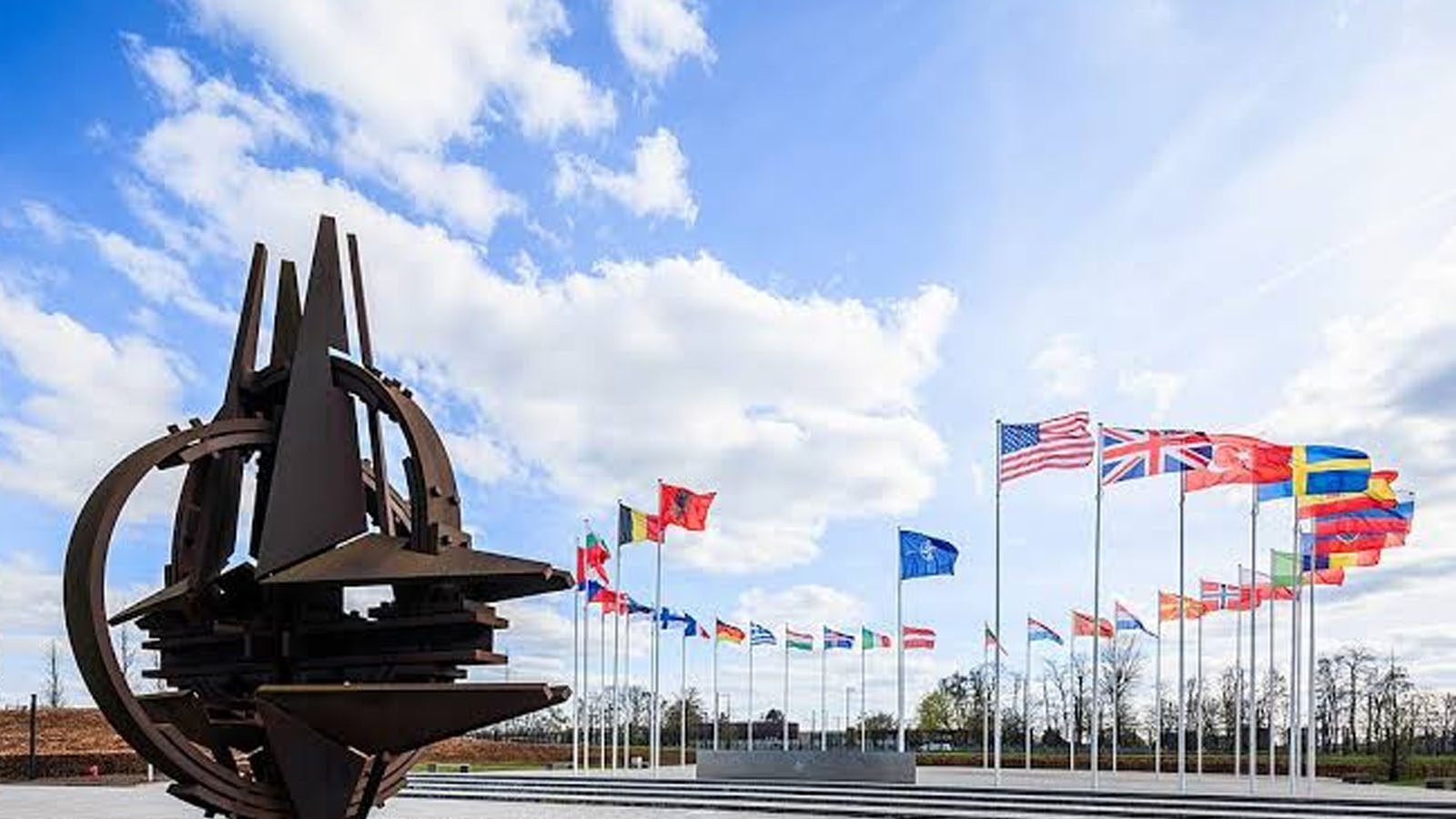
According to Linnainmäki, the proposed framework included assurances that any agreement would respect the sovereignty and independence of all countries, prevent Russia from exercising a veto over other nations’ alliance choices and preserve NATO’s central role in European collective defence.
He described these assurances as particularly important for European security, noting that they suggested Washington was not necessarily accepting Russian ambitions to weaken NATO or replace existing security arrangements with structures that could give Moscow greater influence over individual European countries.
Kushner’s proposals reportedly outlined five key objectives: permanent security consultations, reliable crisis communication channels, greater military transparency, reciprocal measures to reduce escalation risks and a long-term framework for European security and stability.
Linnainmäki said European governments could support continued dialogue and crisis communication with Russia, provided such arrangements did not allow Moscow to dictate European security or defence policies.
He also expressed cautious support for greater military transparency, arguing that any arrangements would need to be reciprocal, verifiable and protected against potential exploitation by Russia.
However, he warned that proposals involving reciprocal military measures could create serious security risks if they disproportionately benefited Moscow.
For example, withdrawing military forces from areas near the NATO-Russia border could leave smaller NATO member states more vulnerable to Russian pressure and reduce the ability of allies to respond quickly to potential threats.
He argued that such measures could also weaken NATO’s deterrence strategy if Russia were able to concentrate forces elsewhere while European frontline states reduced their military presence.
The analyst identified the proposed long-term European security framework as the most uncertain aspect of the discussions, arguing that Washington had yet to clarify what such an arrangement would involve.
He pointed to previous attempts to establish security cooperation between Russia and Western countries, including the Organisation for Security and Co-operation in Europe (OSCE), NATO-Russia cooperation, the Minsk agreements and US-Russia diplomatic resets, saying these initiatives had failed to prevent Russian aggression.
Linnainmäki warned that Moscow had long sought a European security structure that would give Russia a dominant position within what it considers its sphere of influence.
He also noted that Putin continued to demand the withdrawal of NATO forces from frontline states and maintained that the war’s underlying causes had to be addressed before a settlement could be reached.
The analyst questioned how a new European security framework could accommodate Russian demands without compromising the sovereignty, independence and security of Ukraine and other European countries.
He said the details of the US proposal remained unclear but argued that European governments needed to urgently develop a common position on the negotiations and the continent’s post-war security arrangements.
Referring to Italian Prime Minister Giorgia Meloni’s concerns about Europe’s political fragmentation, Linnainmäki agreed that European countries needed greater unity if they wanted meaningful influence over negotiations concerning their own security.
He concluded that European governments would struggle to demand a seat at the negotiating table if they could not agree on what they collectively wanted from a future peace agreement and the European security order.










Comments 1