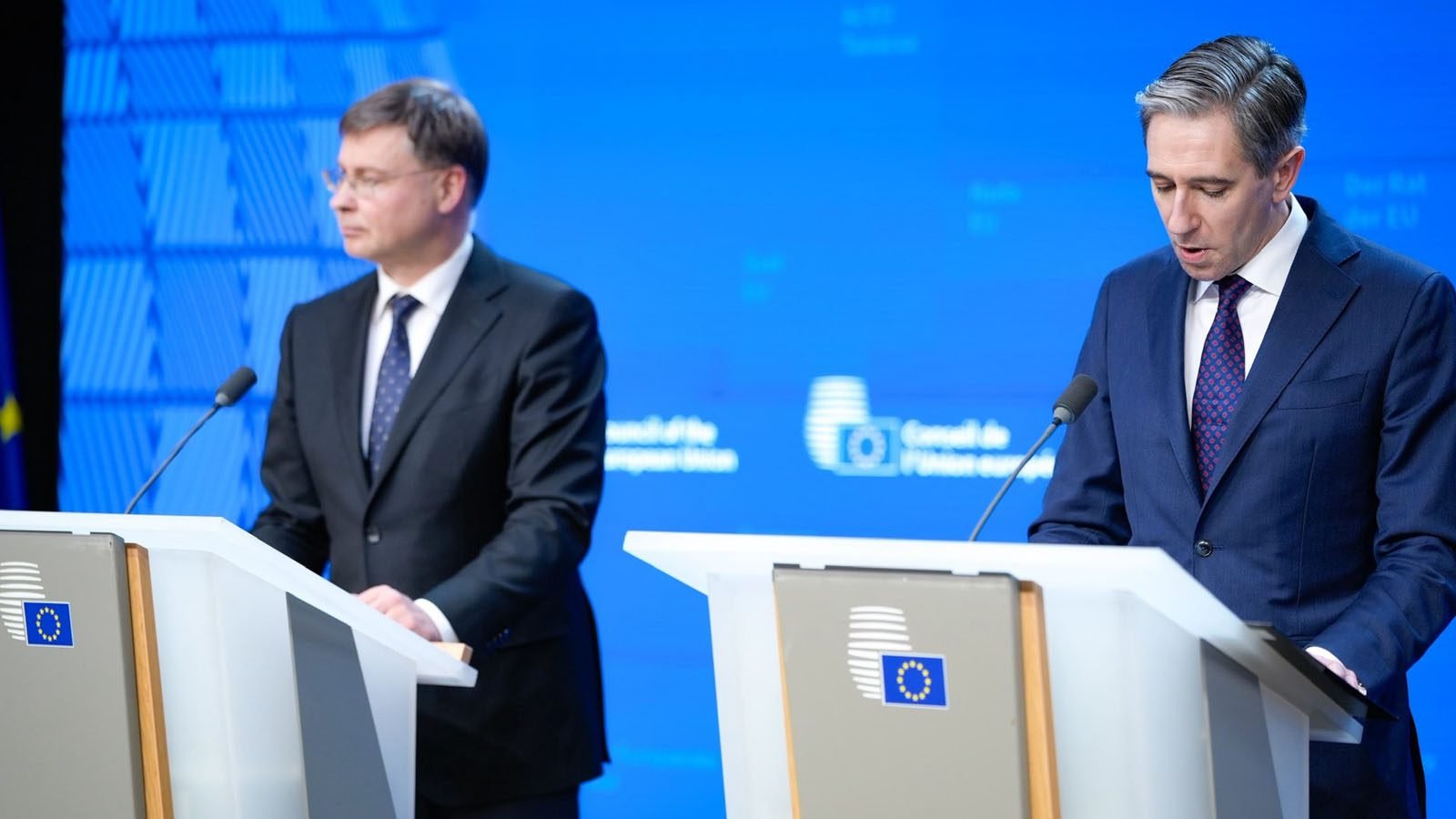
Brussels: European Union finance ministers have failed to reach a final agreement on a proposed overhaul of the bloc’s tobacco taxation rules, despite what Ireland’s Finance Minister Simon Harris described as substantial progress during discussions chaired under Ireland’s EU Council Presidency.
The proposed revision aims to modernise the EU’s tobacco tax framework, which has remained largely unchanged since 2011, and extend harmonised minimum excise duties to newer products, including e-cigarette liquids, nicotine pouches and heated tobacco.
Harris, who also serves as Tánaiste, said the presidency had presented a balanced compromise intended to protect public health and strengthen the functioning of the EU single market.
However, one member state said it could not support the proposed text, preventing ministers from reaching unanimous agreement.
Harris said Ireland would continue working with the member state concerned to find a solution, adding that the presidency did not intend to reopen the negotiations but remained committed to the public health objectives of the proposed reform.
Most member states supported the compromise, highlighting its potential to improve public health protections and create greater consistency in tobacco taxation across the bloc.
In other business, EU finance ministers approved Italy’s use of the national escape clause under the bloc’s fiscal rules, allowing additional flexibility for spending on defence and energy security.
The four-year arrangement provides flexibility of up to 1.5 per cent of gross domestic product, subject to specified limits. The decision follows the extension of the clause to cover energy security measures amid the impact of the conflict in Iran on energy prices.
Ministers also agreed on further measures to improve VAT collection on online sales into the EU. The changes will align VAT rules more closely with recent customs reforms, helping authorities collect taxes more effectively and improve compliance among suppliers.
Harris welcomed the agreement, describing it as the final building block in the wider overhaul of the EU customs framework. He said the measures would make procedures simpler for suppliers and customs authorities while helping governments collect revenue needed to fund public services.
The Council also reviewed the implementation of the EU’s Recovery and Resilience Facility, under which approximately €457.5 billion has been disbursed to member states. The facility supports investment and reforms aimed at strengthening the bloc’s economic resilience.
Ministers further discussed the economic and financial impact of Russia’s war against Ukraine and approved conclusions on EU statistical priorities.
The Council also formally approved its negotiating position on the Market Integration and Supervision Package, which aims to strengthen EU capital markets. The position will allow negotiations with the European Parliament to move forward.
The discussions took place as Ireland continues to lead the Council’s work during its six-month EU Presidency.