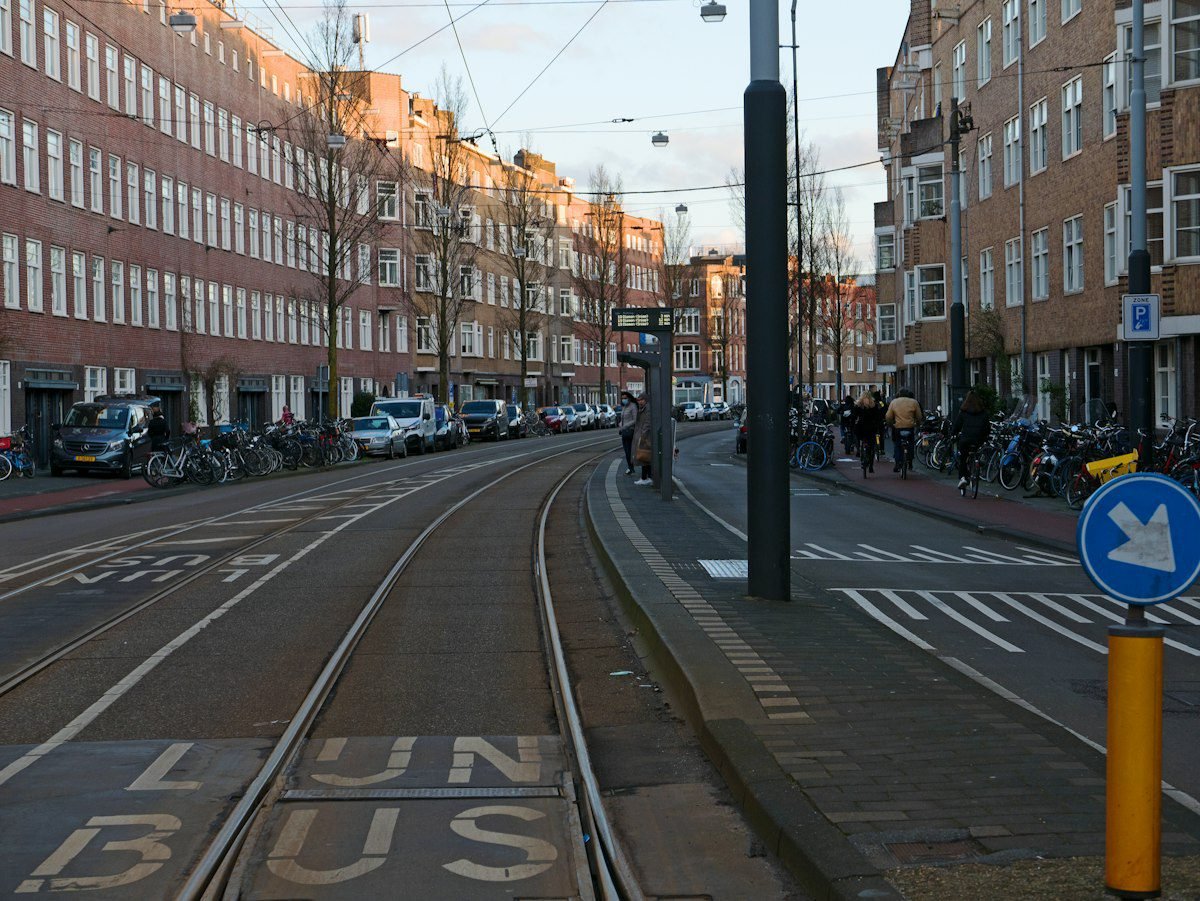
A useful public transport system depends on more than the number of buses or trains. People must be able to reach stops safely, understand routes and rely on services at the times they need them. Those details influence whether shared transport is a realistic option.
Think about the complete journey
The trip starts at a doorstep and ends at a destination, not at the vehicle. Sidewalks, crossings, waiting areas and accessible entrances can determine whether a journey works for a parent, older passenger or person with a disability.
Measure reliability, not only construction
New infrastructure is meaningful when services are maintained and passengers can depend on them. Clear information about frequency, disruptions and connections helps people plan. Cities should compare travel outcomes rather than judging progress by announcements alone.
Accessible transport can support opportunity and improve urban life when it is planned with the everyday passenger in mind.