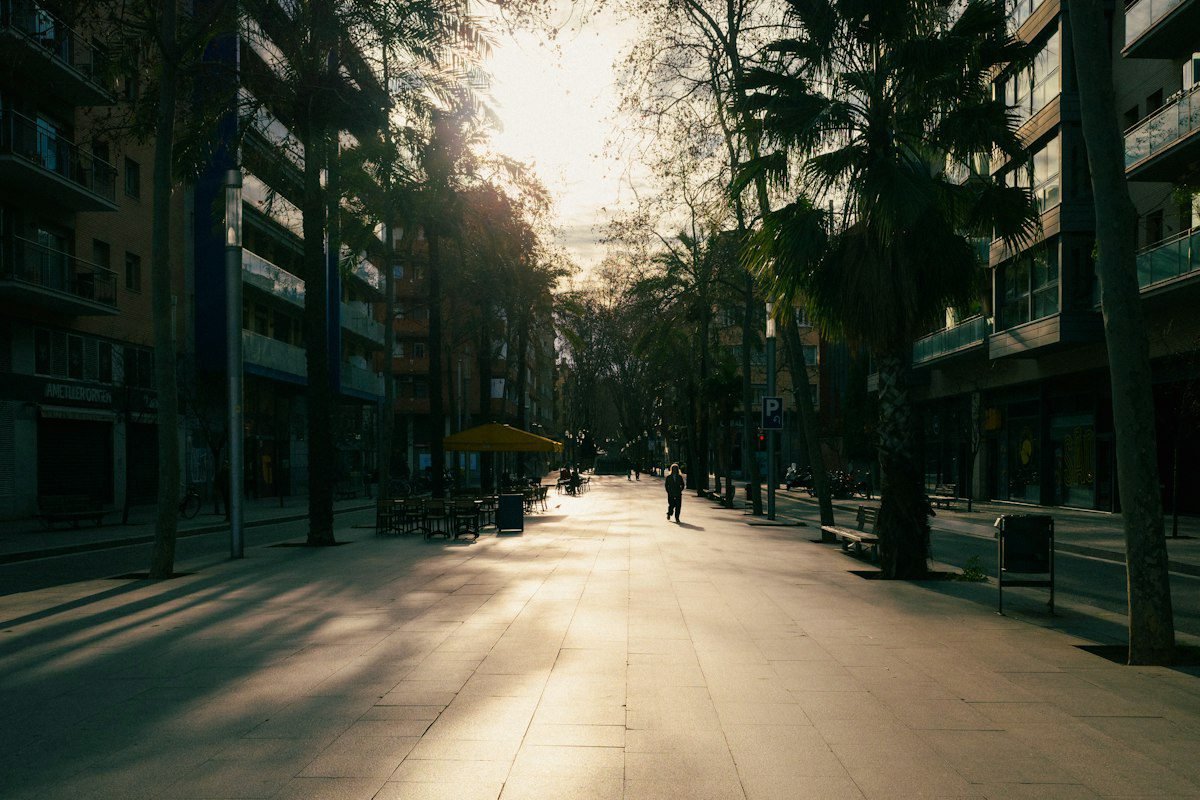
Hot weather affects a city differently from one neighborhood to another. People travelling long distances, working outdoors or living in buildings with limited ventilation may face particular difficulties. Preparedness begins with accessible information and practical choices rather than alarmist headlines.
Make useful information easy to find
Local forecasts and public-health guidance should be understandable, timely and available through more than one channel. Public offices, employers and community groups can help people find drinking water, shaded routes and cooler spaces. Advice is most effective when residents know what services are available nearby.
Build preparedness into everyday planning
Trees, maintained footpaths, reliable electricity and public spaces can all influence how people experience high temperatures. Authorities should listen to residents about dangerous crossings, long waits and areas with little shade. Individual precautions matter, but community infrastructure can make safe choices possible for more people.
The goal of a heat plan is not simply to publish alerts. It is to make ordinary journeys, workplaces and homes safer when temperatures rise.