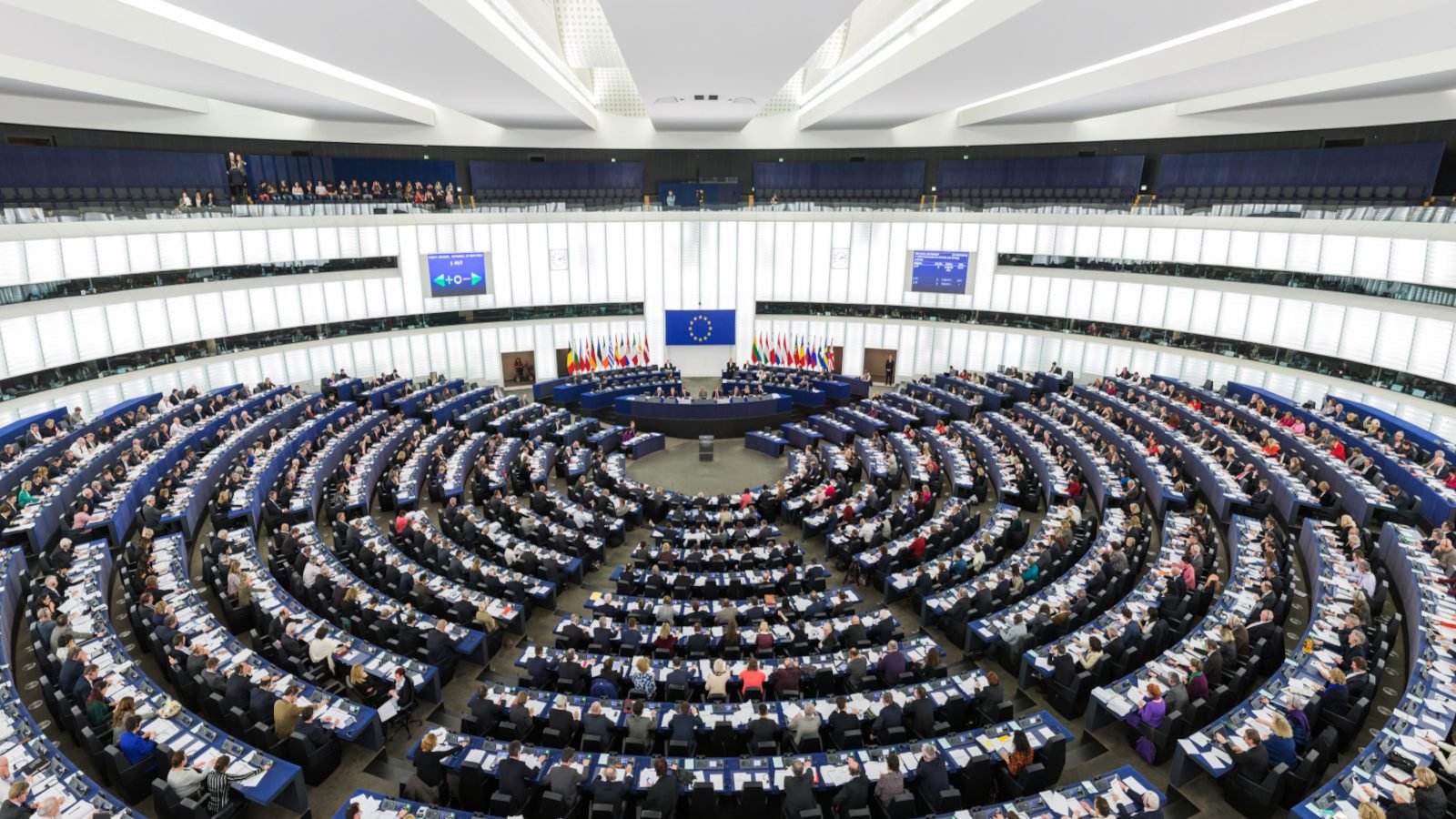
BRUSSELS: The European Parliament has called for at least €2.5 billion in dedicated funding for cancer-related initiatives, alongside stricter prevention policies and more equal access to screening, diagnosis and treatment across the European Union.
In a resolution adopted on Thursday, MEPs assessed progress under the EU’s Beating Cancer Plan and urged the European Commission and member states to strengthen efforts to prevent the disease and improve care for patients.
The resolution was approved by 447 votes in favour, 66 against and 91 abstentions.
MEPs called for the next long-term EU budget to allocate at least €10.05 billion to health, with €2.5 billion specifically reserved for cancer-related measures.
Prevention was identified as one of the most cost-effective long-term approaches to reducing the impact of cancer.
Concerned about smoking rates across Europe and the growing popularity of alternative nicotine products, MEPs called for an urgent update of EU tobacco legislation to cover electronic cigarettes, heated tobacco products and nicotine pouches.
Proposed measures include plain packaging requirements, restrictions on flavours that appeal to young consumers, mandatory reporting of product ingredients and a ban on online sales of nicotine products to minors.
Lawmakers also called for higher minimum excise duties on tobacco and nicotine products.
On alcohol consumption, MEPs urged stronger measures to address harmful drinking, including mandatory and clearly visible health information on alcoholic beverages.
They also called for a revised EU alcohol strategy featuring awareness campaigns targeting young people and restrictions on alcohol advertising and sponsorship in settings where minors could be exposed.
The resolution also identifies nutrition as an important component of cancer prevention.
MEPs want the introduction of a mandatory, harmonised front-of-pack nutritional labelling system across the EU, based on scientific evidence.
They have also called on the European Commission to develop a clear policy approach to ultra-processed foods, including establishing a science-based definition of the products.
The Parliament expressed concern over continuing differences in cancer screening, diagnosis and treatment between EU member states and regions.
MEPs called for more equal access to healthcare services, identifying breast, cervical and prostate cancer as priorities for screening programmes.
They also highlighted the potential of artificial intelligence in improving cancer detection, urging member states to incorporate clinically validated AI-supported systems into national screening programmes.
To improve access to cancer medicines, lawmakers suggested greater use of voluntary joint procurement arrangements between EU countries.
Beyond diagnosis and treatment, the resolution calls for stronger measures to improve the quality of life of people living with cancer and those who have recovered.
MEPs want better access to rehabilitation, psychological and social support, as well as initiatives to help cancer survivors return to employment.
They also stressed the need for full implementation of the EU’s ‘Right to Be Forgotten’ rules, which aim to prevent people with a history of cancer from facing discrimination when accessing financial services such as insurance.
For children affected by cancer, the Parliament called for improved access to cross-border healthcare, innovative treatments and clinical trials.
Cancer remains a major health challenge
Presenting the resolution, rapporteur Vlad Voiculescu, a Romanian MEP from the Renew Europe group, said the EU must turn its commitments under the Beating Cancer Plan into stronger action.
He argued that greater emphasis should be placed on preventing cancers wherever possible rather than relying predominantly on treatment after diagnosis.
Cancer remains the second-most common cause of death in the European Union. According to the European Commission’s Joint Research Centre, approximately one in two EU citizens is expected to be diagnosed with cancer during their lifetime.
The resolution places renewed pressure on EU institutions and national governments to strengthen prevention, reduce inequalities in healthcare and ensure that patients across Europe can access timely and effective cancer treatment.