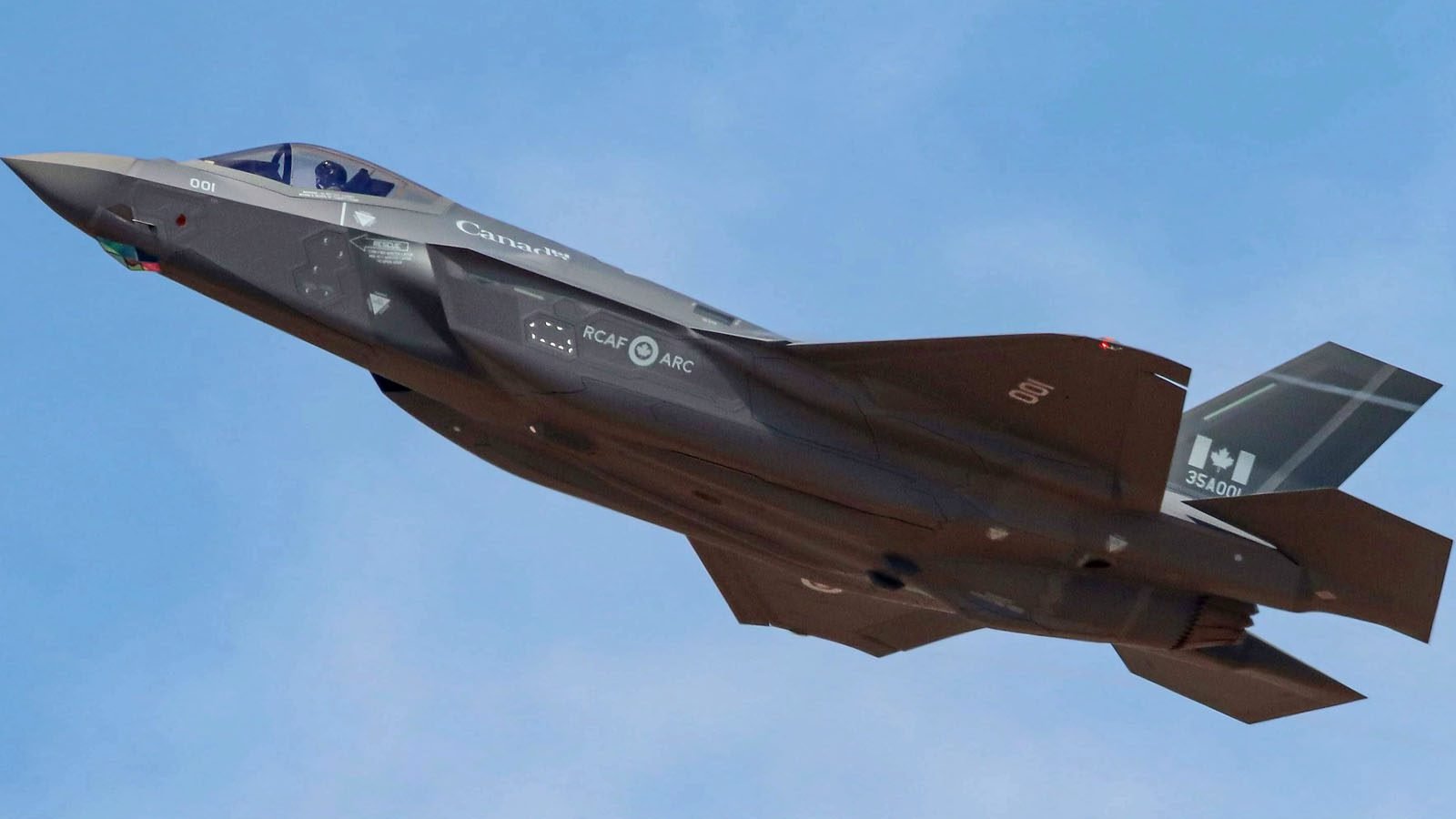
Ottawa: The US-made F-35 fighter jet is facing growing questions from some international customers, not over its combat capabilities but because of rising costs, political considerations and concerns about relying too heavily on a single aircraft supplier.
Switzerland announced in March that it intended to purchase around 30 F-35A fighter jets instead of the 36 originally planned, after rising costs pushed the programme beyond its initial voter-approved financial framework.
Canada, meanwhile, received its first two F-35 aircraft in October, but its wider plan to acquire 88 jets remains under review. Only the first 16 aircraft have been financially committed so far.
Ottawa is reportedly considering a mixed fighter fleet that could combine the F-35 with Sweden’s Saab Gripen E. Options under discussion include purchasing around 30 F-35s alongside 60 Gripens, although no final decision has been announced.
Swedish defence manufacturer Saab has also offered to assemble Gripen aircraft in Canada, potentially creating domestic industrial opportunities and strengthening the country’s defence manufacturing capabilities.
The debate reflects wider questions about the financial and strategic implications of operating the F-35, particularly for countries seeking greater flexibility in their defence procurement and military supply chains.
However, adopting two different fighter aircraft would bring additional challenges. A mixed fleet would require separate maintenance and logistics systems, pilot training programmes and technical support arrangements, potentially increasing long-term operating costs.
While some countries are reconsidering the scale of their purchases, others continue to move ahead with the programme.
Finland has received its first F-35 aircraft, marking progress in its transition towards the new fighter fleet. Meanwhile, Lockheed Martin delivered a record 191 F-35 aircraft worldwide last year, underlining continued international demand.
The debate therefore centres less on the aircraft’s performance and more on affordability, defence independence and long-term procurement strategy.
For countries considering a mixed fleet, the potential benefits of diversifying suppliers and operational capabilities must be weighed against the added expense and complexity of maintaining two different fighter platforms.