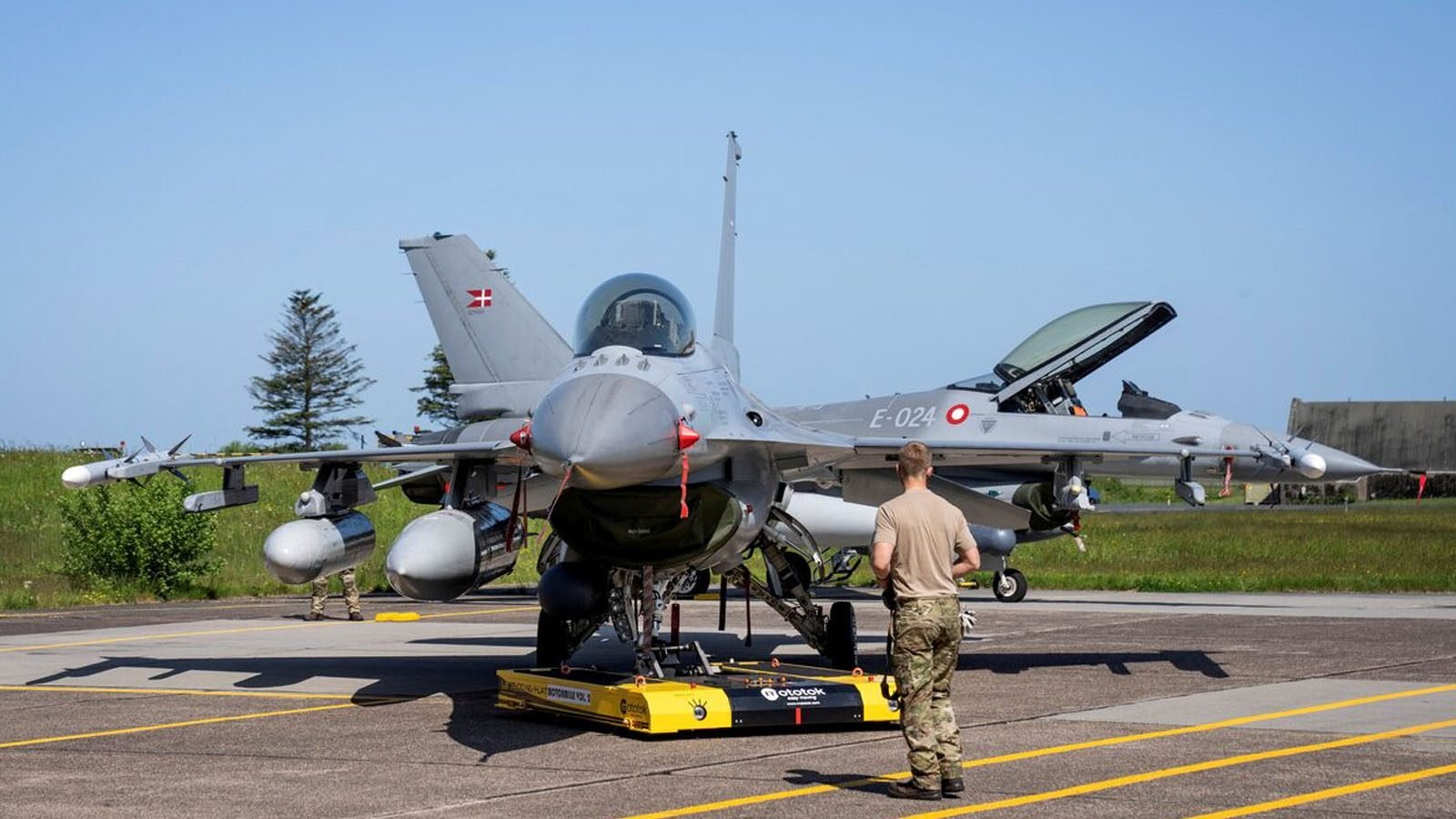
Four Nordic countries — Denmark, Finland, Norway and Sweden — are moving towards deeper military integration, with plans to operate a combined force of approximately 250 fighter jets as European nations seek to strengthen their defences against Russia and reduce reliance on the United States.
According to an analysis by Matti Pesu published in Foreign Affairs, closer military cooperation among Nordic and Baltic countries could create a stronger regional defence framework, allowing European allies to respond more effectively to potential threats even if broader NATO decision-making faces difficulties.
The Nordic countries have already taken steps towards integrating their military capabilities. In August, Sweden placed fighter aircraft and a warship under Finnish command during a military arrangement in which Swedish forces operated according to Finland’s rules of engagement.
The emerging regional framework also involves a division of military responsibilities. Finland is taking the lead in regional land operations, Norway is hosting the air command, while Sweden is developing into a central hub for the movement, deployment and supply of military forces across the region.
Meanwhile, Estonia, Latvia and Lithuania are coordinating their HIMARS multiple-launch rocket systems and developing a shared Baltic defence line to strengthen their ability to counter potential Russian military advances.
Poland could also play a more prominent role in the emerging regional defence structure by connecting its East Shield border fortification programme with the Baltic Defence Line and contributing additional air defence capabilities to NATO’s Baltic Air Policing mission.
Pesu has proposed developing joint military plans, establishing shared stocks of air defence missiles and expanding Poland’s involvement in regional security arrangements. Such measures would allow the countries to coordinate their military operations rather than relying on separate national defence strategies.
The analysis argues that the Nordic countries spent more than 15 years developing their current level of military cooperation, but other European countries on NATO’s eastern flank cannot afford to take a similarly long time.
Closer military integration could enable neighbouring countries to coordinate their responses to a security threat before NATO reaches a collective decision, potentially providing an additional layer of regional defence if the alliance faces political or operational paralysis.
The proposals reflect growing European efforts to strengthen regional military cooperation, improve defence readiness and develop greater capacity to deter Russia with less dependence on American military support.