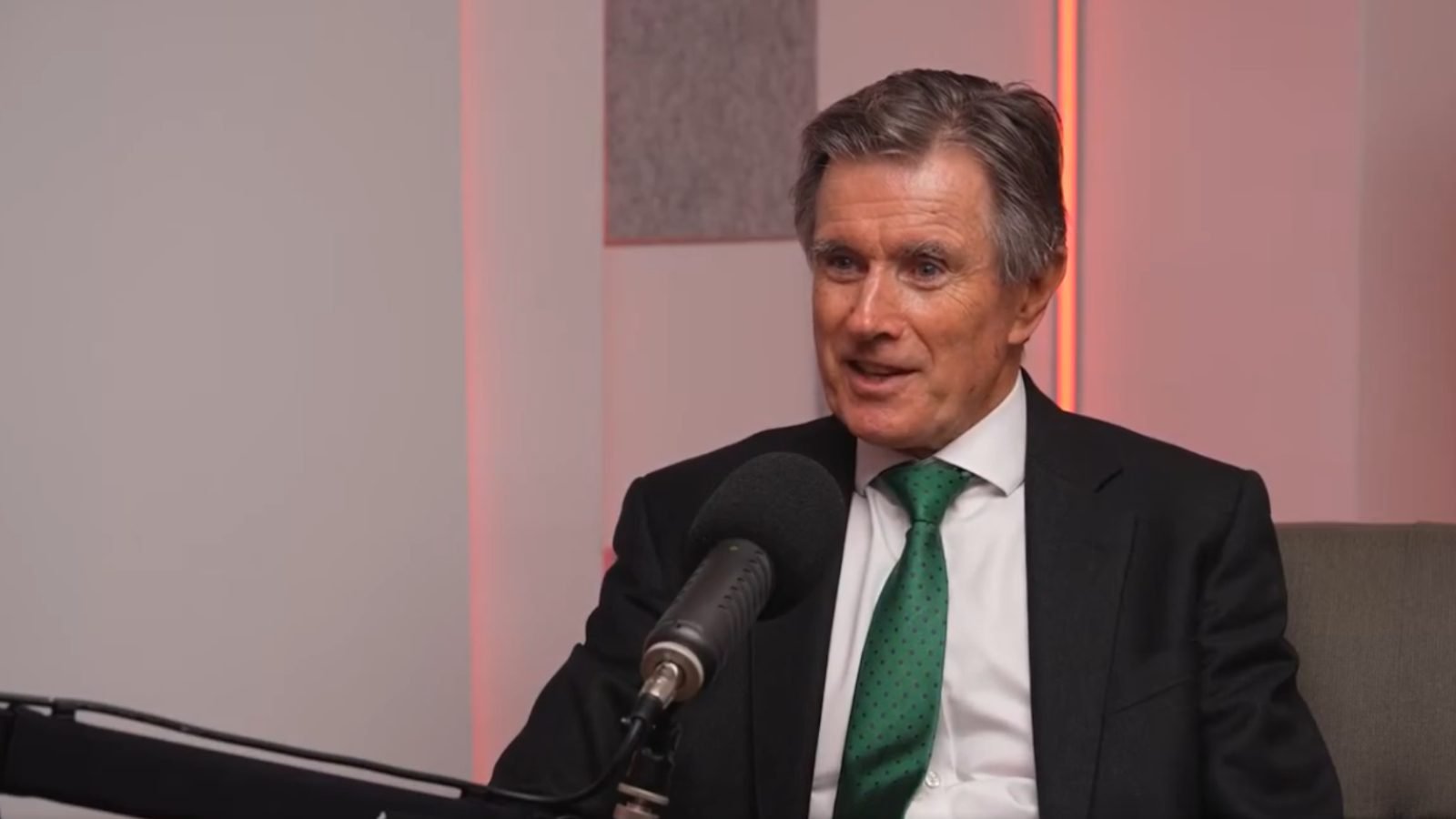
LONDON: Former MI6 chief Sir John Sawers has described Russia’s use of sexual entrapment, intimidation and blackmail to recruit or compromise foreign targets, warning that coercive intelligence methods can ultimately undermine the reliability of information reaching political and military leaders.
Speaking on the Giant Ideas podcast, Sawers said Russian intelligence agencies had historically used so-called “honey traps” to compromise Western visitors to Moscow, including by exposing them to opportunities for sexual encounters that could later be used as leverage.
He said British intelligence services did not employ such tactics, arguing that individuals recruited through coercion were less likely to provide dependable information.
Sawers referred to the Iraq War as a lesson in the dangers of flawed intelligence, stressing the importance of maintaining the integrity of intelligence-gathering systems.
He also said Russian agencies often relied on threats of violence when attempts at sexual entrapment failed.
“Russians tend to use threats of violence more than honey traps,” he said, describing how individuals could be placed under pressure through intimidation and threats.
Ukraine war exposed Russian intelligence failures
Sawers also criticised the performance of Russia’s Federal Security Service (FSB) in Ukraine, arguing that the use of compromised agents had contributed to serious intelligence failures.
He said systems built around manipulation and coercion risk producing information that serves the interests of handlers rather than providing an accurate picture of events.
According to Sawers, this can result in misleading intelligence being presented to senior decision-makers, potentially undermining strategic planning and military operations.
He contrasted Russia’s approach with Britain’s intelligence system, which he described as more reliable because it places greater emphasis on the integrity of sources and information.
The former intelligence chief’s remarks highlight the role of human intelligence in the Russia-West confrontation, particularly as the war in Ukraine continues to shape security concerns across Europe.
Sawers led Britain’s Secret Intelligence Service from 2009 to 2014. His comments were made in an interview published by the Giant Ideas podcast on November 19, 2026.