DUBLIN: Ireland’s homelessness crisis has reached another record high, with 18,185 people, including almost 6,000 children, living in Department of Housing-funded emergency accommodation in October 2026.
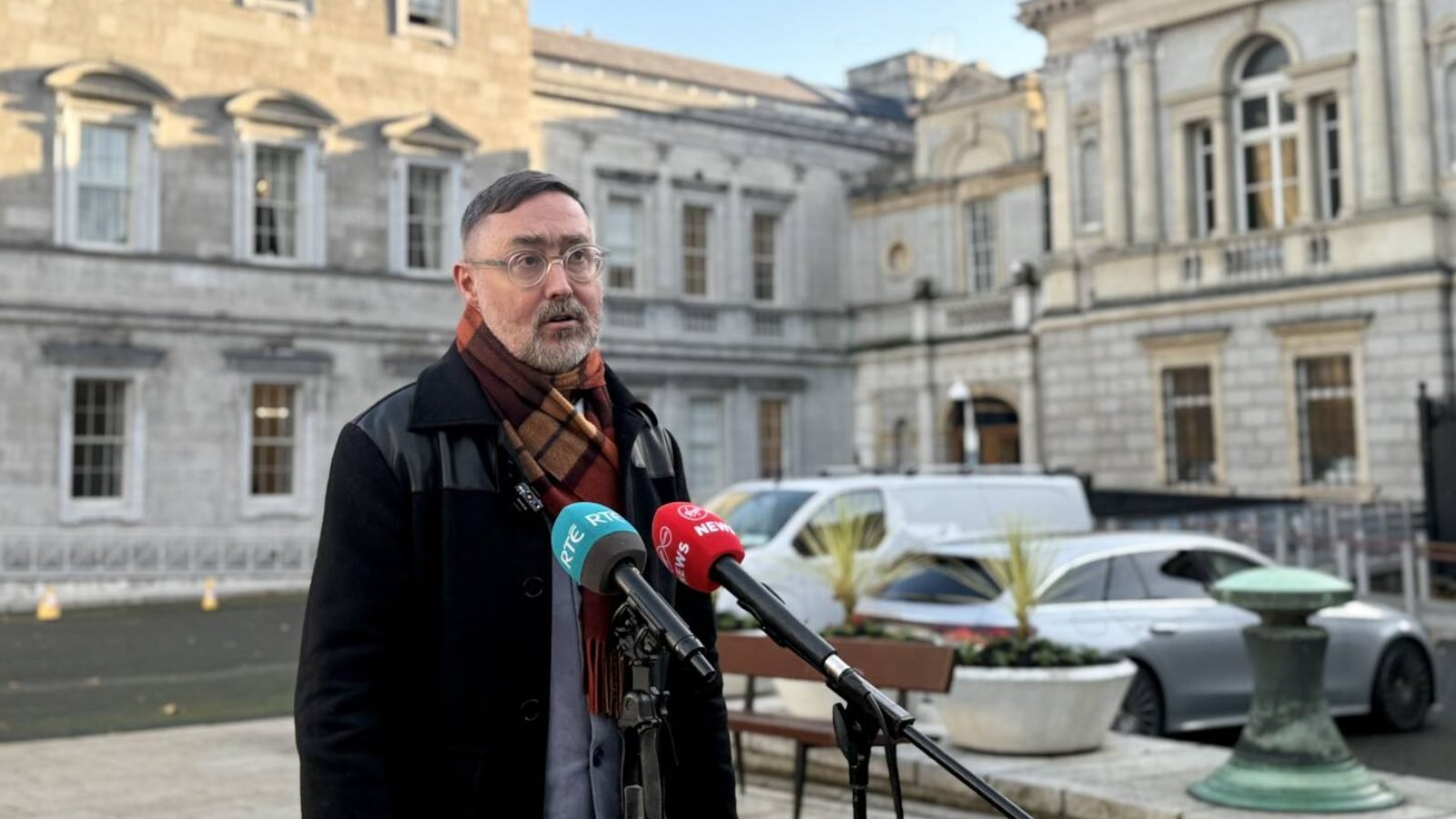
The latest figures have prompted renewed criticism of the Government’s housing strategy, with Sinn Féin spokesperson on Housing Eoin Ó Broin TD accusing the Coalition of “giving up on tackling homelessness” and failing to deliver the scale of intervention needed to reverse the crisis.
The October total represents an increase of 120 people compared with September’s 18,065 and an annual rise of approximately 8.5 per cent from October 2025. The latest breakdown records 12,256 adults and 5,929 children in emergency accommodation, with 2,849 families affected.
The figures underline the growing pressure on families, particularly as the number of children experiencing homelessness continues to rise faster than the overall total.
Responding to the figures, Dublin Mid-West TD Ó Broin criticised the Government’s announcement of an additional €20 million for homelessness prevention in 2027, arguing that the funding was insufficient to address the scale of the emergency.
He said the Department of Housing would receive €11 million of the allocation, with the funding distributed across government departments.
Ó Broin accused Fianna Fáil, Fine Gael and the Independents supporting the Government of failing to prioritise homelessness, claiming they were not delivering enough social and affordable housing or adopting policy proposals capable of tackling the crisis.
He said: “In October there were 18,185 people, including 5,926 children, in Department of Housing funded emergency accommodation. That is an increase of 120 people on September and a 9% increase since October 2025.”
The latest official report records 5,929 children, rather than the 5,926 cited in Ó Broin’s statement.
The Sinn Féin spokesperson argued that the additional funding would have little impact without a broader programme of investment and policy reform.
He also accused the Government of failing to respond adequately to the recommendations put forward by the Homeless Policy Group, Sinn Féin and other organisations working on housing policy.
The Government has presented the €20 million allocation as part of its wider Child and Family Homelessness Action Plan, which is intended to strengthen prevention measures and improve support for families experiencing homelessness.
Housing Minister James Browne previously told the Dáil that the funding would support measures across four government departments: Housing, Children, Health, and Justice. He said the Department of Housing’s €11 million allocation formed part of its overall €593 million homelessness funding provision for 2027.
The planned measures include expanding tenancy support services across local authority areas and extending supported housing for families. The Minister said the Government intended to ensure the action plan was implemented rather than remaining a set of commitments on paper.
However, Ó Broin maintained that the funding and policy measures announced so far would not be sufficient to reverse the rising numbers.
The latest figures have also intensified calls from homelessness charities for stronger prevention measures and more affordable housing.
According to the Simon Communities of Ireland, the number of people in emergency accommodation increased by 1,419 over the 12 months to October 2026. The number of children rose by 655, while family homelessness increased by 14.7 per cent over the same period.
The figures relate to people accommodated through local authority-funded emergency services and do not capture everyone experiencing housing insecurity. People sleeping rough, those sofa-surfing or staying in overcrowded accommodation are not fully represented in the monthly total.
Ó Broin warned that without a substantial increase in social and affordable housing delivery, alongside stronger prevention policies, more adults and children would be forced into emergency accommodation.
The latest figures have once again placed housing at the centre of Ireland’s political debate, with pressure mounting on the Government to demonstrate how its policies will bring the escalating crisis under control.