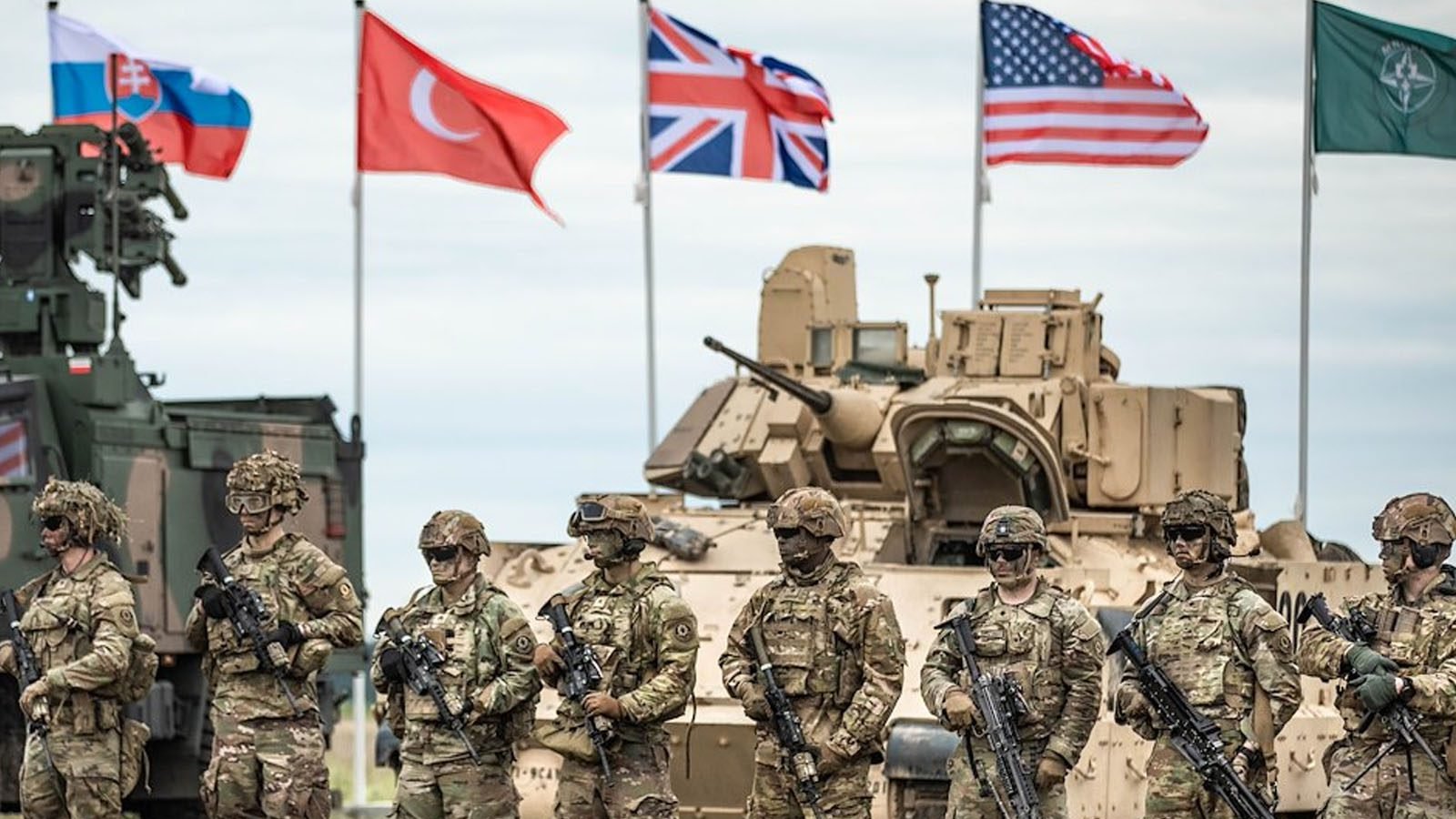
WASHINGTON: The Pentagon is reconsidering plans for a major reduction in US military forces stationed across Europe, with the proposed withdrawal now expected to involve around 5,000 troops rather than the 25,000 feared by European allies, according to a Bloomberg report.
The revised assessment represents a significant shift in Washington’s approach to its military presence on the continent, where approximately 80,000 American troops are stationed. The final decision rests with President Donald Trump, while Defence Secretary Pete Hegseth is expected to present recommendations on the proposed changes on December 1.
According to people familiar with the discussions, the Pentagon’s reassessment reflects increased defence spending by NATO’s European members and Washington’s continuing reliance on military bases across Europe to support operations in other regions.
The ongoing conflict involving Iran has highlighted the strategic importance of American installations in Europe, which provide logistical support, transport facilities and access to airbases for military operations in the Middle East.
The proposed reductions are expected to fall primarily on Germany, which hosts the largest US military contingent in Europe. At the same time, NATO’s eastern flank could see additional American deployments, with countries bordering Russia reportedly willing to contribute financially towards the cost of maintaining US forces on their territory.
The latest figures suggest Washington is already approaching that threshold. A US government oversight report put the number of American military personnel assigned to European Command at approximately 78,000 as of September 30, 2026, down from around 90,000 at the beginning of the previous fiscal year.
Under former president Joe Biden, the United States deployed or extended more than 20,000 additional troops to Europe, bringing the total American military presence to approximately 100,000 personnel. The move was intended to reinforce NATO’s eastern flank and strengthen deterrence against further Russian aggression.
The increase came after Russian President Vladimir Putin demanded in December 2021 that NATO halt further expansion and roll back its military infrastructure to positions held in 1997. Moscow’s demands included restrictions on NATO’s military presence in countries that joined the alliance after that year.
Instead of withdrawing, Washington reinforced its military presence across Europe, including deployments to Poland and Romania and additional capabilities supporting NATO’s eastern members.