Dublin: The United Kingdom and Ireland are seeking closer cooperation on trade, agriculture, security and emerging technologies as preparations continue for the upcoming UK-EU summit scheduled for November 20.
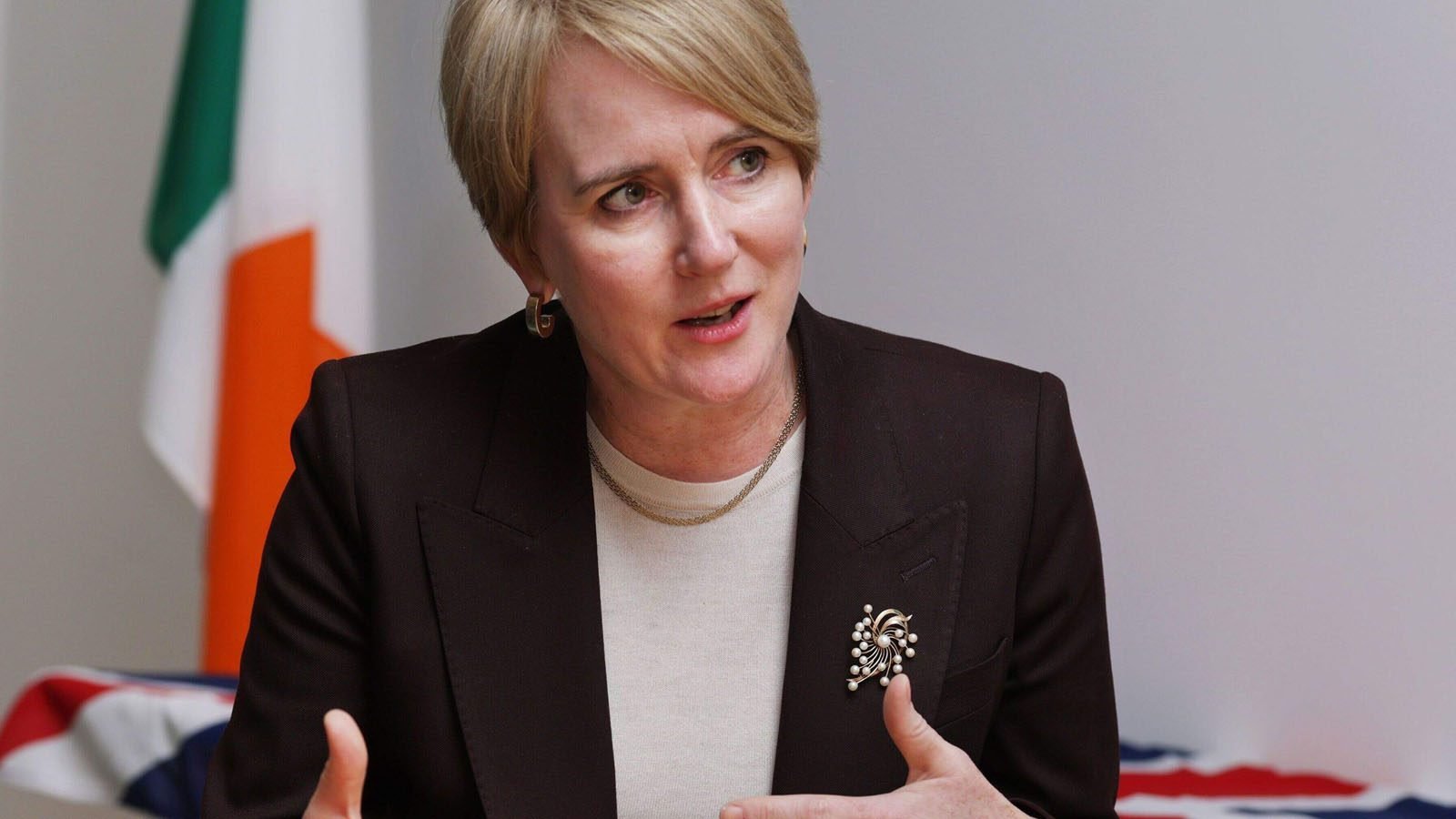
British Ambassador to Ireland Kara Owen said negotiations on several key agreements could have significant implications for businesses and communities across Ireland, particularly efforts to secure a sanitary and phytosanitary (SPS) agreement covering animal health, welfare and agricultural trade.
Speaking in an interview, Owen said negotiations on the proposed agreement had been progressing well, expressing hope that it could be finalised ahead of the summit.
She said reducing regulatory barriers and additional costs for businesses operating across borders would be particularly important for Ireland, Northern Ireland and the wider UK-Ireland economic relationship.
Another priority is cooperation between the UK and EU emissions trading schemes, which Owen said could help prevent unintended consequences and additional costs for businesses operating across borders.
The ambassador also highlighted the importance of youth exchanges and the UK’s renewed association with the Erasmus programme, describing international educational experiences as valuable in developing young people’s skills and understanding of other societies.
Owen said opportunities for students and apprentices to participate in exchanges across Europe could strengthen professional networks and encourage greater international engagement.
On broader relations, she said Prime Minister Keir Starmer had committed to maintaining annual bilateral summits with the Taoiseach to ensure continued cooperation on major strategic issues.
Owen also discussed Britain’s future relationship with the European Union, saying Starmer had encouraged a national conversation about the country’s post-Brexit direction rather than setting out a predetermined destination.
She said closer UK-EU security cooperation was increasingly important, arguing that European security could not be effectively addressed without British involvement, while the UK’s own security was closely connected to that of EU member states.
The ambassador also highlighted growing cooperation between British and Irish institutions in artificial intelligence, research and innovation. She said both countries had significant opportunities to share expertise, support technology companies and ensure that emerging technologies were developed and deployed safely.
Owen pointed to the UK’s investment in AI safety research and the growing presence of major technology companies in both countries, describing cooperation in the sector as an important part of their future economic relationship.
Addressing concerns about artificial intelligence replacing jobs, she said technological change would inevitably reshape employment, making adaptability, continued learning and human oversight increasingly important.
Separately, Owen announced the launch of the EU-UK Scale Up Awards in Ireland, a programme designed to support innovative Irish businesses seeking growth opportunities in the UK and wider European markets.
Launched in partnership with HSBC, the initiative will accept applications until early February. Successful companies are expected to receive opportunities to showcase their work at London Tech Week in June, alongside business advice, government support and assistance with regulatory challenges.
Owen said the initiative reflected the potential of Irish companies and the importance of strengthening commercial links between the two countries.
She also highlighted opportunities for British businesses to contribute to Ireland’s infrastructure development, particularly in rail engineering and offshore wind energy.
The ambassador said cooperation in renewable energy could help both countries strengthen energy security, reduce costs and make better use of the significant wind resources available across the islands.