WARSAW: NATO is relying on military strength, unity and deterrence to prevent Russian aggression against alliance members, with its top military commander in Europe saying the risk of a major Russian attack remains “relatively low” while Moscow’s forces are tied up in Ukraine.
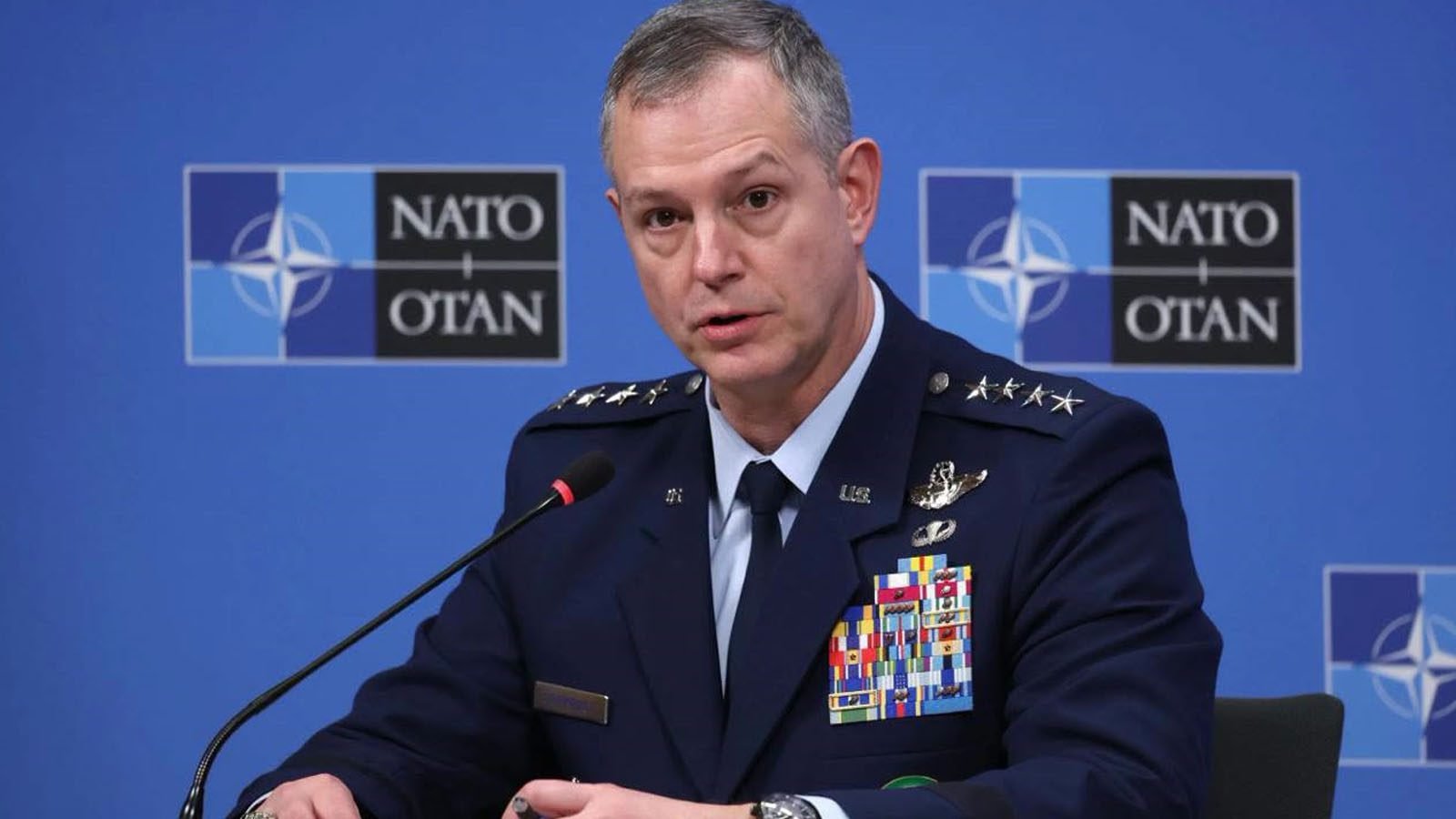
Speaking to TVP World ahead of the Warsaw Security Forum, NATO Supreme Allied Commander Europe General Alexus Grynkewich said the alliance was prepared to respond swiftly if Poland or the Baltic states came under attack, while stressing that preventing such a confrontation remained its primary objective.
Grynkewich is due to address the forum on Monday, outlining what he described as NATO’s “Theory of Victory” — a framework explaining how allied forces would conduct operations in the event of a conflict.
He said the concept was rooted in NATO’s defensive posture and a strategy of “denial”, designed to prevent an adversary from achieving its objectives.
The strategy also serves as a deterrent by signalling that the alliance has a clear operational plan and is prepared to implement it, Grynkewich said.
Potential adversaries should conclude that confronting NATO would be a costly decision because the alliance was ready to act, he added.
“We’re a defensive alliance, so we don’t have any desire here to escalate the situation,” Grynkewich told TVP World. “All we need to do is make sure no one can threaten us … And that’s our main objective.”
The NATO commander said the likelihood of Russia launching a major attack against a member state was currently relatively low, given that Russian forces remained engaged in the war in Ukraine.
However, he stressed that NATO was prepared to respond rapidly if Poland or the Baltic states were attacked.
He said the alliance sought to prevent aggression through deterrence, military preparedness and unity rather than wait for an attack to occur.
Grynkewich said NATO aimed to ensure that Moscow would not consider taking action against the alliance, adding that he hoped circumstances would never require allied forces to respond to an actual attack.
On Ukraine, the NATO commander rejected the notion that the war-torn country was a liability for the alliance, describing it instead as essential to Euro-Atlantic security.
He said Ukraine’s experience in the conflict was providing valuable lessons for NATO, while its military was increasingly contributing to European security.
Grynkewich said Ukrainians were demonstrating that their country could become a security provider rather than remain solely dependent on external assistance.
He added that Ukraine’s contribution to the security of the Euro-Atlantic region was likely to continue in the years ahead.