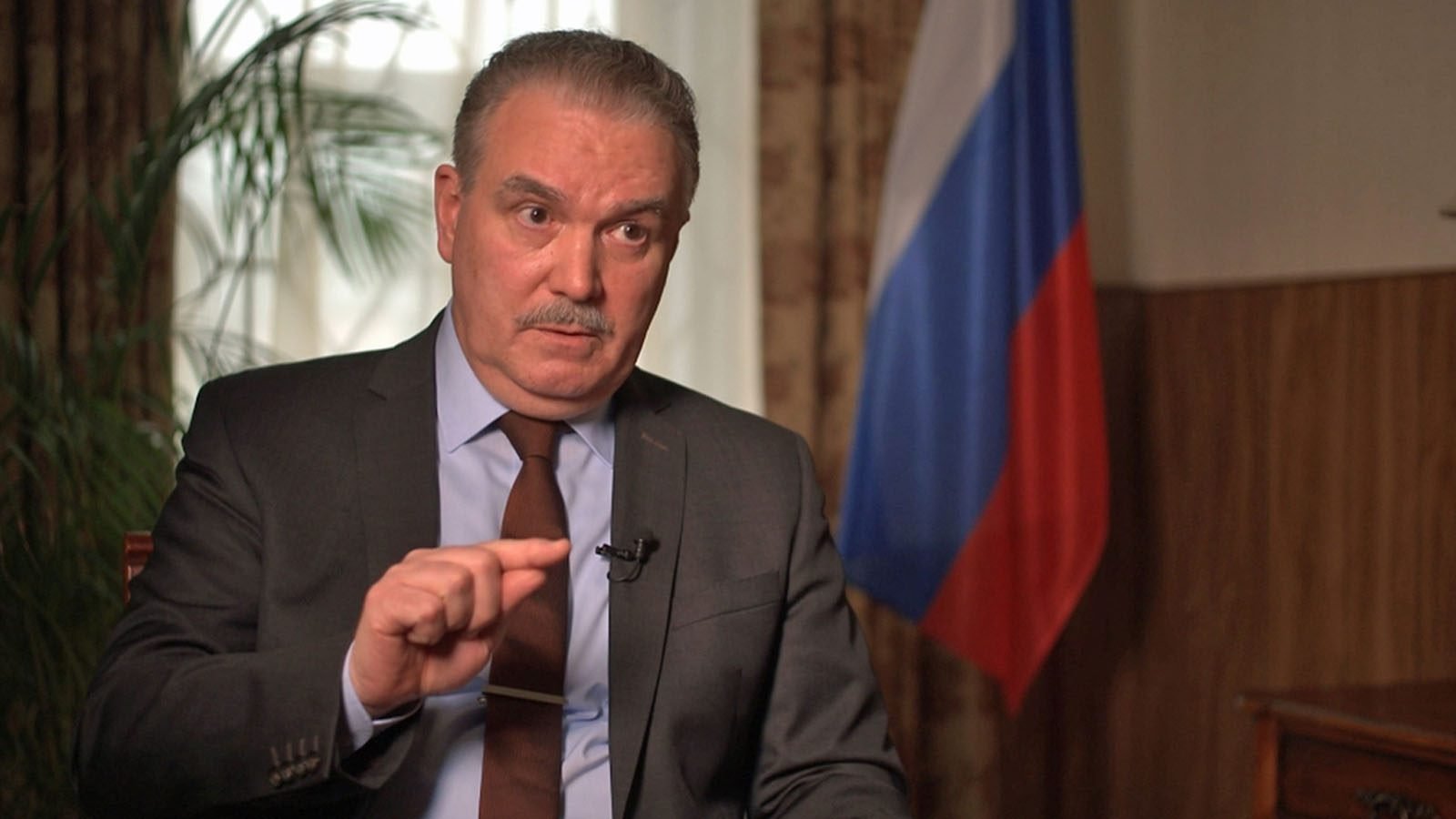
Dublin: Russian Ambassador to Ireland Yuriy Filatov has accused European Union leaders of obstructing efforts to end the war in Ukraine, claiming that their continued support for Kyiv is prolonging the conflict and undermining peace and security across Europe.
In remarks dated October 20, 2026, Filatov criticised the recent EU Summit, accusing Ukrainian President Volodymyr Zelenskyy of seeking further financial and military assistance from European leaders while presenting Ukraine’s war effort as a defence of democracy against Russian aggression.
The Russian ambassador claimed that European governments had committed themselves to confrontation with Moscow and were relying on continued Ukrainian resistance to sustain their policy.
Filatov also criticised the EU’s sanctions against Russia, including restrictions on Russian energy exports, arguing that the measures had contributed to a cost-of-living crisis across Europe. He accused European countries of seeking additional billions of euros for Ukraine despite economic pressures at home.
The ambassador further alleged that European support for Ukrainian strikes on Russian oil refineries and other energy infrastructure risked disrupting international energy markets.
Turning to the prospects for peace, Filatov said the summit demonstrated that a comprehensive political settlement remained a low priority for European leaders. He argued that any lasting agreement would need to address what Moscow describes as the “root causes” of the conflict.
These include, according to the ambassador, the alleged oppression of Russian-speaking people in Ukraine, the country’s military ties with NATO and what he described as the spread of nationalist and neo-Nazi ideology.
Filatov also accused EU leaders of opposing serious negotiations to end the conflict, including diplomatic initiatives that he said had received support from the US administration.
He described the European approach as a policy of fighting “till the last Ukrainian”, arguing that it was damaging to both Russia and Ukraine and ran counter to Europe’s wider interests in peace and security.
The remarks reflect Moscow’s position on the war and its criticism of continued Western military and financial support for Kyiv.