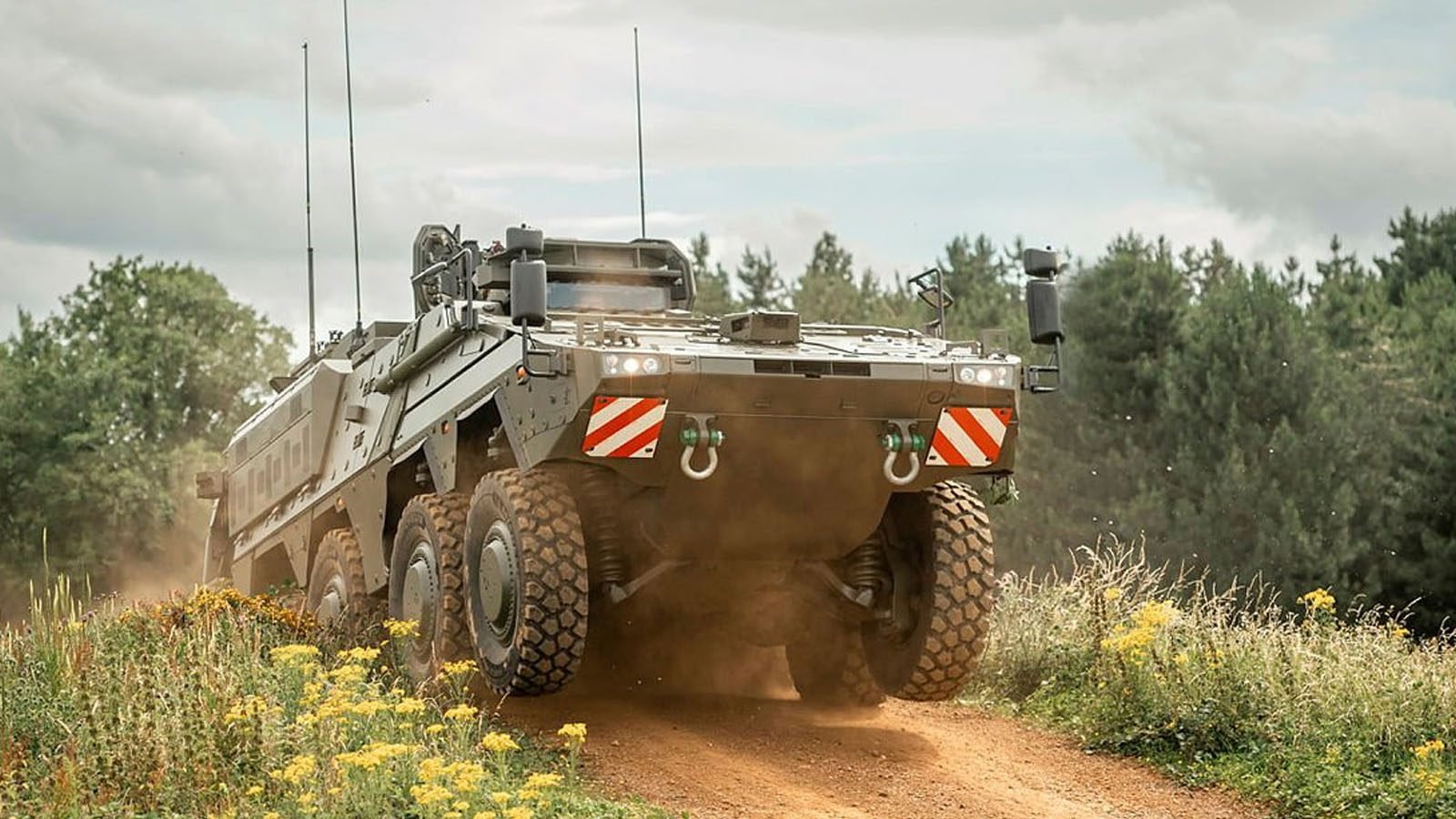
The British government has scrapped plans for three new battlefield vehicle models as part of a £2 billion reduction in Army equipment spending, raising concerns that troops could lack the capability to recover damaged armoured vehicles during combat.
The Ministry of Defence (MoD) has abandoned the proposed vehicles, including a specialised recovery vehicle designed to retrieve Boxer armoured vehicles damaged or immobilised on the battlefield, according to a report by The Telegraph.
The decision has prompted warnings from opposition figures that British armoured units could be left stranded under enemy fire without adequate recovery support.
The Army is expected to receive more than 600 Boxer mechanised infantry vehicles, including troop carriers, command platforms, specialist carriers and ambulances. However, the cancellation of the recovery vehicle project has raised questions about how damaged vehicles will be retrieved during military operations.
Ben Obese-Jecty, a retired soldier and the Conservative opposition’s shadow defence procurement minister, warned that deploying Boxer units without dedicated repair and recovery assets could become extremely difficult.
He said the vehicles risked being left stranded in full view of the enemy if they broke down or sustained battlefield damage.
The MoD has said it is examining alternative options to address the capability requirements. Officials are understood to be considering the procurement of a heavy-wheeled recovery vehicle to support the Boxer fleet.
A ministry spokesperson said the changes concerned future spending that had not yet been committed, adding that the government remained committed to delivering its 623 Boxer vehicles.
The spokesperson said the allocated £2.2 billion for delivery of the vehicles over the next four years would remain unchanged.
The wider armoured vehicle programme budget has, however, fallen from more than £7 billion to just over £5 billion following the removal of funding as part of Army reprioritisation. Full delivery of the Boxer fleet is not expected until at least 2031.
The cuts come as Chancellor John Healey faces a £4.7 billion shortfall in funding for the defence investment plan ahead of his first Budget, scheduled for next week. Sources close to Healey have indicated that the Ministry of Defence and other government departments are expected to identify savings to address the funding gap.
The controversy has intensified pressure on the government to explain how it intends to finance military modernisation amid growing security concerns over Russia and Iran.
Defence spending has become a growing political dispute, with opposition leader Kemi Badenoch expected to call for savings in other areas of government spending to fund the armed forces.
The government has also faced criticism over its decision not to commit to raising defence spending to 3% of gross domestic product by 2030. The Treasury has instead said a pathway towards that target would be outlined in 2027.
Defence funding pressures have been compounded by historical overspending within the MoD. On Monday, Defence Secretary Wes Streeting acknowledged that the armed forces were being required to live within their means, citing longstanding problems with routine overspending and the need to reprioritise expenditure.
However, Streeting insisted that funding pressures would not slow military preparations and expressed confidence that Healey would provide the money needed to address the shortfall.
The latest cuts have renewed debate over whether Britain can meet its military ambitions while managing competing demands on public finances.