Fianna Fáil has welcomed the progress, describing the publication of the Plug-In Solar Working Group report as an important step towards making the technology available to households across Ireland.
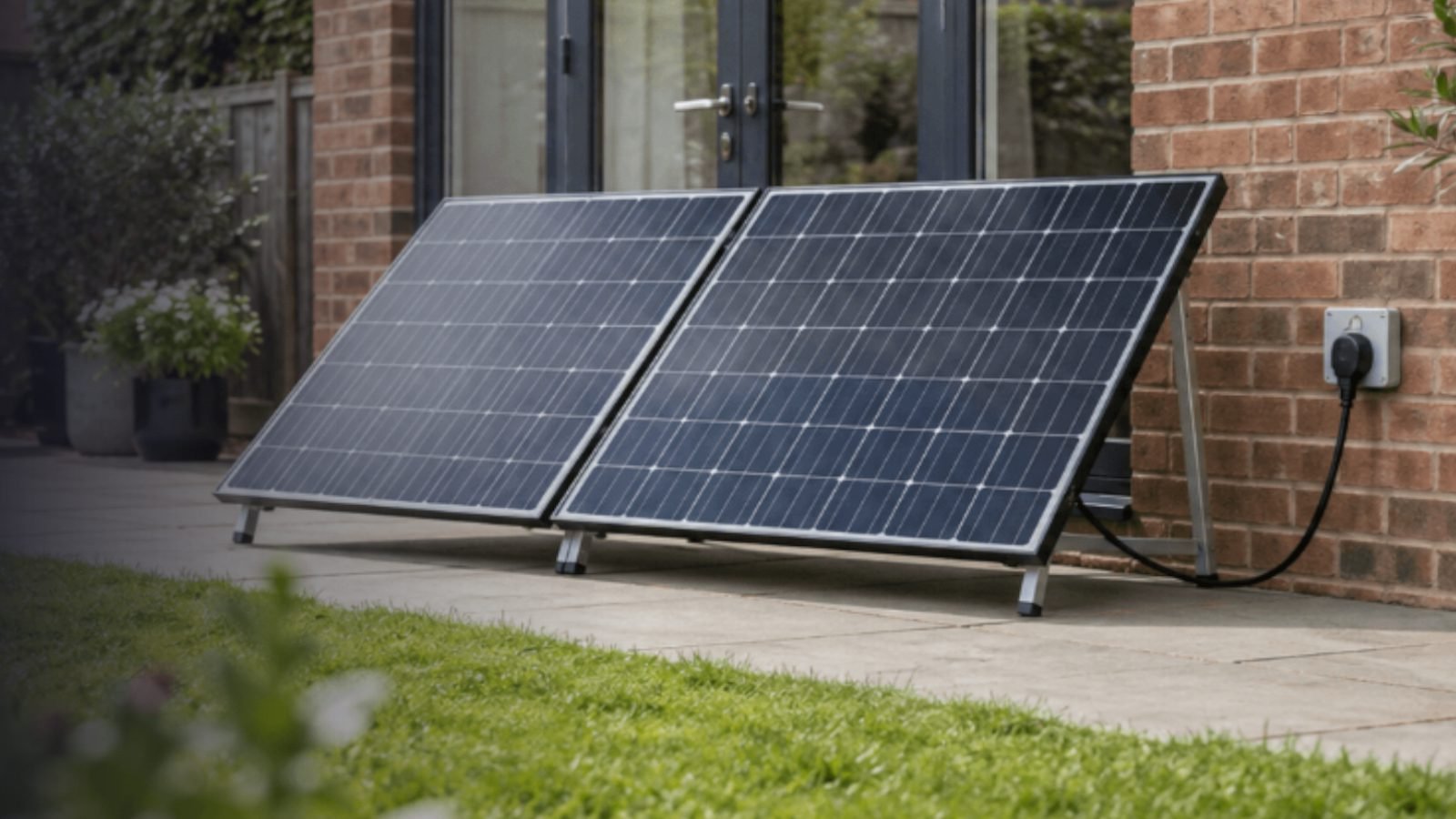
The technology, commonly known as balcony solar or plug-and-play solar, allows people to generate electricity using small solar panels connected to a suitable household socket. Unlike traditional rooftop installations, these systems can be installed in outdoor spaces such as balconies, gardens and sheds, potentially making solar energy accessible to a much wider section of the population.
The report, coordinated by ESB Networks, examines how the technology could be introduced safely and under appropriate regulatory standards. It was prepared with input from the Department of Climate, Energy and the Environment, the Commission for Regulation of Utilities (CRU) and the National Standards Authority of Ireland (NSAI), among other stakeholders.
One of the biggest potential advantages is the opportunity for people who cannot install conventional rooftop panels to generate their own electricity.
This could particularly benefit apartment residents, renters and homeowners whose properties are unsuitable for traditional solar installations.
According to the working group’s findings, a consumer-led plug-and-play approach is the preferred option. It would allow compliant systems to connect directly to suitable existing household sockets, subject to product standards, safety requirements and customer registration arrangements.
The technology has already gained significant popularity in other European countries, particularly Germany, where smaller solar systems have become an alternative for households with limited space or no access to rooftops.
The report identifies a potential pathway towards introducing the technology, but further work is required before consumers can use the systems legally.
This includes an Ireland-specific safety assessment, the development of product specifications, a review of relevant legislation and the introduction of registration procedures and consumer guidance.
The Government is targeting the second half of 2027 for the potential introduction of plug-in solar, subject to the completion of the necessary safety and regulatory measures.
The report also considers systems with an output of up to 800 watts AC, while recommending that the initial rollout focus on plug-in solar rather than extending immediately to plug-in batteries.
The technology could offer households another way to manage rising electricity costs while reducing dependence on conventional energy sources.
Estimates reported in Irish media suggest that smaller plug-in solar systems could cost around €500, with potential annual electricity savings of approximately €130 to €150, depending on household consumption, installation conditions and electricity prices.
Fianna Fáil said the technology could help reduce household electricity bills, widen access to renewable energy and allow more people to participate in Ireland’s transition towards cleaner power.
The initiative forms part of broader Government efforts to improve energy affordability and reduce dependence on imported fossil fuels.
While plug-in solar is not yet available for unrestricted use in Ireland, the publication of the working group’s report marks an important step towards giving households more control over how they generate and use electricity.