Author: Auditor

  • What is ACCA? Full Guide to the Qualification (2026)

    What is ACCA? Full Guide to the Qualification (2026)

    If you’ve been Googling “what is ACCA” at 1 a.m. while trying to decide what to do after Intermediate or A-Levels, you’re not alone. Every year, thousands of students in Pakistan land on this exact question — and most walk away more confused than when they started, thanks to vague explanations and recycled Wikipedia summaries.

    So let’s actually answer it. Properly.

    ACCA, in One Sentence

    ACCA stands for the Association of Chartered Certified Accountants — a UK-based, globally recognized professional body that qualifies people to work in accounting, finance, audit, and business management. Once you complete it, you don’t get a degree in the traditional sense — you become a Chartered Certified Accountant, which is a professional qualification respected in over 180 countries.

    Think of it less like a university degree and more like a professional license — similar to how a CA or CPA works, except ACCA is structured to be more flexible and globally portable.

    Why So Many Students in Pakistan Are Choosing ACCA

    A few years ago, most commerce students in Pakistan had two real options after Intermediate: a BBA or CA. Now ACCA has become the third — and often preferred — path, for a few practical reasons:

    • You can start earlier. You don’t need to wait for a bachelor’s degree; ACCA accepts students right after Intermediate or A-Levels.
    • It’s globally recognized, which matters a lot if you’re eyeing jobs in the UK, UAE, or elsewhere.
    • It’s flexible. You can study alongside a job or a degree, since exams are offered multiple times a year.
    • HEC recognizes it as equivalent to a Master’s degree in Pakistan, which opens doors for local jobs and further studies.

    Read Also : ACCA F2 Management Accounting Course by Sir Haris Hanif | Escribir Academy

    What Does the ACCA Qualification Actually Cover?

    ACCA isn’t just “accounting.” The syllabus is built around three levels that take you from the basics all the way to strategic, boardroom-level thinking:

    1. Applied Knowledge — the foundation: business, management accounting, and financial accounting basics.
    2. Applied Skills — where things get technical: law, performance management, taxation, financial reporting, audit, and financial management.
    3. Strategic Professional — the final stretch, where you tackle leadership, strategy, and specialist papers like advanced taxation or advanced audit.

    Alongside the exams, you’ll also complete an Ethics and Professional Skills Module and 36 months of practical work experience, because ACCA wants you to graduate job-ready, not just exam-ready.

    If you want the exact breakdown of all 13 papers, we’ve written a separate guide on the ACCA course structure that goes paper by paper.

    How Long Does ACCA Actually Take?

    This is the part nobody gives you a straight answer on. Realistically, most full-time students finish ACCA in 2 to 3 years, while those studying alongside a job often take 3 to 4 years. It genuinely depends on how many exemptions you get and how many papers you attempt per sitting — we’ve broken this down in detail in our how long does ACCA take article.

    Read Also : Free ACCA Mock Exams for Taxation (TX) and Financial Reporting (FR) – September 2026 Attempt

    What Does It Cost?

    ACCA fees are paid directly to ACCA Global in British Pounds, and then there’s tuition on top of that if you join an academy. As of the 2026 fee schedule, you’re looking at things like a one-time registration fee, an annual subscription (£140 standard, discounted for first-year students), and per-exam fees that range roughly from £143 to £252 depending on the paper and level. We’ve laid out the complete, updated breakdown — including rupee conversions — in our ACCA exam fees in Pakistan 2026 guide, so you can actually budget for it instead of guessing.

    Is ACCA Hard?

    Honestly — yes, in the way any serious professional qualification is hard. It demands consistency more than raw genius. Students who treat it like a marathon (steady prep, past papers, proper time management) tend to do far better than those who cram. The good news is that the syllabus is designed progressively, so each level builds on the last instead of throwing you into the deep end.

    Who Should Actually Consider ACCA?

    ACCA tends to be a strong fit if:

    • You’ve just finished Intermediate, A-Levels, or a BBA/BCom and want a globally recognized qualification.
    • You’re already working and want to formalize your finance knowledge without quitting your job.
    • You’re considering opportunities abroad — the UK, UAE, Saudi Arabia, and other markets actively recognize ACCA.

    It might not be the right fit if you’re looking for something you can finish in under a year, or if you have no interest in accounting, audit, or finance-related roles at all — in which case, it’s worth exploring alternatives first.

    Where to Study ACCA in Pakistan

    Your tutor matters almost as much as your own effort — a good instructor can turn a dense topic like consolidations or deferred tax into something that actually clicks. At Escribir Academy, ACCA papers are taught by experienced instructors who focus on exam technique, not just theory, with flexible online classes designed for both students and working professionals across Pakistan and internationally.

    If you’re still deciding whether ACCA is the right move for you, our team can walk you through the syllabus, timelines, and fee structure in a quick, no-pressure conversation — get in touch with Escribir Academy to start your ACCA journey.

     

  • Gold Prices Rebound in Karachi, Surge Past Rs 500,000 Per Tola

    Gold Prices Rebound in Karachi, Surge Past Rs 500,000 Per Tola

    In a dramatic turnaround, the Karachi bullion market rebounded sharply on Tuesday, pushing gold prices back above the psychologically important Rs 500,000 per tola mark after a historic three-day sell-off. The strong recovery indicates renewed buying interest and highlights continued volatility in the precious metals market.

    According to official rates, the today gold rate in Karachi for 24-karat gold surged by Rs 13,700, settling at Rs 504,062 per tola. This rebound recovered more than half of Monday’s steep losses, suggesting that the recent crash may have been an extreme market correction rather than the beginning of a prolonged bearish trend.

    On a per-gram basis, 24-karat gold per 10 grams climbed by Rs 11,745 to Rs 432,151, while 22-karat gold rose by Rs 10,766 to Rs 396,152 per 10 grams.

    Silver prices also joined the rally, with 24-karat silver jumping Rs 416 per tola to Rs 8,821, and Rs 357 higher per 10 grams at Rs 7,562. Despite the gains, silver remains well below its recent highs, reflecting ongoing turbulence in the precious metals sector.

    The local rebound mirrored global trends, as the international gold price surged by $137 per ounce to $4,813, recovering part of its recent sharp losses in overseas markets.

    All rates are officially certified by the All Pakistan Sarafa Gems and Jewellers Association (APSGJA) and are calculated based on interbank exchange rates for purity 999 (24K).

  • ABHI Microfinance Bank, DigiKhata Partner to Unlock Financing for SMEs Across Pakistan

    ABHI Microfinance Bank, DigiKhata Partner to Unlock Financing for SMEs Across Pakistan

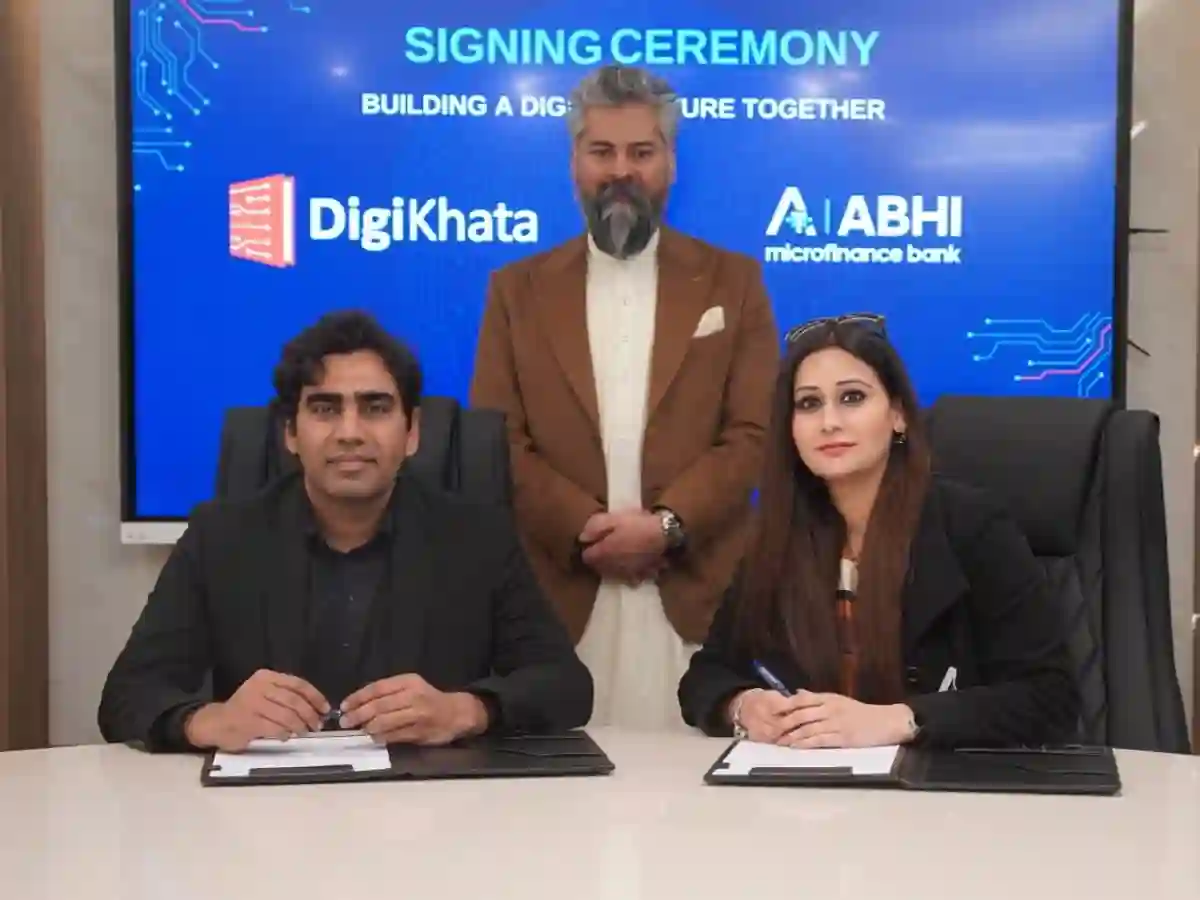
    KARACHI: ABHI Microfinance Bank has signed a Memorandum of Understanding (MoU) with DigiKhata, a leading digital ledger platform used by small and medium enterprises (SMEs), to enable structured financing solutions for businesses operating on DigiKhata’s platform.

    The partnership is designed to connect digitally active SMEs with formal financial services, allowing eligible merchants and businesses on DigiKhata to access financing through ABHI Microfinance Bank. By combining DigiKhata’s digital business ecosystem with ABHI’s regulated banking infrastructure, the collaboration aims to help SMEs unlock working capital and accelerate business growth.

    DigiKhata’s platform, widely used by small retailers and traders to manage sales, credit, and inventory records, generates digital transaction trails that can support more informed credit assessment. Through this integration, ABHI Microfinance Bank will be able to extend financing solutions to SMEs based on structured evaluation processes, bringing more businesses into the formal credit landscape.

    Industry experts note that access to timely working capital remains one of the biggest barriers to SME growth in Pakistan. By embedding financial services within digital platforms already used by businesses, such partnerships are helping bridge the gap between informal trade and formal banking channels.

    The initiative is expected to support business expansion, inventory management, and cash flow stability for small merchants, enabling them to scale operations with greater financial confidence. The move also aligns with broader efforts to promote financial inclusion by bringing underserved business segments into the documented economy.

    ABHI Microfinance Bank, Zanda Join Hands to Expand Digital Loans in Pakistan

    The MoU was formally signed by Mariam Pervaiz, Chief Communications Officer, ABHI Microfinance Bank, and Adnan Aslam, Chief Executive Officer, DigiKhata. Also present at the ceremony was Kabeer Naqvi, Entrepreneur in Residence at ABHI Financials, along with representatives from both organisations.

    Mariam Pervaiz, CCO, ABHI Microfinance Bank, said the collaboration reflects the Bank’s focus on empowering small businesses through technology-driven finance.

    “SMEs are the backbone of Pakistan’s economy, yet many remain outside the formal financial system. By partnering with DigiKhata, we are meeting businesses where they already operate digitally and enabling access to responsible financing that can help them grow, stabilise cash flows, and scale sustainably.”

    Adnan Aslam, CEO, DigiKhata, highlighted the importance of linking digital record-keeping with access to capital.

    “Small businesses today are generating valuable financial data through digital tools, but access to formal credit has often remained out of reach. This partnership with ABHI Microfinance Bank creates a pathway for merchants on DigiKhata to turn their digital activity into financial opportunity, supporting the next phase of their growth.”

  • ABHI Microfinance Bank, Zanda Join Hands to Expand Digital Loans in Pakistan

    ABHI Microfinance Bank, Zanda Join Hands to Expand Digital Loans in Pakistan

    In a move aimed at widening access to small-ticket digital financing in Pakistan, ABHI Microfinance Bank has entered into a strategic partnership with Zanda Financial Services (Pvt.) Ltd., a technology-enabled non-banking finance company, to deliver digital lending solutions through integrated digital platforms.

    The collaboration combines ABHI Microfinance Bank’s regulated banking infrastructure with Zanda’s digital customer interface, creating a model that allows eligible users to apply for and access loans through a seamless mobile experience. Loan disbursement, wallet operations, and repayment channels will be supported through ABHI’s banking systems, ensuring the process operates within a secure and compliant financial framework.

    Industry observers see such partnerships as a growing trend in Pakistan’s financial sector, where banks and fintechs are increasingly working together to bridge the gap between formal finance and digitally active but underserved populations. By embedding credit into digital ecosystems, the initiative is expected to offer an alternative to informal borrowing channels that many low- and middle-income individuals rely on for short-term liquidity needs.

    The model focuses on short-tenure, small-value loans designed to support everyday financial requirements — from emergency expenses to short-term cash flow gaps. With customer verification, risk assessment, and system integrations forming a core part of the structure, both institutions aim to ensure responsible lending practices remain central to the offering.

    ABHI Microfinance Bank, Pathfinder Group partner to advance Agent Interoperability and Earned Wage Access

    Beyond individual access to credit, the partnership signals a broader shift in how financial services are being delivered in Pakistan. Rather than relying solely on physical branch networks, banks are increasingly using technology partnerships to extend their reach into digital channels where customers already transact and engage. This approach is seen as key to accelerating financial inclusion while maintaining regulatory safeguards.

    For ABHI Microfinance Bank, the agreement aligns with its strategy of building ecosystem-based financial solutions that combine banking stability with fintech innovation. For Zanda, the partnership provides the regulated financial backbone required to scale digital lending in a structured environment. Together, the institutions are positioning themselves within Pakistan’s fast-evolving digital finance landscape, where demand for quick, accessible, and formal credit continues to rise.

    The agreement was formally signed by Mariam Pervaiz, Chief Commercial Officer, ABHI Microfinance Bank, and Saif Ul Islam, Chief Executive Officer, Zanda Financial Services. Also present at the ceremony was Kabeer Naqvi, Entrepreneur in Residence at ABHI Financials, along with representatives from both organizations.

    Mariam Pervaiz, CCO, ABHI Microfinance Bank, said the partnership reflects the Bank’s continued focus on inclusive, technology-led finance.

    “Digital access to formal credit is becoming essential for financial resilience. By partnering with Zanda, we are extending responsible lending through digital ecosystems where customers already operate, while ensuring the strength, compliance, and security of a regulated banking environment remain at the core of the experience.”

    Saif Ul Islam, CEO, Zanda Financial Services, noted that collaboration with a regulated bank is key to scaling sustainable digital lending.

    “Our platform is designed to make financing seamless and accessible. Working with ABHI Microfinance Bank allows us to combine innovation with financial discipline, enabling us to serve customers more efficiently while maintaining the trust and safeguards required in today’s financial landscape.”

  • UBL with AUTON8 concludes core banking data migration of 105 Ex-Silk Bank branches

    UBL with AUTON8 concludes core banking data migration of 105 Ex-Silk Bank branches

    United Bank Limited (UBL) has successfully completed a large-scale core banking data migration with AUTON8 in six months, transitioning data from Ex-Silkbank’s Temenos T24 core banking system to UBL’s Symbols platform.

    The program encompassed customer accounts records across 105 branches and was executed with zero critical data loss within six months, ensuring complete accuracy, reconciliation, and uninterrupted operational continuity.

    The initiative addressed significant technical challenges, including high-volume data processing within restricted banking windows, complex mapping across account structures, branch codes, customer identifiers, and GL/symbol hierarchies, as well as the remediation of legacy data quality issues. To accelerate repeatable conversion cycles and reduce cutover risk, AUTON8 utilised MORPH to configure governed transformation logic between source and target structures, enabling the rapid refinement of mapping rules across dry runs with consistent outcomes carried into the final migration.

    Munawar Raza Shah, Chief Operating Officer at UBL, said: “This migration marks a critical step in UBL’s core banking modernization journey. Executing a transformation of this scale—across hundreds of thousands of customer records and more than 100 branches—within a compressed timeline required precision, strong governance, and absolute confidence in data accuracy. AUTON8’s automation-led approach and the capabilities of AUTON8 MORPH provided us with the control, traceability, and assurance needed to manage operational risk effectively and ensure business continuity. The outcome reflects strong collaboration and a shared commitment to delivering resilient, future-ready banking infrastructure.”

    Sohail Aziz, Chief Information and Digital Officer at UBL, said: “Executing a migration of this scale required precision, strong governance, and absolute confidence in data integrity. The program was delivered through disciplined planning, multiple validation cycles, and minimal operational disruption. This successful outcome strengthens our core banking foundation and supports UBL’s long-term objectives around stability, scalability, and digital modernization.”

    Farasat Ali Naqvi, EVP Core Banking at UBL, said the successful completion of this migration within 6 months represents a significant milestone for UBL. AUTON8 MORPH proved to be a game-changer for us, with its no-code, governed and traceable transformation approach made it possible to deliver this outcome at speed. AUTON8’s structured execution ensured data integrity, minimized operational risk and enabled a smooth post-migration transition, he added.

    Ali Raza, Chief Operating Officer at AUTON8, said:  “This project reflects AUTON8’s strength in delivering mission-critical banking transformations under tight timelines. Migrating customer records across 105 branches between two entirely different core banking systems, while ensuring zero critical data loss, demonstrates our automation-led execution and deep banking domain expertise. AUTON8 MORPH—our no-code transformation platform—enabled governed, fully traceable mapping and conversion at scale, which is how we delivered within such a compressed timeframe.”

    The successful delivery of this project reinforces AUTON8’s position as a trusted transformation partner for large-scale banking data migrations, enabling financial institutions to modernize core platforms while safeguarding accuracy, resilience, and customer continuity.

    It is pertinent to mention here the merger of the United Bank Limited and Silk Bank took place last year under the supervision of the State Bank of Pakistan (SBP).

  • ABHI Microfinance Bank, Pathfinder Group partner to advance Agent Interoperability and Earned Wage Access

    ABHI Microfinance Bank, Pathfinder Group partner to advance Agent Interoperability and Earned Wage Access

    ABHI Microfinance Bank Limited (“ABHI Bank”) has signed a Memorandum of Understanding (MoU) with Pathfinder Group to establish a strategic collaboration centered on agent interoperability, enabling wider access to formal financial services for underserved and frontline segments across Pakistan.

    The partnership places Agent Interoperability at the core of the arrangement, allowing ABHI Bank to integrate with VRG’s interoperable agent platform. Through this collaboration, ABHI Bank customers will be able to access permissible banking and financial services via VRG’s agent interoperable network, in line with State Bank of Pakistan regulations extending banking reach beyond branches and smartphones.

    ABHI has evolved from a fintech platform into a licensed microfinance bank with a clear focus: making finance accessible at the point where people live and work. This partnership reflects that direction, building shared infrastructure that allows financial services to travel through trusted agent networks and reach workers who remain outside traditional digital channels.

    Alongside agent interoperability, ABHI Bank will provide its Earned Wage Access (EWA) services to eligible employees across Pathfinder Group and its portfolio of operating companies spanning security services, facilities management, manpower, and allied businesses. The service will allow employees to access a portion of their earned wages before payday, helping them manage routine expenses without financial stress.

    ABHI Bank will also support Pathfinder Group through digital salary processing and bulk salary disbursement services, improving efficiency, transparency, and timeliness of salary payments for operational and frontline staff.

    To further strengthen inclusion, the collaboration will leverage interoperable USSD rails, enabling ABHI’s EWA and salary customers, particularly feature-phone users to access basic financial services such as balance inquiries, transaction confirmations, and earned wage access, subject to regulatory and technical approvals.

    Speaking on the partnership, Mariam Pervaiz, (CCO) ABHI Microfinance Bank, said: “Agent interoperability is a critical building block for financial inclusion in Pakistan. This collaboration allows us to extend banking access through shared infrastructure, while also delivering earned wage access and salary services to workers who need flexibility, not complexity.”

    Muhammad Salman Ali, (CEO) Virtual Remittance Gateway, added: “Our agent Interoperability platform is built on modular, cloud-native middleware technology architecture, providing end-to-end secure transaction processing. Partnering with ABHI Bank enables us to combine Interoperable USSD with Agent Interoperable Network with practical financial solutions and services for our workforce and the wider ecosystem.”

    Also present at the ceremony were Chairman Pathfinder Group Mr. Ikram Saigol and Entrepreneur in Residence Abhi Mr. Kabeer Naqvi alongside their teams.

  • PBC welcomes consultation with tax policy office on tax reform

    PBC welcomes consultation with tax policy office on tax reform

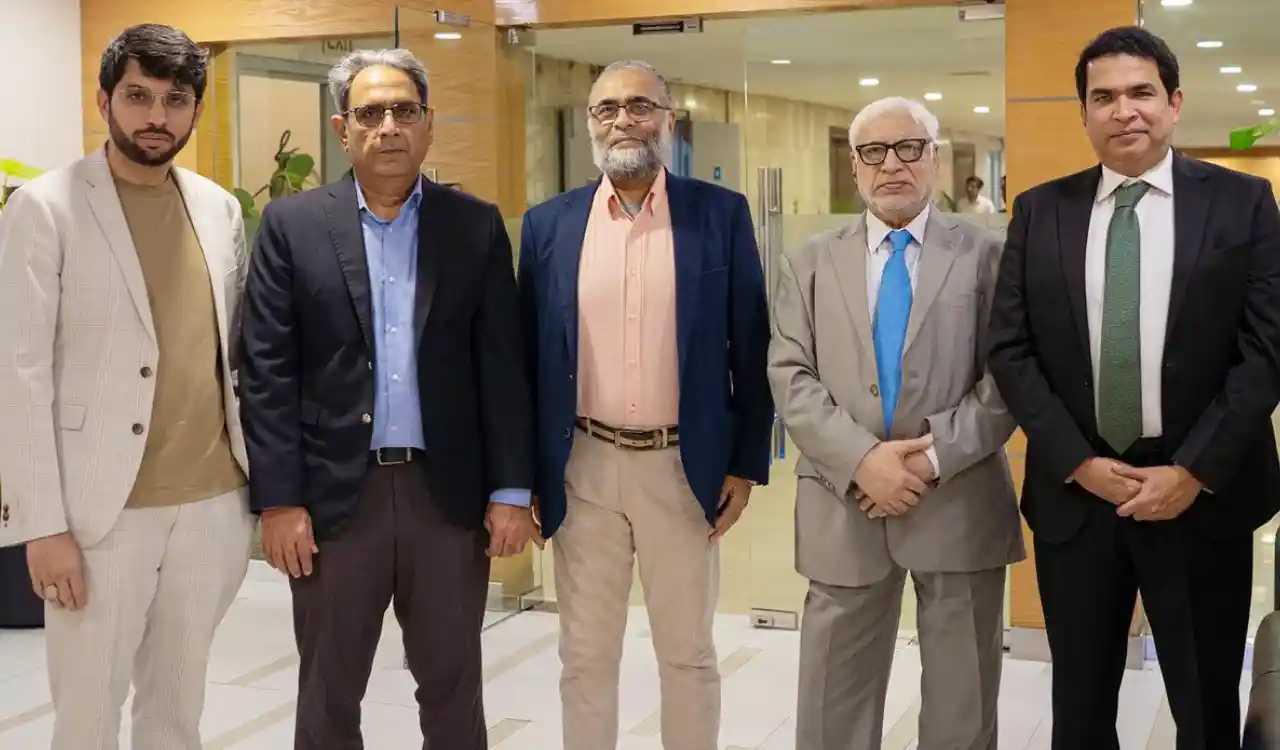
    The Pakistan Business Council (PBC) today welcomed Dr Najeeb Ahmed Memon, the newly appointed Director General of the Tax Policy Office (TPO), during his visit to engage with industry representatives and business leaders.

    The visit forms part of the government’s outreach to bring key stakeholders on board as it undertakes reforms aimed at separating tax policy from revenue administration and building a more growth-oriented tax framework.

    During the meeting at PBC, Dr Memon outlined the mandate and working approach of the Tax Policy Office and emphasised the importance of structured consultation with industry bodies.

    The discussion focused on understanding private sector challenges, identifying distortions in the existing tax regime, and shaping tax policies that support investment, competitiveness, and formalisation of the economy.

    PBC was among the first organisations to recommend and support the separation of tax policy from revenue administration. The Council has consistently maintained that tax policy should be long-term, predictable, and consistent to facilitate investment, support industry and exports, and contribute to sustainable economic growth.

    It has further emphasised that an effective tax framework must ensure a level playing field for the documented economy and avoid penalising compliant businesses.

    Welcoming the engagement, Dr Zeelaf Munir, Chairperson, PBC, said that the creation of the TPO is a positive institutional step toward meaningful reform.

    “We welcome Dr Najeeb Ahmed Memon’s visit and value the consultative approach being adopted by the Tax Policy Office. Pakistan’s economic future depends on resilience, reform, and responsible partnership. Documentation of the economy is necessary, and tax reform is essential for sustained growth. The separation of tax policy from administration can help create a more predictable, evidence-based, and growth-focused framework. At PBC, we bring data, solutions, and a partnership approach to support the government in designing workable policies that encourage investment and broaden the tax base without penalising compliant businesses,” she said.

    She added that effective tax reform requires continuous dialogue with industry to ensure that policies are grounded in economic realities and aligned with Pakistan’s long-term growth objectives.

    Dr Najeeb Ahmed Memon said, “The Government of Pakistan firmly believes that engagement with industry stakeholders is pivitol to building an effective and credible tax policy framework that support country’s economic proposperity. These consultations are aimed at understanding sectoral realities, identifying structural challenges, and ensuring that tax policy supports growth, investment and documentation of the economy. The insights shared by the Pakistan Business Council and its members will be valuable in shaping pragmatic and sustainable policy outcomes.”

    The PBC reiterated its commitment to constructive engagement with the government and its institutions, noting that sustainable reform can only be achieved through coordination between policymakers, administrators, and the industry. The Council emphasised that a transparent, predictable, and equitable tax system remains central to improving Pakistan’s investment climate and supporting long-term economic growth.

  • How TikTok Is Becoming Pakistan’s Go-To Content Discovery Platform

    How TikTok Is Becoming Pakistan’s Go-To Content Discovery Platform

    TikTok’s Search feature has become a powerful discovery tool, where millions increasingly come to the platform to explore new ideas, learn practical skills, find inspiration, and engage with content that reflects their culture, language, and everyday lives.

    People are now turning to TikTok as a video-first search engine, especially when they want answers explained visually and quickly. They come to the platform to search for short videos that show, explain, and contextualise information in real time — from how to prepare for an exam or plan a trip, to understanding breaking news or learning a new skill. This shift reflects a broader preference for authentic, creator-led video explanations that feel relatable, practical, and easier to understand.

    In Pakistan, TikTok has evolved far beyond just an entertainment platform. With TikTok’s Search feature, it has become a dynamic, visual discovery experience built around curiosity and real-life utility. In the past year, the region saw significant increases in searches related to education, culture, food, travel, beauty, lifestyle, news explainers, and every day “how-to” moments, demonstrating how people now turn to TikTok to learn, understand, and connect.

    Insights reveal that the TikTok community in Pakistan is searching for answers to real-world questions at an unprecedented rate. Searches for several popular content hashtags rose in Pakistan over the past year, pointing to growing use of the platform as a discovery tool. Searches linked to #TravelTok increased by 53%, while #FoodTok rose by 52%. #StudyTok searches were up 60%, and #FitnessTok recorded the largest jump, growing 66% year-on-year. The figures suggest Pakistani users are increasingly turning to TikTok to find content aligned with their interests and curiosity.

    “Our community in Pakistan is using TikTok’s Search feature as a natural starting point when they want to discover how something works, understand a topic quickly, or find inspiration from real people,” said Umais Naveed, Content Operations Lead, South Asia at TikTok. “What makes TikTok unique is the authenticity of its community. The content feels human, practical, and rooted in real experiences, making Search a place where people come not just to find information, but to connect with perspectives they trust.”

    Supporting Discovery with Safety: TikTok’s Search Interventions
    As TikTok Search continues to grow, the platform has strengthened its commitment to ensuring users can explore the product safely and responsibly. TikTok’s Search Interventions are proactive in-app experiences that appear when users search for sensitive or high-risk topics, guiding them toward credible, supportive, and authoritative resources.

    Depending on the query, interventions may include:

    • Mental health support, including local helplines and well-being resources
    • Guidance during crises, such as natural disasters or rapidly evolving emergencies
    • Prompts around misinformation, encouraging verification from reliable sources
    • Awareness information on sensitive issues such as harassment, violence, or public safety

    In Pakistan, TikTok has partnered with local organizations such as Umang Pakistan, enabling direct access to culturally and linguistically relevant support during vulnerable moments. Additional interventions have been deployed around elections, disaster response, and conflict-related topics to help users receive responsible, contextually accurate information.

    “Our approach to Search is built around safety-by-design,” said Asma Anjum, Regional Trust & Safety Lead, South Asia at TikTok. “Search Interventions ensure that when someone looks for help or encounters a sensitive topic, they are met with guidance grounded in well-being, accuracy, and social responsibility.”

    The Future of Search in South Asia

    The rising use of TikTok as a discovery destination mirrors a broader regional shift: people want information delivered visually, simply, and authentically. Whether exploring new interests, preparing for exams, seeking travel inspiration, following cricket conversations, or learning practical life skills, TikTok has become a place where users feel connected to relatable creators who speak their language and reflect their communities.

    As TikTok continues to invest in product innovation, safety infrastructure, and local partnerships across South Asia, Search will remain a core part of how people discover content, broaden their knowledge, and find meaningful connections on the platform.

  • Teknofest: Experts urge Youth to acquire Tech, Entrepreneurial Skills

    Teknofest: Experts urge Youth to acquire Tech, Entrepreneurial Skills

    Renowned experts from the technology and business sectors urged students and young professionals to equip themselves with skills in emerging technologies, entrepreneurship, and business communication, while upholding strong ethical and religious values to build sustainable and successful careers both locally and internationally.

    The experts were addressing a large gathering at the Teknofest Conference held at Expo Centre, Karachi, as part of the Mera Brand Pakistan exhibition, which attracted thousands of students, freelancers, startups, and young professionals from across the city.

    Speaking on the occasion, Dr. Noman Said, IT expert and CEO of SI Global Solutions, highlighted that Pakistan’s IT industry is gradually gaining global recognition; however, he stressed that companies and professionals must focus on innovation, quality delivery, and brand building to compete in high-end international markets.

    He emphasized that technology careers are no longer limited to programming alone but now span areas such as artificial intelligence, data analytics, cloud computing, cybersecurity, and enterprise solutions. He advised students to adopt a long-term learning mindset, stating that continuous skill upgrading is essential in a rapidly evolving digital world.

    “Adaptability, lifelong learning, and ethical professionalism are the core pillars of a successful technology career,” he said, adding that Pakistani professionals must project a positive image of the country by maintaining integrity, transparency, and reliability in their work.

    Saad Shah, IT expert and CEO of Hexalyze, said that while universities are producing a large number of graduates each year, there remains a gap between academic knowledge and industry requirements. He noted that many IT companies are bridging this gap by offering internships, mentorship programs, and on-the-job training to prepare graduates for real-world challenges.

    He encouraged youth to combine technical expertise with business acumen, explaining that understanding project management, client communication, and basic financial concepts can significantly enhance career growth. “The professionals who succeed globally are those who can solve problems, communicate effectively, and conduct business with honesty and professionalism,” he added.

    Highlighting the importance of ethics and discipline, Saad Shah said that young professionals should strictly adhere to religious and moral values, respect workplace culture, and maintain professional conduct. “Your skills may get you hired, but your integrity and attitude will sustain your career,” he remarked.

    Ibrahim Amin, Chairman of the Pakistan Freelancers Association (PAFLA), said that the global workforce is undergoing a major transformation, with remote work, freelancing, and digital entrepreneurship becoming mainstream career paths. He said Pakistan has immense potential in the global freelance economy due to its young population and growing digital talent pool.

    He advised freelancers and digital workers to focus on personal branding, portfolio development, and ethical client dealings. “Trust, discipline, and timely delivery are critical for long-term success in freelancing. A single professional’s behavior reflects the image of the entire country,” he said.

    He further added that ethical practices, transparency, and respect for client commitments are essential to building lasting professional relationships and recurring business opportunities in international markets.

    The speakers collectively emphasized that the future belongs to those who combine technology skills with entrepreneurial thinking, strong communication abilities, and unwavering ethical values. They encouraged students to explore diverse career paths in technology, including startups, corporate careers, freelancing, and global remote roles, while remaining grounded in discipline and integrity.

    Teknofest, organized as part of the Mera Brand Pakistan exhibition, served as a platform to connect industry leaders with aspiring professionals. Other prominent speakers, including Saad Zuberi, CEO of LuckyOne; Shaikh Muhammad Tahseen, President of FBATI; and Amir JI Hafiz Naeem, also addressed the audience and shared insights on innovation, business growth, and national branding.

  • Chinese Hoymiles partners with Harisun Energy and Superstar to launch high-tech storage solutions in Pakistan

    Chinese Hoymiles partners with Harisun Energy and Superstar to launch high-tech storage solutions in Pakistan

    Renowned Chinese inverter manufacturer Hoymiles has entered Pakistan to provide high-tech, long-duration energy storage solutions for residential, commercial, and industrial buildings utilizing solar systems for electricity consumption.

    Speaking as the chief guest at the Hoymiles launching ceremony held at a local hotel on Monday, Ali Rashid, Advisor to the Chief Minister of Sindh on Science and IT, said the provincial government appreciates foreign investors, particularly Chinese companies, establishing their industries, assembly, and distribution units in the commercial city of Karachi to meet the demand of the local market as well as export solutions to other countries.

    Ali Rashid reiterated that the Sindh government is currently collaborating with various Chinese companies across different sectors, including logistics and renewable energy, and it welcomes further cooperation between the private and public sectors.

    “The government is working rigorously to facilitate foreign investors and companies to enhance their business and commercial activities, mainly in the technology and renewable energy sectors, to improve the living standards of the public and boost economic activity within the country and the province of Sindh,” he added.

    Hoymiles has formed strategic partnerships with Superstar, a renowned name in Pakistan’s automotive industry, and Harisun Energy, a new entrant in the energy solutions sector, to explore the Pakistani market, which is witnessing rapid growth in solar power adoption. In this regard, launch events were held simultaneously in Karachi and Lahore, unveiling multiple storage solutions produced by Hoymiles under the brands of Harisun Energy and Superstar.

    Over the past few years, a large number of industrial, commercial, and residential electricity consumers have shifted to solar power systems to address frequent power outages and the rising cost of electricity. Reports indicate that net-metering capacity currently stands at 6,000 MW, while off-grid solar capacity has increased to 12,000 MW in Pakistan by the end of 2025.

    “Pakistan’s growing solar sector is facing a major challenge related to long-hour backup and energy storage solutions, which will soon be addressed with the entry of a global leader in energy solutions,” said Haris Jamsheed, CEO of Harisun Energy. “Our partnership with the Chinese company will provide innovative energy storage solutions for residential, commercial, and industrial solar systems, enabling uninterrupted electricity supply at workplaces, factories, and homes during nighttime hours.”

    Solarization has continued to expand across the country on a large scale due to prolonged load-shedding in remote areas and the high cost of electricity, which has become unaffordable for many households and industrial units, particularly in recent years.

    “We have vowed to bring an energy revolution to Pakistan through innovative storage solutions, as the industrial and commercial sectors can enhance productivity with low-cost electricity backup systems,” said Saleem Umar, Chairman of Superstar. “Affordable electricity will reduce operational costs at the domestic level, enabling exporters to compete more effectively in global markets.”

    Superstar Solar Energy and Harisun Energy are introducing Hoymiles’ innovative range of solar inverters, energy storage solutions, and smart energy management systems to the Pakistani market. These solutions are designed to deliver reliable, efficient, and sustainable energy, empowering individuals and businesses to harness solar power as a clean and green energy source.

    According to a report by the International Energy Agency (IEA), Pakistan has emerged as one of the world’s fastest-growing solar markets, importing approximately 50 GW of solar panels amid falling prices and widespread adoption across sectors in the first half of the year. This surge has made Pakistan the third-largest market for Chinese solar panels, a growth that has attracted global attention.

  • Giant Buddha to Overlook Manhattan in 2026

    Giant Buddha to Overlook Manhattan in 2026

    A towering Buddha sculpture is set to become Manhattan’s newest landmark in 2026, replacing the giant pigeon statue known as “Dinosaur” currently perched along the High Line.

    The pigeon sculpture near 10th Avenue and 30th Street will remain in place until spring, when a newly carved 27-foot Bamiyan Buddha arrives. Created in Vietnam, the sculpture will be installed along the High Line and displayed for 18 months.

    Designed by artist Tuan Andrew Nguyen, the Buddha pays tribute to the two sixth-century Bamiyan Buddhas in central Afghanistan that were destroyed by the Taliban in 2001. The work aims to honor cultural memory and resilience in the face of destruction.

    Alan van Capelle, executive director of Friends of the High Line, described the sculpture as “a towering, 27-foot call to remembrance,” emphasizing the importance of collective memory and shared humanity. He noted that the destruction of the Bamiyan Buddhas resonates with many people today who fear cultural erasure and persecution.

    The statue will be installed above the intersection of 10th Avenue and 30th Street, offering visitors a striking new point of reflection along one of New York City’s most popular public spaces.

  • Man Arrested on Suspicion of Murder After Fatal Stabbing of 15-Year-Old in London

    Man Arrested on Suspicion of Murder After Fatal Stabbing of 15-Year-Old in London

    A 22-year-old man has been arrested on suspicion of murder following the fatal stabbing of a teenage boy in north London.

    Metropolitan Police officers arrested Abdel Dedour on Boxing Day after a two-week search linked to the killing of 15-year-old Adam Henry. The teenager was stabbed in Islington at around 1pm on December 9.

    Police said officers and paramedics from the London Ambulance Service responded to the incident and Adam was taken to hospital, where he later died.

    The force confirmed that five people were arrested at an address in northwest London on Boxing Day. Alongside Dedour, three men and a woman, aged between 18 and 47, were detained on suspicion of assisting an offender.

    The 47-year-old woman was also arrested for assaulting a police officer, while one of the men, aged 39, was additionally arrested for domestic violence and driving-related offences.

    All five suspects remain in police custody.

  • UK Secures Migrant Return Deals with Angola and Namibia, Imposes Visa Curbs on DRC

    UK Secures Migrant Return Deals with Angola and Namibia, Imposes Visa Curbs on DRC

    The UK has reached agreements with Angola and Namibia to accept the return of illegal migrants and criminal offenders, following warnings from the British government about possible visa penalties for countries that fail to cooperate, the Home Office said.

    At the same time, the Democratic Republic of Congo (DRC) has lost access to fast-track visa services and preferential treatment for VIPs and senior officials after failing to meet the UK’s requirements for improved cooperation on migrant returns.

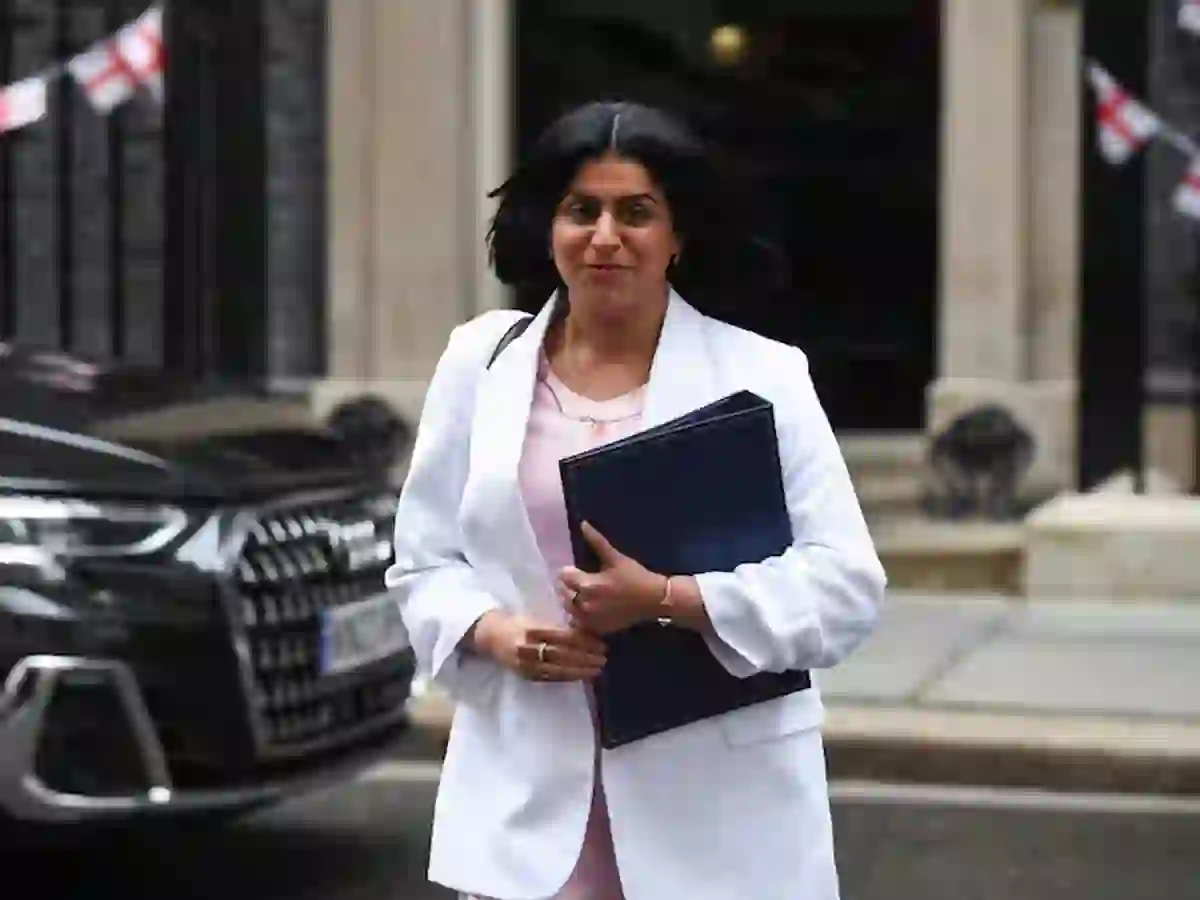
    Home Secretary Shabana Mahmood said Britain could further escalate measures, including a complete suspension of visas for the DRC, unless cooperation “rapidly improves.”

    “We expect countries to play by the rules. If one of their citizens has no right to be here, they must take them back,” Mahmood said.

    The agreements represent the first major shift under reforms announced last month aimed at making refugee status temporary and accelerating the deportation of people who enter the UK illegally.

    Foreign Secretary Yvette Cooper said the UK has removed more than 50,000 people with no legal right to remain since July last year—an increase of 23% compared with the previous period—and has instructed diplomats to prioritise return agreements.

  • Huge Fire Rips Through Popular Amusement Park on Boxing Day

    Huge Fire Rips Through Popular Amusement Park on Boxing Day

    An investigation has been launched after a major fire tore through a popular amusement park in the North East on Boxing Day.

    Emergency services were called to the Dinosaur Cove attraction at Ocean Beach Pleasure Park in South Shields at around 7pm on Friday. The park, home to around 40 rides, attractions, and arcades, is located approximately 12 miles east of Newcastle city centre.

    Fire crews battled the blaze throughout the night before leaving the scene at around 3:30am on Saturday. Tyne and Wear Fire Service (TWFS) said the cause of the fire has not yet been determined and will be investigated. Police confirmed the incident is not being treated as suspicious.

    Dramatic images showed thick smoke rising from the amusement park as large sections were engulfed in flames. The fire led to the closure of several nearby roads on Friday evening while emergency services worked to contain the blaze.

    A police cordon remained in place on Saturday morning, according to local reports. TWFS said it has now cleared the site and will continue to support partner agencies during the investigation.

  • Karachi air pollution worsens, PM2.5 levels reach unhealthy level

    Karachi air pollution worsens, PM2.5 levels reach unhealthy level

    Residents across Karachi are breathing dangerously polluted air, with fine particulate matter (PM2.5) concentrations soaring far above safe limits in multiple neighborhoods, according to real-time air quality monitoring data.

    As of 6:00 PM Tuesday, North Nazimabad and Orangi Town recorded the city’s highest PM2.5 level at 186 micrograms per cubic meter – more than 12 times the World Health Organization’s recommended 24-hour exposure limit of 15 micrograms per cubic meter.

    Several other major areas of the city also reported alarmingly high pollution levels. University Road recorded the highest PM2.5 concentration at 157, followed by Clifton Block 4 with 142.

    Pollution levels remained critically elevated along key arteries, with Shahra-e-Faisal registering 138, while Gulshan-e-Iqbal Block 14 recorded 137.

    Other densely populated areas were similarly affected. Gulistan-e-Johar reported PM2.5 levels of 130, Malir recorded 126, and Mauripur saw concentrations reach 125.

  • Gold hits record high on safe-haven demand

    Gold hits record high on safe-haven demand

    Gold prices soared to a record high in early Asian trading on Friday, driven by strong safe-haven demand and growing expectations of further interest rate cuts by the U.S. Federal Reserve.

    Spot gold climbed 0.5% to $4,501.44 per ounce by 0209 GMT, after reaching an intraday record of $4,530.60.

  • Sindh announces routes for double-decker buses in Karachi

    Sindh announces routes for double-decker buses in Karachi

    Sindh government officials have announced the routes for newly imported double-decker and electric vehicle (EV) buses, set to begin operations in Karachi from January 2026.

    Five diesel-run double-decker buses will be introduced on Shahrah-e-Faisal, running from Model Colony to Tower and back. This route was selected due to its high passenger traffic, marking the return of double-decker buses to the city after nearly six to seven decades.

    Sindh Mass Transit Authority (SMTA) Managing Director Kanwal Nizam Bhutto said the buses can accommodate around 115 to 120 passengers and are fully air-conditioned. She added that the buses feature adjustable roofs, which can be opened during pleasant weather and closed during hot or rainy conditions.

    In addition to the double-deckers, 34 EV buses will be deployed on new routes across the city, including the Gulshan-e-Maymar to Tower route. The Peoples Bus Service will also be extended to upper Sindh cities such as Hyderabad, Khairpur, Sukkur, and Shikarpur.

    The Sindh government has imported a total of 39 buses from China—five double-deckers and 34 EV buses—at a cost of Rs3 billion. The vehicles are currently awaiting clearance at the Karachi Port Trust (KPT), with a significant portion of the cost spent on customs duties and import taxes.

    Sindh Transport Minister Sharjeel Inam Memon is expected to formally inaugurate the new bus services in a ceremony later this week or next, depending on the availability of senior provincial officials, Bhutto said.

    Officials noted that this rollout represents the first phase, with plans under consideration to import additional diesel-run double-decker buses or EV double-decker buses in the next phase.

  • Sindh orders Karachi administration to halt exotic animal breeding at Zoo

    Sindh orders Karachi administration to halt exotic animal breeding at Zoo

    The Sindh government has directed Karachi Metropolitan Corporation (KMC) to immediately stop breeding exotic species at Karachi Zoo, focusing especially on big cats, to improve animal welfare and management standards.

    The directive was issued during a high-level meeting chaired by Sindh Chief Secretary Asif Hyder Shah, attended by officials from KMC, zoo management, and relevant provincial departments.

    The meeting reviewed current conditions at the zoo, including animal housing, management practices, and future planning related to the care of exotic wildlife kept in captivity.

    The Karachi Zoo exotic animal breeding ban aims to address growing concerns about animal welfare, limited space, safety risks, and long-term sustainability of keeping large predators.

    Chief Secretary Shah stressed that uncontrolled breeding, particularly of big cats, creates serious challenges that require urgent attention and responsible decision-making by concerned authorities.

    He said the provincial government remains committed to ethical wildlife management and compliance with international best practices governing captive animals in zoological facilities.

    Officials were instructed to immediately implement measures to halt breeding activities involving exotic animals without waiting for further administrative approvals.

    In addition, KMC and zoo authorities were directed to prepare a clear, time-bound action plan in consultation with qualified wildlife and conservation experts.

    The chief secretary emphasised that expert guidance is essential to ensure all actions are humane, scientifically sound, and aligned with accepted conservation principles.

    He further instructed officials to conduct a comprehensive assessment of all exotic animals currently housed at the Karachi Zoo.

    This assessment will include evaluating animal health, habitat suitability, space availability, and long-term care requirements to ensure proper living conditions.

    Authorities were told to submit detailed findings and recommendations to the provincial government for further policy decisions.

    During the meeting, Shah highlighted the importance of discouraging unnecessary captivity of exotic species and avoiding breeding practices that strain zoo resources.

    He noted that responsible wildlife management should prioritise animal well-being while also ensuring public safety within zoo premises.

    The Karachi Zoo exotic animal breeding ban also reflects increasing global awareness about ethical treatment of captive wildlife.

    Government officials said future decisions regarding exotic animals will be guided by conservation needs rather than public display interests.

    The directive comes amid growing scrutiny of zoo management following the birth of three lion cubs at Karachi Zoo last month.