China’s expanding economic and geopolitical influence could significantly reshape Central Asia’s strategic importance over the next decade, with infrastructure, technology and energy cooperation emerging as key drivers of Beijing’s growing role, according to experts cited in an analysis published by The Astana Times.
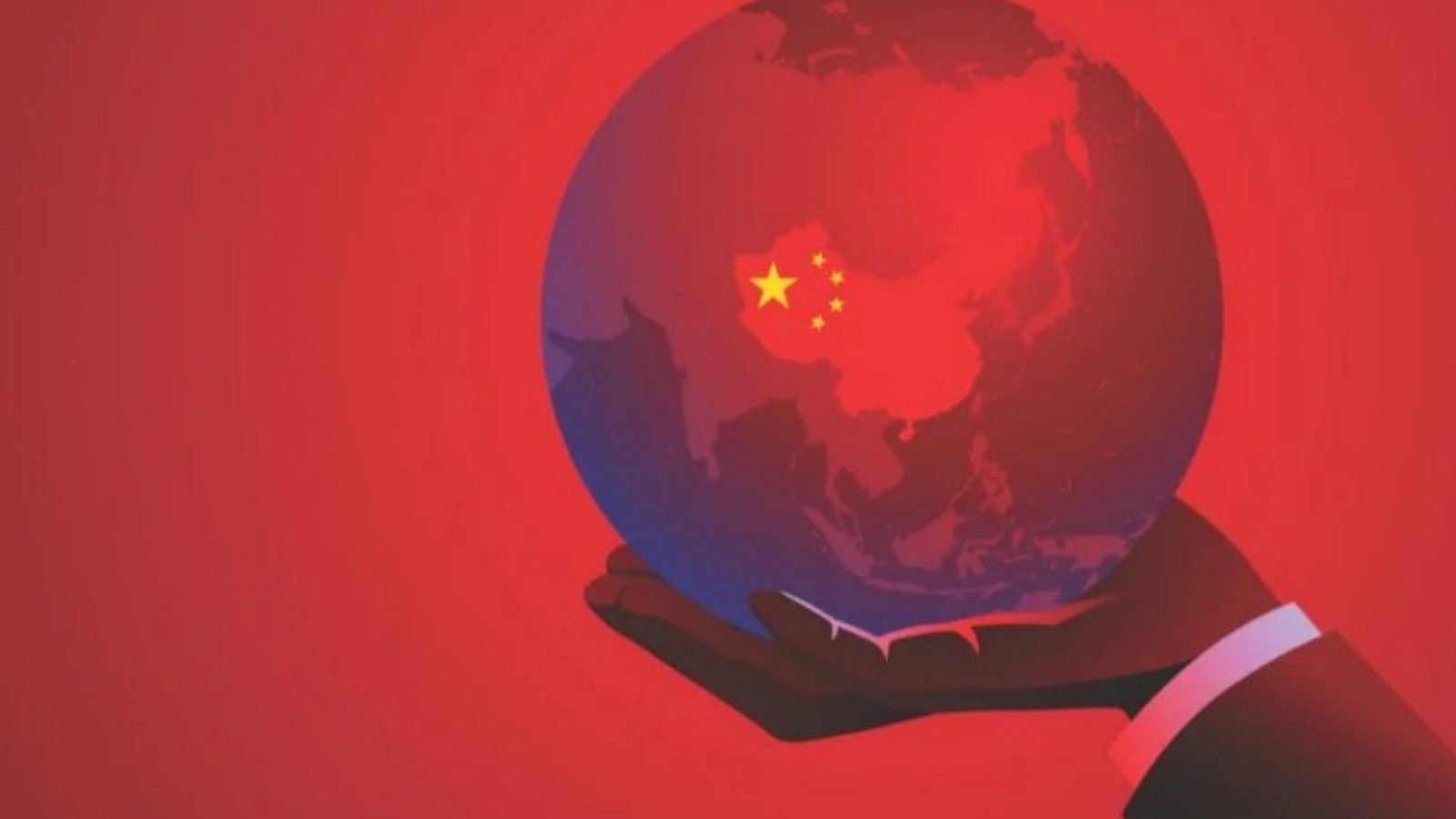
In the article, journalist Aida Haider examines how China’s rise could influence the international order by 2035. Rather than replacing the existing Western-led system, Beijing may gradually reshape international institutions, trade networks and economic relationships to reflect its growing influence.
Jiyang Dong, assistant professor at Nazarbayev University’s Graduate School of Business, said China’s future position would partly depend on US policies and the ability of international institutions such as the World Bank and International Monetary Fund to address the development needs of emerging economies.
If these institutions fail to meet the requirements of the Global South, China-backed organisations such as the Asian Infrastructure Investment Bank could become increasingly influential.
Gulnar Shaimergenova, director of Kazakhstan’s China Studies Center, said Beijing appeared more interested in changing the balance of power within the existing international system than creating an entirely separate global order.
By 2035, she expects a more multipolar world in which China becomes one of the leading centres of economic, technological and political influence.
Amangeldy Tazhenov, deputy chairman of Kazakhstan’s Institute of Foreign Policy Studies, similarly argued that China was seeking to reform existing international structures to reflect changing global power dynamics.
However, Ken Moriyasu, a senior fellow at the Hudson Institute, offered a more assertive assessment, suggesting that under President Xi Jinping, China increasingly seeks to reshape the international order around its own interests.
Moriyasu said Beijing would continue participating in established institutions such as the United Nations while strengthening alternative platforms, including BRICS and the Shanghai Cooperation Organisation.
The analysis suggests that China’s influence may grow not through replacing the existing international order but by gaining greater control over the systems and institutions that shape global economic and political relationships.
Central Asia’s Growing Strategic Importance
Central Asia is expected to become increasingly important in China’s long-term economic and geopolitical strategy. Its significance extends beyond natural resources, energy supplies and consumer markets, offering Beijing vital overland connections across Eurasia.
These routes provide access to western markets while reducing China’s dependence on maritime trade corridors that could be vulnerable to geopolitical tensions and American naval power.
Moriyasu described this approach as strategic resilience, suggesting that Central Asia could move from the economic periphery towards the strategic centre of China’s relationship with Eurasia.
Dong highlighted the region’s potential to become a major connectivity hub but noted that inadequate infrastructure continues to restrict trade and economic development.
Projects such as the expansion of Kazakhstan’s Aktau container hub and the China-Kyrgyzstan-Uzbekistan railway could strengthen regional transport networks and improve trade connections between China, Central Asia and markets farther west.
Infrastructure is also becoming an important instrument of geopolitical influence. Railways, pipelines, electricity networks and supply chains can shape the economic choices of countries that depend on them.
As regional economies become increasingly connected to Chinese transport, energy and technology systems, Beijing could gain greater influence over their commercial relationships and strategic decisions without requiring formal political or military alliances.
Chinese-backed infrastructure projects could also strengthen China’s soft power in Kazakhstan by demonstrating its technological and industrial capabilities through visible investments and practical cooperation.
Technology and Energy to Drive Future Cooperation
China’s engagement with Central Asia is expected to expand beyond traditional infrastructure towards artificial intelligence, digital connectivity, green technologies and critical minerals.
Shaimergenova said the region could become a meeting point for different technological, industrial and regulatory systems as economic connections between China and Europe develop.
This transformation could position Central Asia as more than a transit corridor, creating opportunities for technological cooperation, industrial production and economic development.
Energy cooperation is another area with considerable potential. Dong highlighted opportunities involving solar and wind power, energy storage, flexible electricity grids and nuclear energy.
As regional economies expand and electricity demand increases, partnerships in these sectors could strengthen China’s role in shaping Central Asia’s energy infrastructure and industrial development.
Such cooperation could also help regional countries modernise their energy systems while supporting broader economic growth.
Geopolitical Competition Creates Challenges
Despite the potential economic benefits, experts differ on whether increasing competition between China and Western powers will ultimately benefit Central Asian countries.
Dong believes competition among major powers could create opportunities for Kazakhstan to pursue its national interests by diversifying investment partners, markets and financial institutions.
Shaimergenova, however, warned that intensifying rivalry could make economic, technological and logistical decisions increasingly sensitive from a geopolitical perspective.
Tazhenov argued that escalating competition between major powers would be unfavourable for Kazakhstan because it could restrict the country’s foreign policy flexibility.
These differing assessments highlight a major challenge for Kazakhstan and its neighbours: how to benefit from Chinese investment, infrastructure and technology while maintaining diversified international partnerships and independent decision-making.
China and Central Asia are becoming increasingly interdependent. Beijing needs secure transport routes, energy supplies, natural resources and regional stability, while Central Asian economies seek access to Chinese markets, investment and technology.
However, this growing relationship is not automatically beneficial or harmful. Its long-term impact will depend on whether Central Asian countries can negotiate favourable agreements, diversify their partnerships and strengthen their domestic economic and technological capabilities.
Looking towards 2035, the central question is not simply how much influence China will acquire, but how effectively Central Asian states can shape their own development while becoming more closely connected with Beijing.
The region’s future will depend on its ability to attract investment while developing domestic industries, improving education and skills, modernising energy systems and expanding technological capabilities.
Ultimately, China’s growing influence may be reflected less in a dramatic replacement of the existing global order and more in its increasing role in the interconnected systems governing trade, transport, energy and technology. Central Asia’s ability to shape these connections independently will be crucial in determining its strategic position in the emerging Eurasian landscape.