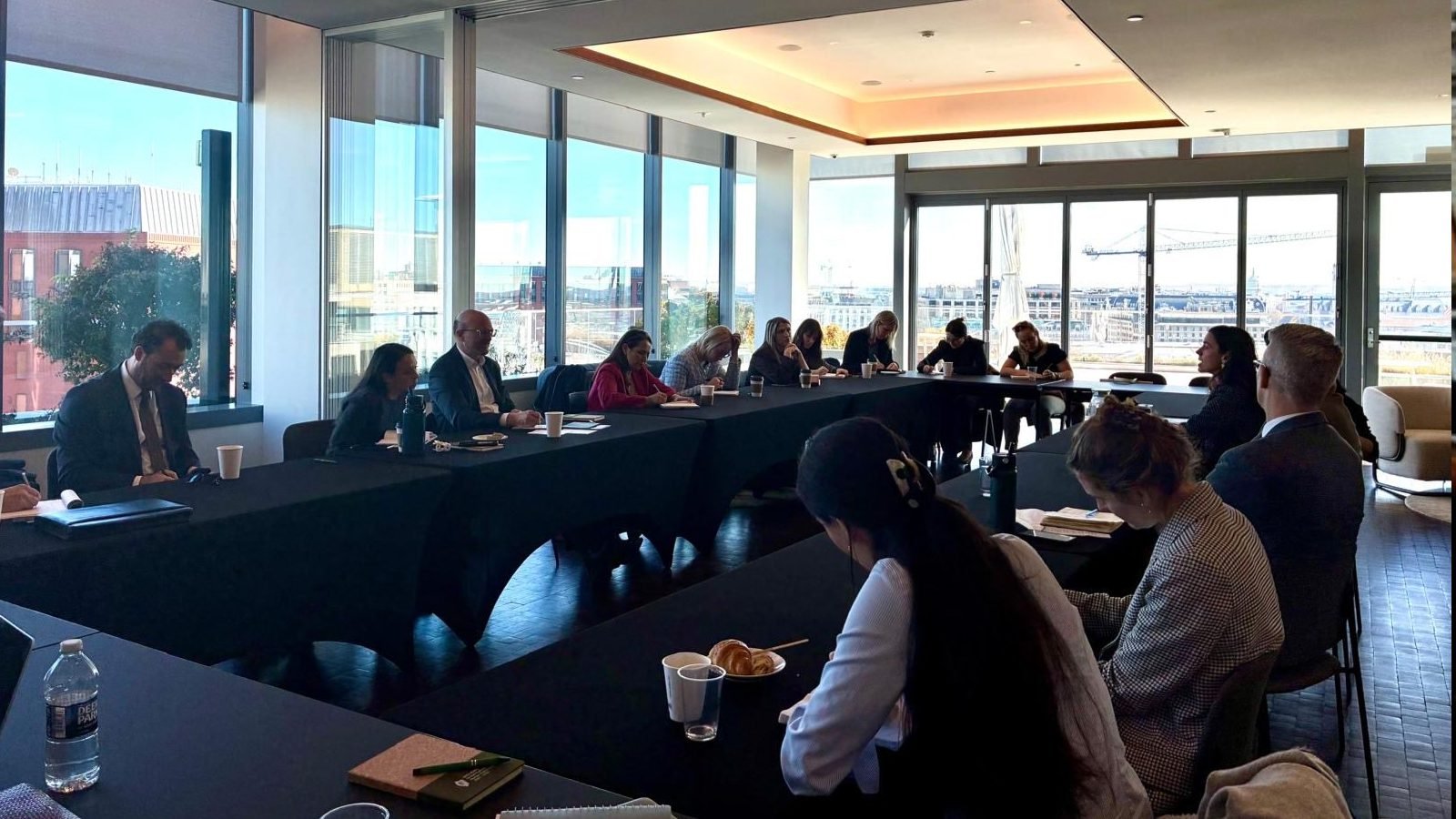
WASHINGTON: Ireland’s Embassy in the United States has hosted a briefing examining the potential human rights policy implications of the US midterm elections, following Ireland’s election to the United Nations Human Rights Council for the 2027–2029 term.
The event brought together representatives and experts from human rights organisations to discuss the relationship between political developments in the United States and the wider human rights landscape.
The embassy thanked speakers A.M. Klasing of Amnesty International, Keifer of Global Equality and Gina Anderson of the American Bar Association (ABA) for sharing their insights during the briefing.
The discussion comes as Ireland prepares to take up its seat on the 47-member UN Human Rights Council on January 1, 2027. The country was elected by the UN General Assembly on October 13, 2026, for a three-year term ending in December 2029.
The council, based in Geneva, is the United Nations’ principal intergovernmental body responsible for promoting and protecting human rights worldwide. Its work includes examining alleged violations, addressing human rights emergencies and reviewing the human rights records of UN member states through the Universal Periodic Review process.
Ireland has identified five priority areas for its forthcoming membership: protecting civil society and human rights defenders; advancing women’s rights and gender equality; defending the rights of LGBTIQ+ people; promoting the right to adequate food; and strengthening attention to the rights of people with disabilities in conflict situations.
The country has also pledged to support the universality of human rights and highlight the impact of violations on young people.
Ireland previously served on the Human Rights Council from 2013 to 2015 and has remained active in its work since the body was established in 2006.
The embassy briefing reflects Ireland’s engagement with human rights issues beyond its borders, including developments in the United States. The midterm elections are particularly significant because changes in the balance of power in Congress can influence legislative priorities, oversight of the executive branch, funding decisions and debates surrounding civil liberties and international policy.
The event also provided an opportunity to hear perspectives from civil society and legal experts as Ireland prepares for its new international responsibilities.
Ireland’s upcoming council membership will place it among the countries responsible for shaping international discussions on human rights, accountability and the protection of vulnerable communities.