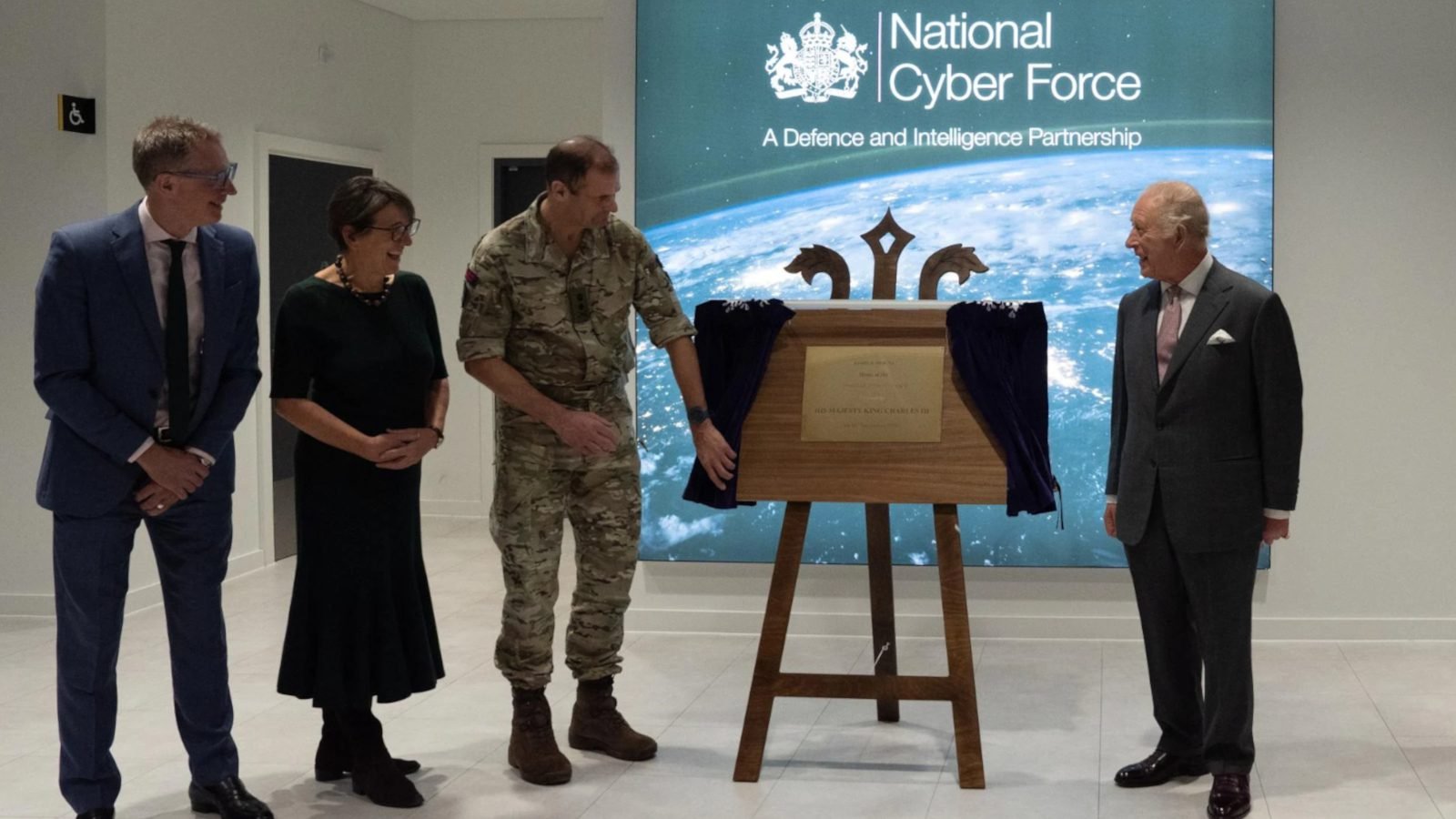
LANCASHIRE: King Charles III has officially opened the National Cyber Force’s (NCF) new headquarters at Ribble House in Samlesbury, Lancashire, marking a significant development in the United Kingdom’s efforts to strengthen its cyber defence capabilities.
His Majesty unveiled a commemorative plaque during the opening ceremony, which highlighted the growing importance of cyber operations in protecting national security and confronting threats from hostile states, terrorists and criminal networks.
The National Cyber Force brings together personnel and expertise from GCHQ, the Ministry of Defence, the Secret Intelligence Service (SIS) and the Defence Science and Technology Laboratory (Dstl). It conducts cyber operations designed to protect and promote British interests at home and abroad.
The organisation’s work includes countering state-sponsored threats, disrupting terrorist activities and targeting child sexual offenders and other criminals operating online.
Operating under strict secrecy, the NCF does not routinely disclose details of its operations, as revealing such information could undermine their effectiveness and allow adversaries to strengthen their cyber defences.
During his visit, King Charles met senior officials and personnel working at the facility, including local recruits and members of the Armed Forces Cyber Direct Entry Scheme. He received briefings on the organisation’s mission, capabilities and efforts to counter threats facing the UK and its allies.
Among those accompanying the King were Anne Keast-Butler, Director of GCHQ, and General Sir Rob Magowan, Commander of Cyber and Specialist Operations Command.
The opening of Ribble House is also expected to support employment, specialist skills development and economic growth across the North West of England.
Ahead of the headquarters becoming operational, the Defence Ministry and its partner organisations invested in regional training and skills initiatives. The Digital and Cyber Bursary, introduced in 2025, now supports 500 students across local colleges, providing opportunities to gain qualifications and develop expertise in digital technology and cyber security.
The initiative is intended to create pathways for young people in Lancashire to enter the growing cyber and defence sectors.
The new headquarters brings together specialist personnel and capabilities as the UK seeks to strengthen its ability to respond to an increasingly complex digital threat environment.