DUBLIN: Ireland’s Jewish community played a significant yet often overlooked role in the country’s struggle for independence, with several prominent members supporting revolutionary leaders, sheltering Irish volunteers and contributing to the fight against British rule.
Writing in The State of Israel, John Costello highlights this lesser-known chapter of Irish history, recalling how members of Dublin’s Jewish community reportedly helped revolutionary leader Michael Collins evade British forces during the War of Independence in 1920.
The incident took place in Dublin’s Portobello neighbourhood, popularly known as ‘Little Jerusalem’ because of its thriving Jewish population. According to Costello’s account, the notorious Black and Tans had established several roadblocks while searching for Collins, believing they had cornered the revolutionary leader.
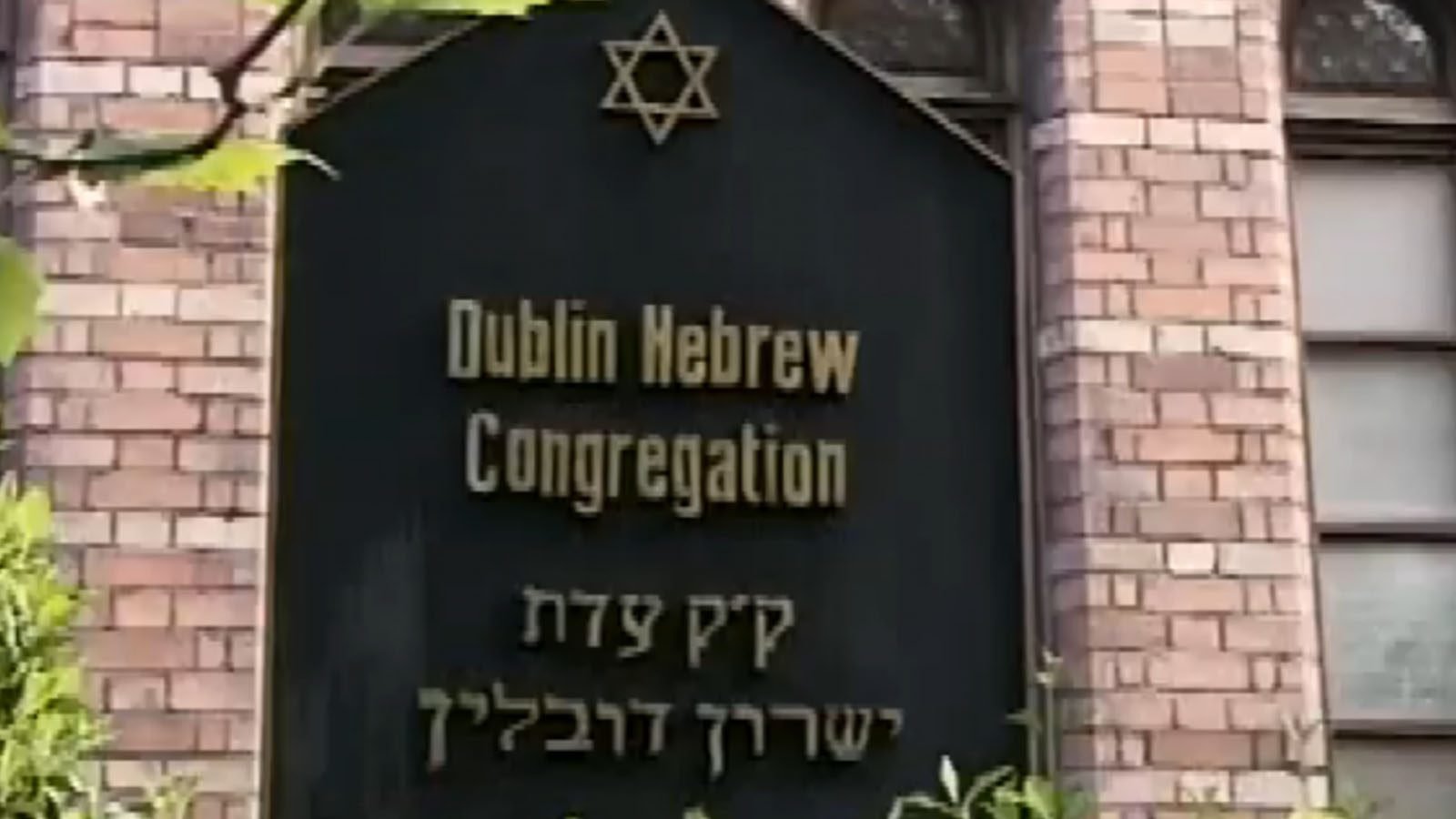
Collins initially took refuge at the home of Joseph Kervon, a member of the Dublin Hebrew Congregation. He subsequently climbed over a wall into the garden of Reverend Gudansky, where arrangements were made to disguise him as an elderly Jewish man wearing traditional clothing.
As residents made their way towards the Adelaide Road Synagogue, Collins reportedly joined the group to pass through a British checkpoint unnoticed.
When challenged by the Black and Tans, Collins allegedly responded in what the British forces mistook for Yiddish, allowing him to pass alongside the Jewish residents.
The episode, as described by Costello, illustrates the solidarity extended by members of Dublin’s Jewish community to Ireland’s independence movement during a critical period in the country’s history.
Jewish figures who helped shape Ireland’s independence
Despite its relatively small population, Ireland’s Jewish community produced several influential figures who contributed to the country’s independence struggle and subsequent political development.
Among them was Robert Briscoe, who reportedly smuggled weapons for Michael Collins and the Irish Republican Army. He later became Ireland’s first Jewish TD and went on to serve as Lord Mayor of Dublin.
Estella Solomons played an important role in the revolutionary network by providing shelter to volunteers and concealing weapons. Costello recounts that she once hid weapons beneath vegetables collected for Passover celebrations.
Michael Noyk, a prominent solicitor, defended IRA prisoners and worked closely with revolutionary leaders Arthur Griffith and Michael Collins.
Another notable figure was Chief Rabbi Isaac Herzog, who became known to British authorities as the ‘Sinn Féin Rabbi’ because of his support for Irish independence. Fluent in Irish, Herzog maintained close relationships with Briscoe and Éamon de Valera, who later became Taoiseach.
Costello notes that Ireland’s Jewish population peaked at just under 4,000 in the 1949 census, making the contributions of these individuals particularly significant in the country’s historical narrative.
Jewish contribution during the Great Famine
The article also highlights the contribution of Jewish philanthropists during Ireland’s Great Famine of 1845–1852, particularly the role of British politician and financier Lionel de Rothschild.
According to Costello, de Rothschild helped privately raise £600,000 in humanitarian relief during the famine of 1847. The author estimates the contribution would be worth approximately $20 million today.
Costello compares this relatively little-known effort with the widely celebrated contribution of the Choctaw Nation, which sent approximately $170 from America to support famine victims.
While the Choctaw donation remains an enduring symbol of international solidarity in Ireland, the author argues that Lionel de Rothschild’s reported contribution has received considerably less public recognition.
Concerns over antisemitism in contemporary Ireland
Moving from historical contributions to present-day developments, Costello raises concerns about what he describes as growing antisemitism in Ireland, arguing that hostility towards Israel has, in some instances, extended to the country’s Jewish population.
He contends that criticism of Israeli government policies has increasingly become entangled with prejudice against Jewish people, creating difficulties for Jewish families and communities.
Maurice Cohen of the Jewish Representative Council of Ireland is quoted expressing concern about the experiences of Jewish children in schools.
“Young Jewish children come home from school crying because they’ve been called ‘baby killers’,” Cohen said, describing the challenges facing Jewish families.
He added that it felt as though people had been given permission to express hatred towards Jews openly.
Costello also criticises the Irish Government’s response to antisemitism, arguing that insufficient attention has been paid to anti-Jewish sentiment in political, educational and media environments.
The article raises broader questions about the distinction between criticism of Israeli government policies and antisemitism, particularly amid heightened tensions surrounding the Israel-Palestine conflict.
Remembering a forgotten chapter of Irish history
Costello argues that Ireland’s Jewish community deserves greater recognition for its contributions to the country’s history, particularly during the independence movement and the Great Famine.
From reportedly helping Michael Collins evade British forces to supporting revolutionary activists and contributing to humanitarian relief, Jewish individuals played a role in several defining periods of Irish history.
The author believes that recognising this legacy is particularly important amid contemporary concerns about antisemitism and the treatment of Jewish communities.
The historical account serves as a reminder of the contributions made by minority communities to Ireland’s national development and the importance of preserving a history that reflects solidarity across religious and cultural boundaries.