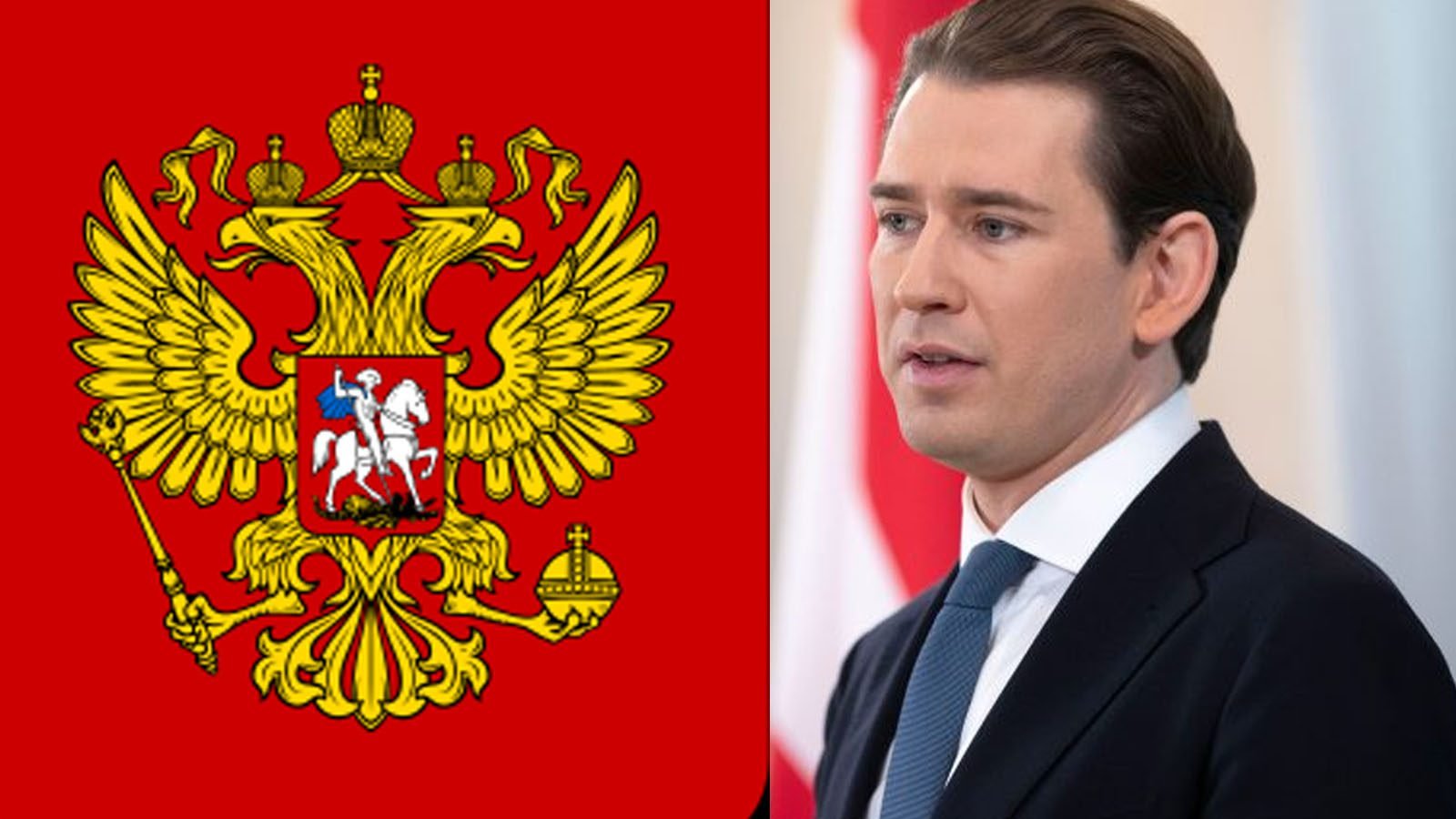
A fugitive Russian-linked intelligence operative claimed he helped bring down former Austrian Chancellor Sebastian Kurz through an operation involving the seizure of a mobile phone containing evidence of alleged corruption, according to an exclusive investigation by The Daily Telegraph.
Jan Marsalek, the former Wirecard executive wanted over the collapse of the German financial technology company, reportedly told his associate and alleged spy network leader Orlin Roussev that they had “successfully toppled” Kurz, who resigned in October 2021 amid corruption allegations.
The claims emerged from secret Austrian police investigation files examined by The Telegraph, which obtained messages exchanged between Marsalek and Roussev. The communications are part of an investigation into alleged support for a foreign intelligence service and interference in Austrian politics.
In messages dated October 22, 2021, Marsalek, using the alias “Rupert Ticz”, discussed a man who had allegedly worked for his network but was then facing what he described as a witch hunt by the former chancellor’s team.
He subsequently claimed that they had successfully brought down Kurz by confiscating the mobile phone of an individual responsible for managing the former chancellor’s alleged secret campaign financing.
Marsalek also shared a news report concerning the corruption allegations against Kurz and the seized device, which belonged to Thomas Schmid, a former senior Austrian finance ministry official and one of the chancellor’s closest associates.
Schmid’s phone had been seized by Austrian investigators in November 2019. Messages and other communications recovered from the device later became significant evidence in several corruption investigations.
In October 2021, Austrian prosecutors conducted searches involving Kurz’s government, the federal chancellery, the finance ministry and the headquarters of his Austrian People’s Party (ÖVP). Investigators were examining allegations that public money had been used to finance politically favourable opinion polls and media coverage.
The investigation placed mounting pressure on Kurz, who announced his resignation as chancellor on October 9, 2021.
Two weeks later, Marsalek reportedly told Roussev that the affair had become a “quite a messy story”. In another message, he referred to the political consequences of the recovered communications, saying that the remaining chats had “killed” the chancellor.
However, the documents contain no independent evidence establishing that Marsalek organised the seizure of Schmid’s phone or directly influenced the investigation that led to Kurz’s resignation.
Investigators nevertheless interpreted the messages as an admission by Marsalek that he had been involved in an operation connected to the phone’s confiscation. They also acknowledged that it remained unclear whether his reference to an individual who had worked “for us” concerned Wirecard or a Russian intelligence service.
The investigation remains ongoing, and Kurz declined to comment on the messages or the investigators’ assessment.
The revelations have raised questions about possible Russian interference in the political affairs of an EU member state. If Marsalek’s claims are substantiated, they could point to direct involvement by Russian intelligence-linked operatives in influencing Austria’s political leadership.
Marsalek, who has been wanted by European authorities since the collapse of Wirecard in 2020, is accused of fraud and is being investigated for espionage in several European countries. British prosecutors have linked him to extensive intelligence-gathering activities on behalf of Moscow, particularly Russia’s Federal Security Service (FSB).
His communications with Roussev were recovered from electronic devices seized by British police when they arrested the Bulgarian national in February 2023. Roussev was subsequently convicted of espionage and sentenced to 10 years and eight months in prison. Authorities said he had taken instructions directly from Marsalek.
The espionage network was involved in surveillance operations targeting Kremlin critics and investigative journalists, while its members also discussed potential kidnappings and disinformation campaigns.
The network’s activities extended beyond Britain. Austrian investigators have been examining whether individuals within the country’s former domestic intelligence service supplied sensitive information to Marsalek and, consequently, Russian intelligence agencies.
The Telegraph has also previously reported that three mobile phones belonging to senior Austrian interior ministry officials eventually reached individuals associated with Marsalek in Russia. Those devices were separate from Schmid’s phone, and investigators have not established a connection between the two incidents.
British and European security experts have warned that the latest revelations highlight the potential reach of Russian intelligence operations across the continent.
Former Conservative Party leader Sir Iain Duncan Smith described the findings as evidence of Moscow’s growing boldness, arguing that Russia increasingly believed European governments were reluctant or unable to respond effectively.
Labour MP Graeme Downie, a member of the British Parliament’s Defence Select Committee, also described the revelations as worrying, saying Russian President Vladimir Putin’s strategic objective was to weaken cooperation among democratic countries.
Security experts, however, have urged caution over Marsalek’s account. Ed Arnold, a senior associate fellow at the Royal United Services Institute (RUSI), suggested that the fugitive businessman might have exaggerated his involvement to enhance his reputation within intelligence circles.
Austria’s Interior Ministry declined to comment on the ongoing investigation, saying it did not disclose information concerning specific individuals or active criminal proceedings.
The investigation into Marsalek’s alleged involvement in political interference remains ongoing, and no independent evidence has yet established that he orchestrated the seizure of Schmid’s phone or caused Kurz’s resignation.