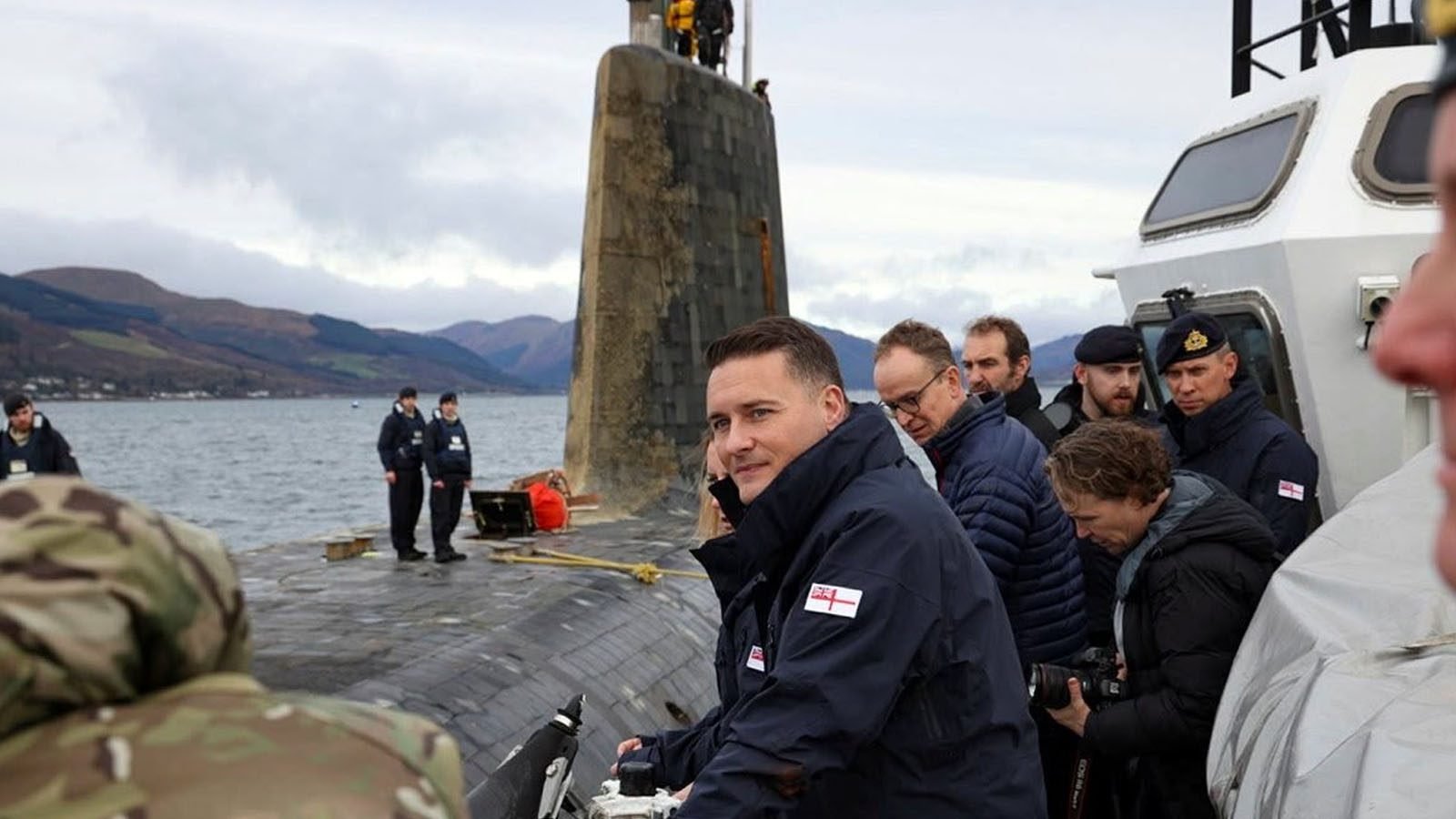
Streeting welcomed the submariners and spent time with their families at HM Naval Base Clyde, describing the experience as humbling and acknowledging the sacrifices made by personnel and their relatives during the extended deployment.
In his statement, Streeting said the crew had made an exceptional contribution to Britain’s national security, adding that their families also deserved recognition for supporting them through long periods of separation.
HMS Vengeance’s deployment lasted 217 days, making it the longest known patrol by a British nuclear deterrent submarine. Around 140 crew members served aboard the vessel during the mission, remaining submerged for more than seven months.
The operation forms part of Britain’s Continuous At-Sea Deterrent, known as Operation Relentless, under which at least one nuclear-powered ballistic missile submarine remains at sea at all times. The policy has been maintained for more than 57 years and is designed to ensure that Britain’s nuclear deterrent remains available to discourage potential adversaries.
Streeting described the nuclear deterrent as the cornerstone of Britain’s national security and reaffirmed London’s commitment to NATO, saying the country’s nuclear capabilities also contribute to the protection of its allies.
The Defence Secretary also highlighted the government’s commitment of £63.6 billion over four years to the Defence Nuclear Enterprise. The investment is intended to maintain Britain’s nuclear capabilities, support highly skilled employment and strengthen the infrastructure required to operate its submarine fleet. The Ministry of Defence says the wider enterprise supports more than 47,000 skilled jobs and involves a supply chain of over 6,000 UK-based companies.
Britain’s four Vanguard-class submarines currently maintain the country’s nuclear deterrent patrols. Although the vessels have continued serving beyond their originally intended operational lifespan, they are expected to be replaced by the next-generation Dreadnought-class submarines, which are being developed to sustain the UK’s nuclear deterrent in the coming decades.