DUBLIN: Sinn Féin has challenged the Government to formally reject a proposed European Union digital services levy, warning that Ireland’s control over its taxation policy must not be weakened during negotiations on the bloc’s next long-term budget.
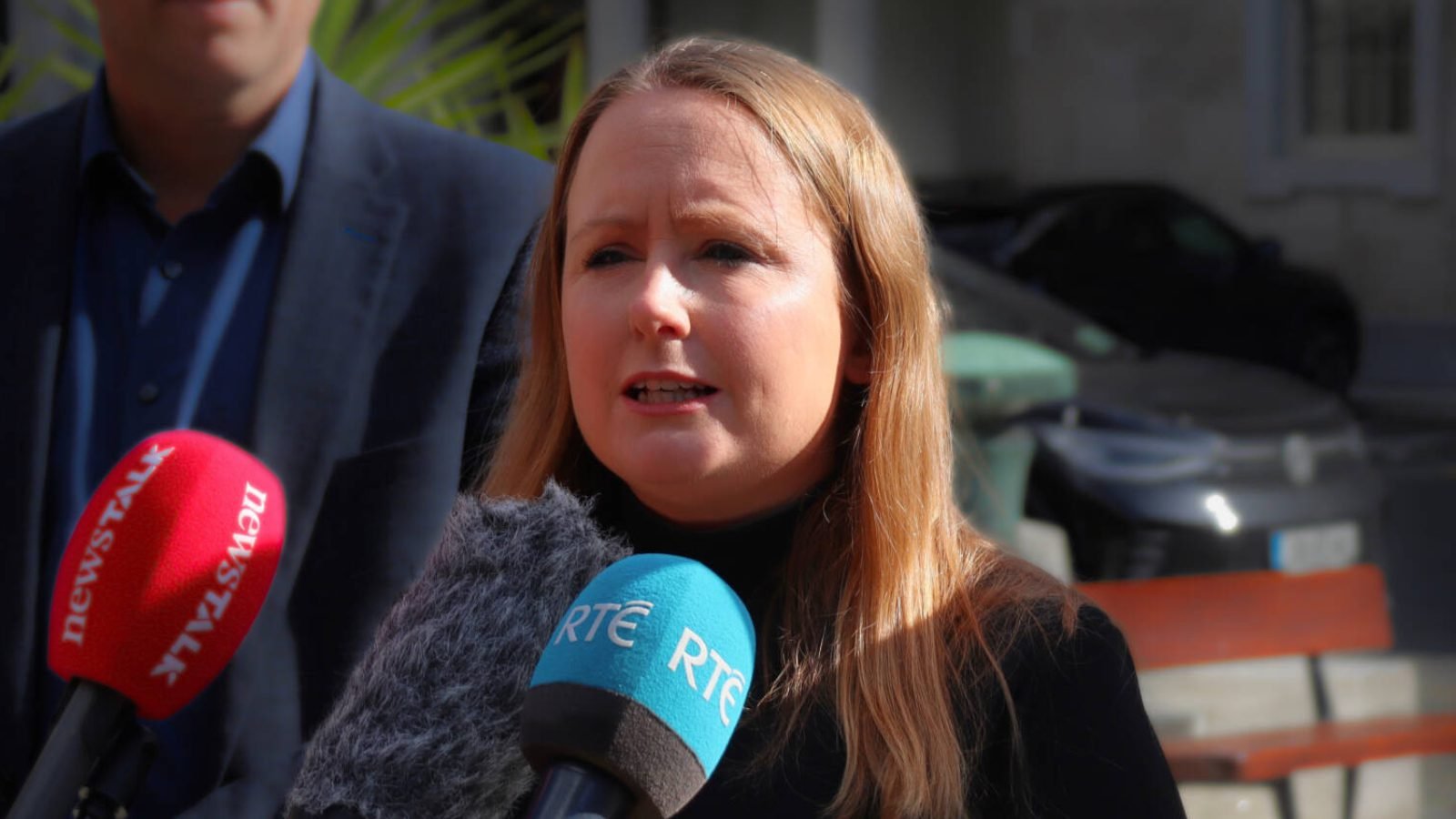
The party’s spokesperson on Public Expenditure and Reform, Mairéad Farrell TD, said Taoiseach Micheál Martin’s public opposition to the proposal must be backed by a clear commitment from the Government during negotiations in Brussels.
Her comments follow Martin’s statement that Ireland would not support an EU-wide digital tax, arguing that international taxation should be addressed through global agreements rather than unilateral European action.
The proposal, advanced by European Council President António Costa as part of discussions on the EU’s 2028–2034 budget, envisages a 3 per cent levy on certain digital revenues, including online advertising, digital marketplaces and the commercial use of user data.
It would apply to companies with global annual turnover exceeding €750 million and EU digital revenues above €50 million. The measure is intended to provide an additional source of revenue for the European budget.
Farrell argued that opposing the proposal on competitiveness grounds was not sufficient, insisting that the Government should explicitly rule out supporting any EU arrangement that would expand the bloc’s tax-raising powers.
She said Ireland should retain control over decisions concerning its taxation system and called on the Taoiseach to make the country’s position clear during negotiations.
The Galway West TD also referred to the Apple tax controversy, arguing that the Government’s handling of the case had damaged Ireland’s credibility and made consistency in defending national tax policy particularly important.
Farrell said multinational corporations should pay their fair share and supported international cooperation to combat tax avoidance and evasion. However, she argued that such efforts should take place through the United Nations Framework Convention on International Tax Cooperation rather than through a transfer of taxation powers to EU institutions.
Ireland’s position reflects concerns about the potential impact of an EU-wide levy on investment, multinational companies and the country’s tax revenues.
Martin has warned that introducing a European digital tax unilaterally could undermine the bloc’s competitiveness and create tensions with the United States. He has argued that global taxation requires a global solution, pointing to the OECD’s international tax framework.
The proposal has also exposed differences among EU member states. France has supported a European digital levy, while Ireland and several other countries remain cautious about creating new EU-level revenue sources.
Any EU-wide digital services tax would face significant legal and political hurdles, as taxation measures of this nature require unanimous agreement among member states.
Farrell said the Taoiseach must now move beyond public statements and establish a firm negotiating position, calling on the Government to reject the levy and defend Ireland’s national tax sovereignty.